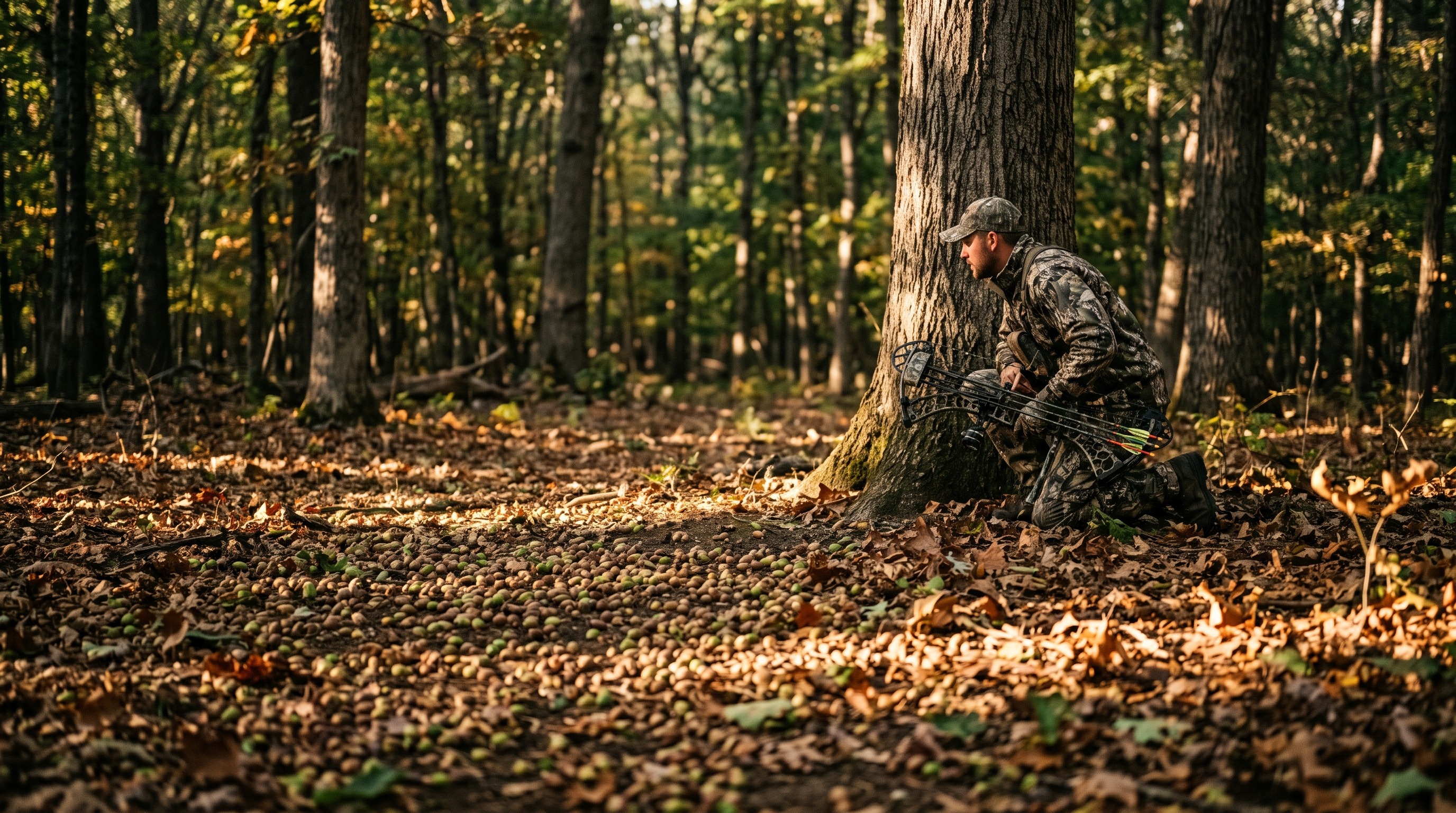
Elk Game Bags & Meat Care
An elk yields 200+ pounds of boneless meat. Without proper game bags and a cooling plan you can ruin it in 24 hours…
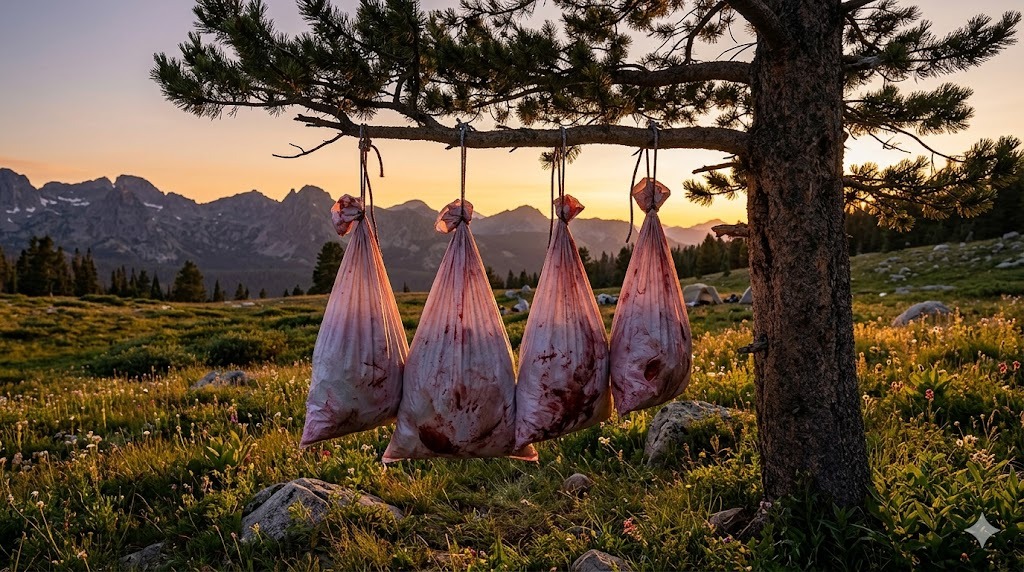
An adult bull elk yields roughly 200-250 pounds of boneless meat. That’s a season’s worth of red meat for a family, but only if you take care of it from the moment the animal hits the ground. The biggest threat isn’t predators or warm weather - it’s hide-trapped heat, poor airflow, and flies. Quality game bags solve the airflow and fly problem; the rest is technique. This guide walks through bag selection, boning out, cooling, and hauling for backcountry elk.
Why Game Bags Matter
A whole elk hindquarter weighs 60-80 pounds. Wrapped in plastic, that meat traps heat for 24+ hours and turns sour. Hung in a quality breathable game bag, it cools to ambient temperature in 6-12 hours and forms a protective rind that flies can’t penetrate.
A proper game bag must:
- Breathe - allow heat and moisture out
- Block flies completely
- Withstand abuse - bears, rocks, packing
- Be reusable for years if washed
Game Bag Options Compared
Synthetic mesh (Allen, Caribou Gear, Caribou Gear’s Wapiti, Argali, Kifaru) - Fine-mesh synthetics that block flies, breathe well, dry fast, and weigh under 1 lb per quarter bag. The current standard for serious backcountry hunters. A four-bag elk set runs $80-120.
Cotton muslin (T.A.G. Bags, Kuiu Game Bags) - Traditional, breathable, heavy when wet, and harder to clean. Cheaper option but inferior to modern synthetics.
Cheesecloth - Walmart cheesecloth wrapped around a quarter is better than plastic but tears easily and doesn’t fully block bottle flies.
Argali, Caribou Gear, Wapiti, T.A.G., Allen, and Kifaru all sell quality elk-sized bag sets. Buy bags rated for “elk” - deer bags are too small.
Field Process: Quarter or Bone Out?
For elk in the backcountry, the answer is almost always gutless method, bone out. A boned-out elk loses 30-40% of its weight compared to bone-in quarters. That’s the difference between two pack trips and four.
The basic gutless boning sequence:
- Hoist or roll the animal onto its side
- Skin one side from spine to belly, peeling hide back
- Remove front shoulder at the scapula - no joint to cut, just connective tissue
- Remove backstrap along the spine, neck to hip
- Remove tenderloin from inside the rib cage if exposed
- Bone out hindquarter - separate at the ball joint, work meat off the femur
- Take neck meat, rib meat, brisket - every scrap matters
- Flip and repeat the other side
- Cape and skull if you want a mount
Each section goes into its own game bag, labeled if you care. Hang bags on tree limbs in shade with airflow while you process the other side.
Cooling Is Non-Negotiable
Meat must cool below 40°F internal temperature within 24 hours, ideally faster. Once the internal temp passes 70°F for extended periods, bacteria multiply and the meat sours. In cool fall weather (40s and 50s), shaded hanging gets you there. In warm weather, you have to work harder.
Cooling techniques:
- Spread the bags wide - never stack until cool
- Hang in shade with cross-breeze
- North-facing slopes stay cooler than south-facing
- Stream cooling - submerge bagged quarters in a cold stream for 30 minutes (bags float, weigh down corners)
- Snow cooling in shoulder seasons - bury in snow if available
- Pepper the meat lightly to deter flies and bees during processing
In hot weather, you may need to debone and pack everything to a cooler within 12 hours. If outside temps stay above 60°F day and night, consider whether you should be hunting elk at all that week.
Pack Out Strategy
A bull elk requires 2-4 pack trips for one hunter, depending on distance and load capacity. Run the numbers ahead of time with our meat yield calculator, then plan accordingly:
Trip 1: Backstraps, tenderloins, neck, rib meat, cape, antlers (the highest-value, most-spoilage-prone meat first)
Trip 2 and 3: Hindquarters (one or split between trips)
Trip 4 if needed: Front shoulders
Common load weights for a fit adult:
- Hindquarter (boned): 50-70 lbs per side
- Front shoulder (boned): 30-40 lbs each
- Backstrap + tenderloin + scraps: 30-40 lbs
- Cape and skull: 30-60 lbs
A 250 lb meat haul split into 4 trips at 60 lbs per trip is a hard but achievable solo effort. Hire a packer or call friends if it’s beyond you.
Cooler Strategy at the Truck
Once meat reaches the truck:
- Drop quarters into clean cotton bags or fresh game bags (replace bags coated in blood/debris)
- Layer with bags of ice - ice goes against the meat in heavy bags
- Heavy coolers (Yeti, RTIC, Pelican) maintain ice for 5-7 days
- Drain meltwater daily to avoid waterlogged meat
- Drive home cool and refrigerate or process within 7 days
For long hauls, plan a stop at a meat processor on the way home if you can’t process yourself within a week.
Aging Elk Meat
Wild elk benefits from 7-14 days of aging at 34-38°F, hanging on a single piece in a clean fridge or commercial walk-in. Aging tenderizes muscle and concentrates flavor. Without a walk-in, your best option is a commercial processor; coolers with ice can’t hold tight temp control for that long.
FAQ
Can I leave the hide on for the pack out? Yes, but it adds 30+ lbs per quarter and traps heat. Boning out is faster, lighter, and cooler.
Do I need to pack out the skull and antlers? Only the antlers are required in most states (proof of sex/legality), but you can take both. Check regulations.
What about bears on a meat cache? Cache meat 100+ yards from camp, hung 10+ feet up if possible. Use a bear-proof container or hang at distance from your sleeping area. In grizzly country, never cache near camp.
Are reusable game bags worth the cost? A quality $25 elk bag, washed cold after each use, lasts 10+ seasons. Cost per use is pennies.
How long can I leave meat hung overnight? In 40°F or cooler weather, indefinitely (within reason - multiple days). Above 50°F, get it on ice as soon as practical.
Conclusion
Buy a real elk-sized synthetic game bag set, learn the gutless boning method before you need it, and plan your cooling and pack-out - our pack-out checklist helps - before you pull the trigger. The shot is the easy part of elk hunting - taking care of the meat is what separates hunters who fill their freezer from hunters who fill their freezer with spoiled scrap.
🛒 Recommended Gear on Amazon
- Elk game bag set - browse current options and reviews on Amazon.
- 550 paracord - browse current options and reviews on Amazon.
- External frame pack - browse current options and reviews on Amazon.
As an Amazon Associate, we earn from qualifying purchases - at no extra cost to you. This helps us keep producing free, in-depth guides.