Red Fox
The red fox is the classic predator and furbearer of the North American hunter's imagination - sharp, wary, and beautiful in its prime winter coat.
🗓️ Last reviewed: July 2026
Overview
The red fox is the classic predator and furbearer of the North American hunter's imagination - sharp, wary, and beautiful in its prime winter coat. Hunting red fox is above all a game of calling and outsmarting an animal built to detect danger. With keen eyes, an exceptional nose, and endless caution, the red fox punishes careless setups and rewards the hunter who respects the wind and stays hidden. For those drawn to predator hunting, the red fox offers a demanding, skill-driven pursuit and, where legal, a valuable pelt.
Identification & Appearance
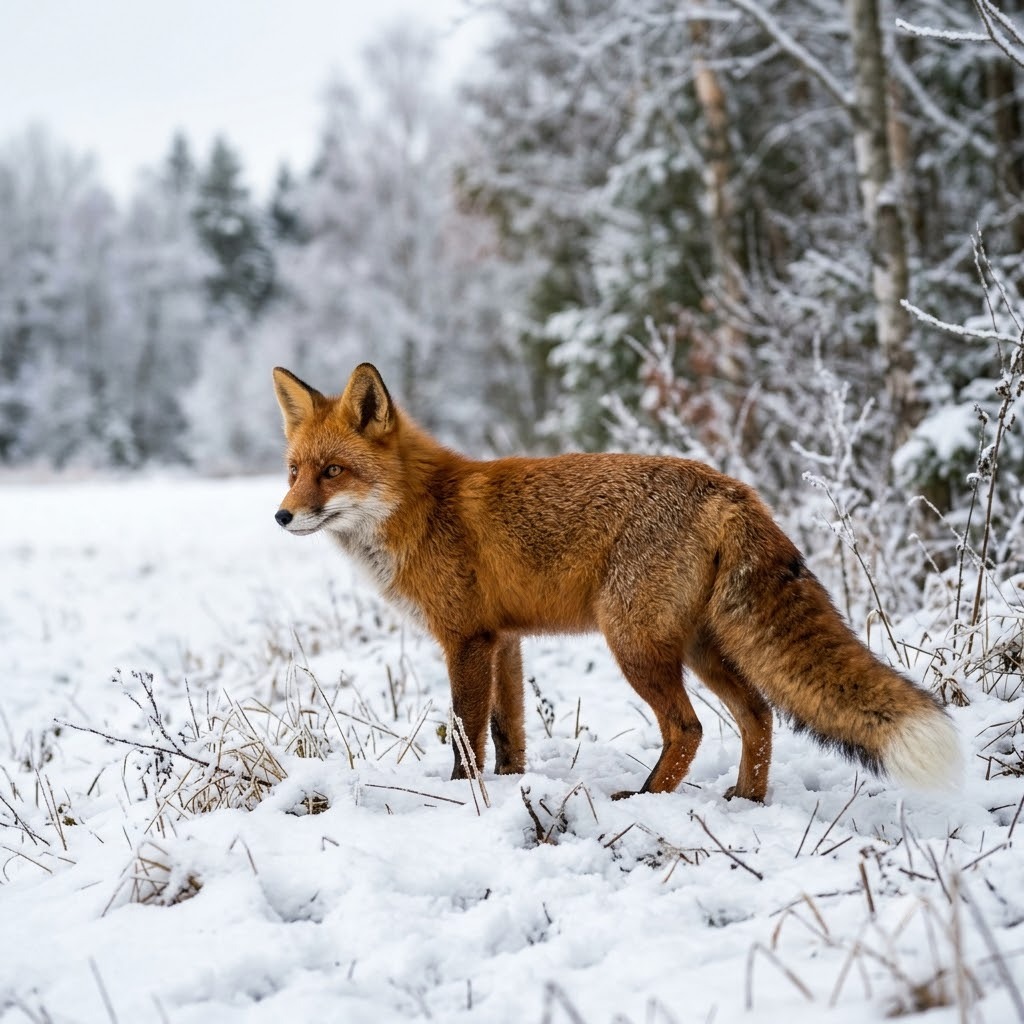
The red fox is a slender, dog-like animal weighing roughly eight to fifteen pounds, appearing larger because of its thick fur. It is best known for its rusty-red coat, black "stockings" on the lower legs, black-backed ears, and a long, bushy tail tipped in white. Color varies, and some individuals show darker or silvery phases, but the white tail tip is a reliable clue. It is noticeably larger and lankier than a gray fox, with an upright, alert posture. The prime winter coat, dense and full, is the reason many hunters target this species in cold months.
Range & Habitat (US)
Red fox range across most of the United States, thriving in a wide mix of habitats from farmland and open country to forest edges, brushland, and even suburban fringes. They favor a patchwork landscape - fields, hedgerows, woodlots, and brushy draws - where prey is abundant and cover is close. Open terrain suits their habit of hunting rodents and rabbits in the open, while nearby edges and cover give them travel routes and denning sites. This adaptability makes the red fox one of the most widespread predators a hunter can pursue.
Behavior & Sign
Red fox are most active at dawn, dusk, and through the night, hunting small mammals, birds, and carrion, and caching surplus food. They are intensely alert, relying on superb hearing, sight, and smell to detect threats from a long way off. Useful sign includes small, dog-like tracks in a nearly straight, purposeful line, twisted droppings often left on raised objects, and dens in banks or brushy cover. Trails through snow, hair on fence crossings, and the remains of caught prey all mark red fox country and help a hunter plan a stand.
Hunting Seasons & Timing
Red fox seasons vary widely by state, with many opening in fall and running through winter to coincide with prime fur. Winter is the classic time to hunt, when pelts are at their best and hungry foxes respond most eagerly to calls. Cold, calm mornings and evenings, and moonlit or overcast nights where night hunting is legal, tend to be productive. Some states allow year-round or extended predator seasons. Always confirm your state's exact dates, legal hours, night-hunting and light rules, and any method restrictions before you hunt.
Hunting Methods
The signature method is calling. Hunters use distress sounds - a wounded rabbit or rodent squeal - or fox vocalizations to draw a hungry or curious fox into range, often paired with a small motion decoy to hold its attention. Setups are short, typically ten to thirty minutes, before moving to a fresh stand. Concealment and wind are everything: set up with the wind in your favor, break your outline, and stay motionless. Some hunters also still-hunt or wait over known travel routes and food sources. Patience, stealth, and reading the wind define success.
Where to Find Them - Reading the Terrain
Look for red fox where open feeding ground meets cover: field edges, fencerows, brushy draws, and the borders of woodlots. Rodent-rich pastures, weedy fields, and areas near abundant rabbits draw hunting foxes. When choosing a calling stand, pick a spot with a good downwind view, since a circling fox almost always tries to get downwind before committing. Set up so approaching animals must cross open ground within range before they reach your scent. Travel corridors, ridgelines, and the edges of cover are prime places to intercept a moving fox.
Gear & Optics Needed
Predator hunting rewards good calls and good concealment. Carry a hand call or an electronic caller with distress and fox sounds, and consider a small decoy for motion. Full camouflage suited to the season, including face and hands, defeats the fox's sharp eyes. Quality binoculars help you spot a distant fox slipping through cover, and where night hunting is legal, a legal light or thermal or night-vision device becomes essential. A comfortable seat or pad, a rifle or shotgun appropriate to your range, and a shooting rest round out a practical kit.
Shot Placement & Field-Dressing / Cleaning
Red fox are typically taken with a rifle at moderate range or a shotgun up close, and for a clean harvest the aiming point is the vital chest area behind the shoulder or, at close range, the head and neck. If saving the pelt, hunters often prefer shot placement and loads that minimize hide damage. Handle harvested foxes with care - wear gloves during field dressing and skinning, since foxes can carry rabies and other diseases and parasites. Cool and clean the animal, and prime pelts are fleshed, stretched, and dried. Wash hands and tools thoroughly afterward.
Fur Handling & Health Note
The red fox is a valued furbearer, and its prime winter pelt is the reason many hunters pursue it in cold months. To preserve fur value, avoid excessive hide damage, then skin, flesh, and dry the pelt promptly and properly, keeping it cool and clean until handled. On the health side, foxes can carry rabies, mange, and internal parasites. Always wear gloves when field dressing or skinning, avoid contact with any animal that behaved abnormally, do not handle a fox that seemed sick, and wash hands, knives, and clothing thoroughly. Report any suspected rabid animal to wildlife authorities.
Common Mistakes
The most common mistake is ignoring the wind. A red fox will circle downwind, and if it catches your scent the hunt is over before you see it. Setting up without a clear downwind view lets foxes bust you unseen. Calling too loudly or too long, moving at the wrong moment, and leaving skylines behind you all get a sharp-eyed fox to hang up or flee. Sitting too long on a dead stand wastes daylight - keep stands short and move. Finally, skipping gloves and proper handling risks disease with a species that can carry rabies.
Regulations & Conservation Note
Red fox are common and widespread, and regulated hunting is part of sound predator and furbearer management. Rules vary greatly by state, so always carry required licenses, follow seasons and bag or possession limits, and confirm what is legal for night hunting, lights, calls, and firearms in your area. Practice fair chase, respect private land, and make clean, ethical shots. Use or properly handle harvested animals rather than wasting them, and follow local rules on fur sale and tagging. Responsible predator hunters help balance local wildlife and support broader conservation.
Best Suited For
Red fox hunting suits patient, detail-oriented hunters who enjoy calling, reading the wind, and outwitting a genuinely clever animal. It rewards stealth, marksmanship, and careful stand selection more than covering big ground, and it fits well into cold-weather days when other seasons have closed. It is a strong choice for hunters interested in predator management and, where legal, in handling their own fur. Careful, ethical handling of harvested animals is part of doing it well.
FAQ
Do I need a dog to hunt red fox? No. Most red fox hunting in the United States is done by calling and shooting from a concealed stand. Some traditions use hounds, but for the typical predator hunter a good caller, the right wind, and solid concealment matter far more than a dog.
Why does the wind matter so much? A red fox has an outstanding nose and almost always tries to circle downwind before committing to a call. If it catches your scent, it will vanish. Setting up with the wind in your favor and a clear downwind view is the single biggest key to success.
Is it safe to handle a fox I harvest? Handle it carefully. Foxes can carry rabies, mange, and parasites. Always wear gloves when field dressing or skinning, never handle an animal that looked or acted sick, and wash your hands, tools, and clothing thoroughly afterward. Report any suspected rabid animal.
When is the best time to hunt red fox? Winter is the classic season. Fur is prime, foxes are hungry and respond well to distress calls, and cold, calm conditions are ideal. Dawn, dusk, and, where night hunting is legal, night hours are the most productive times.
What calls work best? Prey-distress sounds, such as a wounded rabbit or rodent squeal, are the standard, and fox vocalizations can also draw a response. Keep calling sequences fairly short and not too loud, and be ready, since a red fox can appear quickly and quietly.