How to Trap Mink
The mink is a slim, restless water weasel with a fine, valuable pelt, taken with a single well-placed pocket set - a rewarding step up for the intermediate trapper.
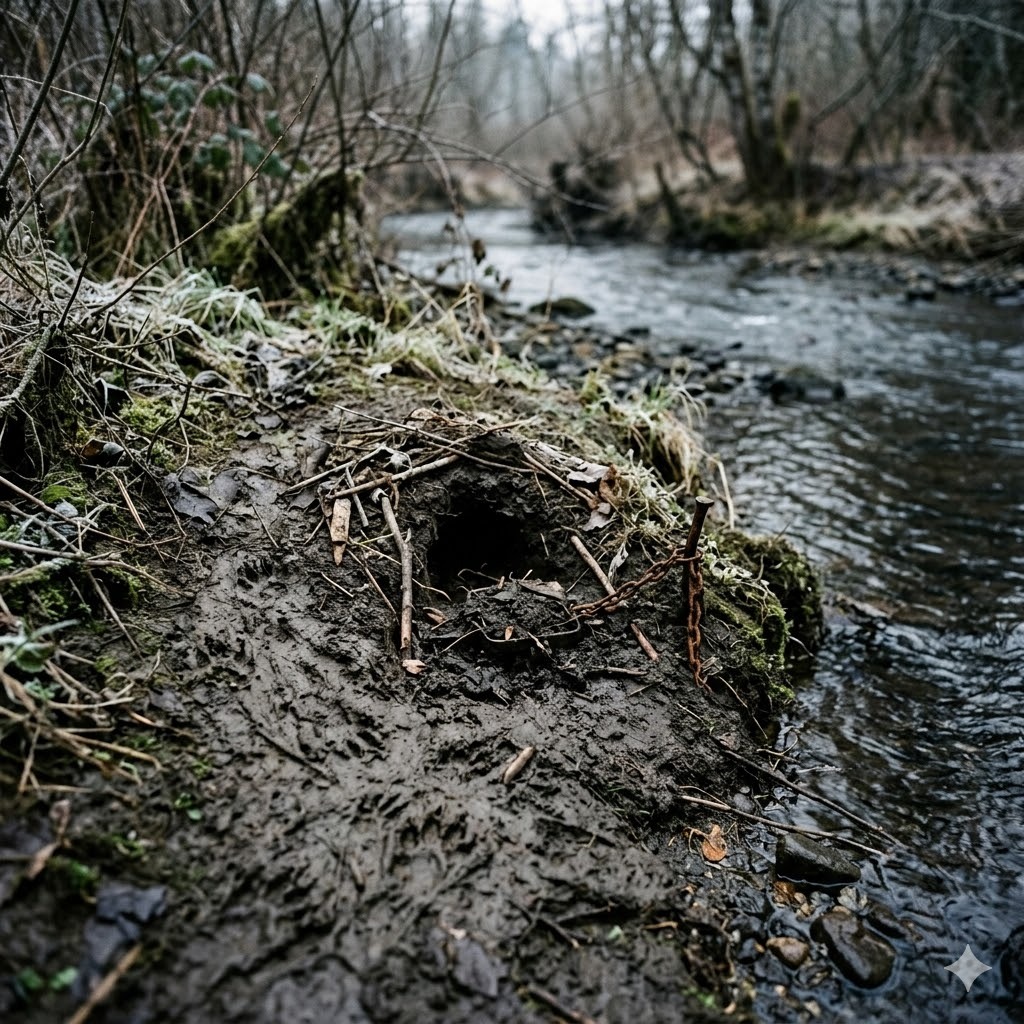
Follow licence, season and trap-size rules. Use appropriate small footholds and check traps daily as the law requires. Handle carefully - mink bite hard.
The mink is a slender, dark member of the weasel family that hunts the edges of streams, shorelines and marshes. It is trapped for its pelt, which is fine, dense and among the more valuable furs a water trapper can take. A mink covers a lot of ground, patrolling banks and investigating every hole and undercut it passes, and that restless curiosity is what a trapper uses against it.
The one thing that shapes mink trapping is the pocket set - a small hole dug into the bank just above the waterline, baited or lured, with a small foothold at the entrance. Mink cannot resist investigating a likely-looking hole, so the whole game is choosing the right spot along the water and building a clean, natural-looking pocket. This is a step up from muskrat: the traps are small, the checks must be daily, and mink bite hard. It suits an intermediate trapper ready to work a bank line carefully.
Why trap mink
Mink are trapped almost entirely for fur, and the fur is worth the effort. A prime mink pelt is small but fine and valuable, and a trapper who learns to read a bank line and place pocket sets can take them consistently. There is real craft in it, which is a large part of the appeal.
Be realistic about the work. Mink are not as forgiving as muskrat - they range widely, so you cover distance on a line, and one poorly built set often means no catch. The reward is a genuinely good pelt and the satisfaction of outwitting a sharp, mobile animal.
What you get from a mink:
- A fine, dense, valuable pelt for its size
- A genuine step up in skill from the beginner species
- Reliable results once you learn to read a bank line
- A rewarding, craft-heavy kind of trapping
Reading the sign and finding them
Mink work the water's edge, so that is where you read them. Look for the classic mink track along mud and sand, small paired droppings on rocks and logs, and the holes, undercuts and root tangles they investigate as they patrol. Mink follow shorelines and stream banks faithfully, dipping into every likely hole, which is exactly why they are so catchable at the right spot.
The best sets go where the bank offers a natural hole or where you can build a convincing one, above the waterline, at a spot the mink is already passing. Points, inflows, undercut banks and crossovers between waters all concentrate travel. You are looking for a place that looks to a mink like a den or a stashed meal is worth investigating - and then you make that spot irresistible.
Because mink range so far, expect to walk and read a good stretch of bank rather than fixating on one pool. A single mink may patrol a mile or more of shoreline, so your line follows the water and your sets go at the best spots along it. Fresh tracks in soft mud, especially after rain when older sign is washed away, are the surest tell that an animal is currently working an area. Mink are most active from dusk through the night, so morning is the time to read what passed. The more bank you learn to see, the more consistently you will place a pocket set where a mink is genuinely travelling.
Sets and gear
The pocket set is the mink set to learn, and it defines the species. Dig or find a small hole in the bank just above the waterline, angled back and up so it looks like a natural den or cache. Place a small amount of bait or lure back in the hole, and set a small foothold at the entrance, just under the surface film, so the investigating mink steps into it. Rig it so the caught animal is drawn to deeper water where dispatch is quick, the same drowning principle used across water trapping.
Practical steps for an intermediate trapper: choose a spot the mink is already using; keep everything clean and natural-looking, with no disturbed ground shouting "trap"; use a small, appropriate foothold and a proper drowning rig; and refresh lure or bait as needed. Unlike muskrat, mink genuinely notice a sloppy set - freshly dug soil left scattered, an unnatural-looking hole, or heavy human scent can turn one away - so tidy work is part of the craft here, not an optional nicety.
Blind sets in a pinched run, where a mink is funnelled through a narrow gap along the bank, and small body-grips at den entrances are also used and can be very effective once you have learned to read travel. But the pocket set is the classic, effective, teachable mink set, and it is the one to master first because it rewards exactly the skills - spot selection and clean building - that make you a better trapper overall.
Gear is light - small footholds, drowning wire, a trowel for the pocket, lure or bait, and waders. Keep a dedicated pair of gloves and handle your traps and lures so they smell of the marsh, not of you. See our gear notes for water-trapping basics, and keep everything scent-clean.
Handling, dispatch and fur
A pocket set rigged for drowning dispatches the mink quickly, which is the humane aim. If you find one alive, dispatch it swiftly by an approved method - and take real care, because mink bite hard and will defend themselves. A correctly rigged set avoids this, so build it properly.
Handle mink carefully; those teeth are sharp and the animal is fast even when caught. Skin them cased, pulled inside-out over the body, flesh the pelt clean of fat and membrane, and dry it fur-side-in on a small stretcher in a cool, airy, shaded place. A clean, well-fleshed mink pelt is worth handling well - it is a fine fur and repays the care.
Wear gloves, cover any cuts, and wash up afterwards. Treat the animal with respect throughout; a mink is a small predator, and it deserves a clean, quick, lawful end. The quality of your handling shows directly in the finished pelt, so slow down and do it properly - a fine fur handled carelessly is a waste of a good animal.
Ethics and the law
This is the most important section. Get properly licensed before you set - most places require a trapping licence, and mink usually have a defined season. Check your local season, limits and trap rules first, and never assume.
Legal trap types, sizes and sets vary by area, so confirm through your regulations source which footholds and sets are allowed and where they may be placed. Check your traps daily at minimum - both a legal duty in most places and a basic obligation to the animal, especially with footholds. Build your pocket sets thoughtfully to avoid catching non-target animals and pets: keep bait and lure appropriate, place sets where dogs are unlikely to reach, and rig for a quick, humane result.
Handle mink with gloves and cover cuts. Above all, respect the animal - trapping is ethically serious, and a fine, quick-witted furbearer like the mink deserves a clean, humane, lawful death. Read our trapping ethics guide before your season, and browse the wider trapping section for related water species.