How to Trap River Otter
The river otter is a large, powerful, trap-shy water weasel with a thick prized pelt - a closely managed species for the experienced, often requiring tags and pelt sealing.
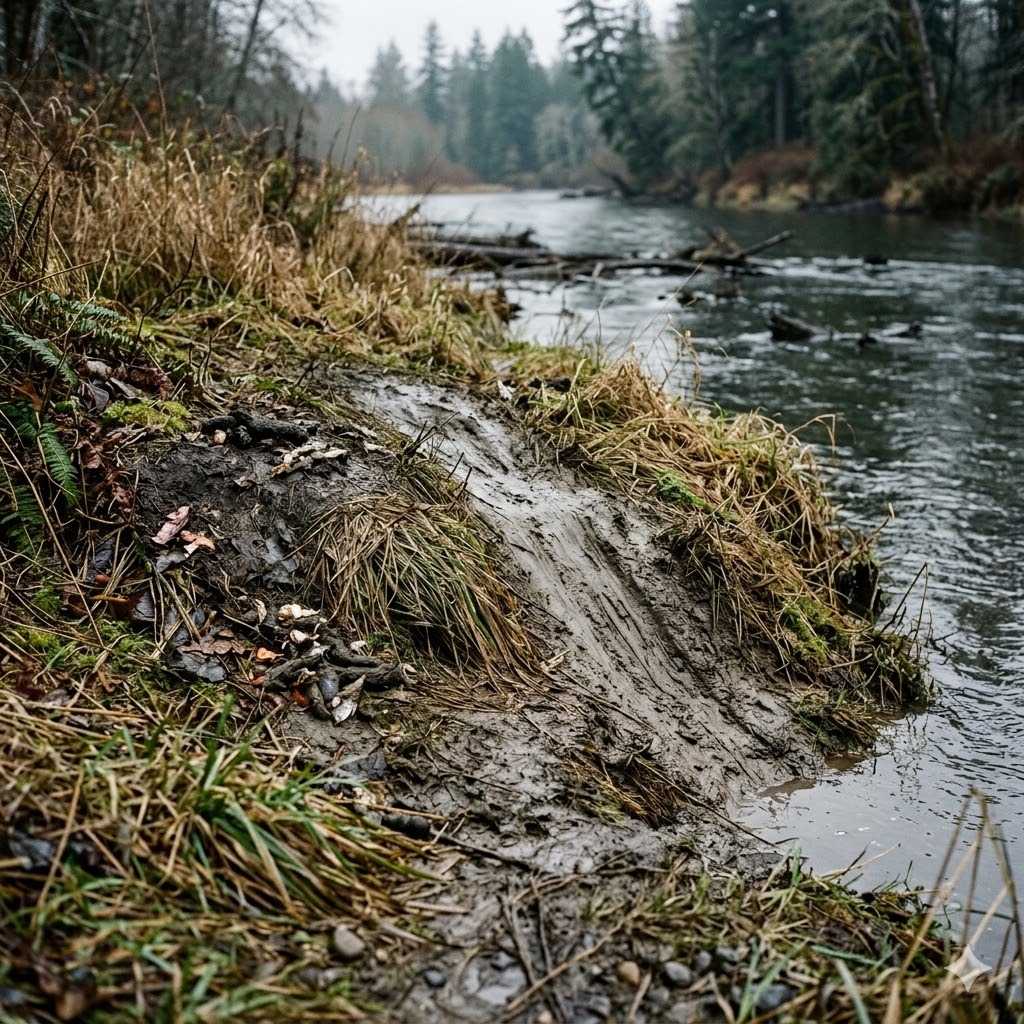
🔴 Otter are often quota-managed with mandatory tags/seals and pelt sealing, and some areas restrict or close them - check your rules first. Use legal, humane sets and heavy enough traps.
The river otter is the largest of the water weasels, a strong, intelligent animal that ranges long distances between waters and leaves distinctive sign at the places it visits. It is trapped for a thick, durable, prized pelt, and its pursuit is regarded as one of the more demanding challenges in water trapping. Otter are wary, powerful and travel widely, so catching one is an accomplishment earned through careful reading of the land.
The one thing that shapes otter trapping is how trap-shy and mobile they are, combined with how tightly they are managed. This is not a numbers animal or a beginner's target. In many places otter are quota-managed, with mandatory tags and pelt sealing, and they are restricted or fully closed in some areas. Otter trapping suits only the experienced trapper who already reads water well, works clean sets, and takes the regulations as seriously as the craft.
Why trap river otter
Otter are trapped for fur and, where populations allow, as part of managed harvest. The pelt is large, thick and durable - a genuinely prized fur when prime and well handled. Because otter are managed carefully, taking one is often a limited privilege rather than a routine catch, which is part of the reason it carries such standing among trappers.
Set your expectations accordingly. Otter are hard to catch, take real skill to handle, and are heavily regulated - in some seasons and areas you may not be allowed to take any at all. The reward is a superb pelt and the deep satisfaction of succeeding with a wary, powerful animal within a strict management framework.
What you get from a river otter:
- A large, thick, durable and prized pelt (when prime and well handled)
- A genuine test of experienced water-trapping skill
- Where permitted, a role in managed, sustainable harvest
- Standing among trappers for a hard-earned catch
Reading the sign and finding them
Otter sign is distinctive once learned. Look for latrines - repeated toilet spots on points, rocks and logs, often with fishy droppings and scent - rolling spots where they groom in grass or sand, worn slides down banks, and crossovers, the land routes they use to travel between one water and another. Because otter cover long distances, the sign clusters at these key spots rather than being spread everywhere.
The best sets go at latrines, rolling spots and crossovers where otter reliably return, and at the pinch points along their travel routes. Reading these locations correctly is most of the skill - an otter is far too wary to reward a rushed or dirty set. Take time to confirm the spot is genuinely active before you commit to it, and expect to work for every catch.
Otter travel enormous distances, sometimes ranging over many miles of connected waterway, so a latrine that looks active may only be visited every few days. Patience is part of the pursuit: you may leave a set for some time before an otter cycles back through. Learn to tell fresh sign from old - shiny, dark, fishy droppings and recently disturbed rolling grass mean a current visit, while dried and faded sign means the animal may be far away. Because otter share their waters with beaver, mink and muskrat, do not mistake other animals' sign for otter; the distinctive latrines and slides are what you confirm before committing an expensive, carefully built set.
Sets and gear
Otter sets demand experience and clean work. Blind sets in the pinch of a crossover or the narrow throat of a channel - where the otter must pass through a body-grip frame or step onto a foothold - are the mainstay, because otter are wary of anything that looks or smells wrong. Latrine and rolling-spot sets, worked into places the animal already uses, can also produce.
Both large body-grip traps and heavier footholds rigged for drowning are used, matched to the otter's size and power. A foothold must be a size and anchoring appropriate to a strong animal, rigged on a proper drowning slide-wire into deep water so dispatch is quick and the otter cannot reach the surface. Body-grips must be the correct large size and set exactly right. This is advanced gear used in advanced sets, and it should be learned under an experienced hand.
Practical points: keep everything scrupulously clean and natural; use anchoring and rigging strong enough for a powerful animal; and confirm every regulation about which traps and sets are legal for otter before you go. An under-sized foothold or a weak anchor on an animal this strong is both a lost catch and a welfare failure, so err firmly on the side of stronger, correctly matched gear.
There is also a real safety dimension. The large body-grip traps used for otter are the same powerful traps used for beaver, and they are dangerous to set - learn setting tongs or a proper setting tool, keep the safety catches on until the trap is placed, and never set one with cold, numb hands. Practise the mechanics thoroughly on dry land before you ever build an otter set in the field. See our gear notes, but treat otter as a species to apprentice into, not to attempt cold - the right way to start is alongside an experienced trapper who can show you clean sets, correct rigging and safe handling of heavy gear.
Handling, dispatch and fur
A correctly built body-grip or drowning set dispatches the otter quickly, which is the humane purpose of building it precisely. Because otter are large and strong, a proper, well-anchored, drowning-rigged set is essential - never under-gun this animal. If you ever find one alive, dispatch it swiftly by an approved method, but the right set should prevent that.
Handle otter with care; they are big, powerful and heavy even after dispatch. Skin them cased, flesh the pelt thoroughly of fat and membrane - otter are fatty and take real effort to flesh clean - then dry fur-side-in on a large stretcher in a cool, airy, shaded place. Where the law requires it, present the pelt or carcass for the mandatory tagging and sealing before you finish handling. A well-handled otter pelt is a superb piece of fur and honours a demanding animal.
Wear gloves, cover any cuts, and wash up afterwards.
Ethics and the law
This is the most important section, and with otter it is non-negotiable. Otter are quota-managed in many places, with mandatory tags, pelt sealing and reporting, and they are restricted or completely closed in some areas. Before you even plan a set, check whether otter may be legally trapped where you are, and what tagging, sealing and reporting apply - check your local season, limits and rules first, and if there is any doubt, do not set.
Legal trap types and sets for otter vary and are often specific, so confirm exactly what is allowed through your regulations source. Check your traps daily at minimum, as both a legal duty and an obligation to a powerful animal that must be dispatched cleanly. Build sets to avoid non-target animals and pets - be especially careful, as beaver, dogs and other animals share otter waters - and keep body-grips and heavy footholds in locations and depths where non-targets and pets are unlikely to reach them.
Handle carcasses with gloves and cover cuts. Because otter sit under quota management in so many places, treat every rule as a hard limit, not a guideline: if your area is closed, or your quota is filled, or you lack the required tags, you do not set for otter, full stop. That restraint is not a burden - it is what keeps otter populations healthy enough to trap at all, and it is exactly the discipline that separates a responsible trapper from a careless one.
Above all, respect the animal and the management framework: otter are protected and managed for good reason, and taking one lawfully, cleanly and humanely is the mark of a serious trapper. Read our trapping ethics guide carefully before ever pursuing otter, and see the wider trapping section for the water species to master first.