Red Stag
The red stag is the European cousin of the North American elk and one of the most prized exotic big-game animals a hunter can pursue in the United States, especially across the ranch country of Texas and the Hill Country exotic ranches that have made free-range and high-fence red stag hunting a year-round opportunity.
🗓️ Last reviewed: June 2026
Overview
The red stag is the European cousin of the North American elk and one of the most prized exotic big-game animals a hunter can pursue in the United States, especially across the ranch country of Texas and the Hill Country exotic ranches that have made free-range and high-fence red stag hunting a year-round opportunity. Brought to American ranches from Europe and New Zealand stock over the past century, red deer adapted readily to Texas brush, rolling oak country, and managed exotic ranges, where they now thrive and breed as established herds. A heavy-bodied, mahogany-coated deer crowned with branched, many-pointed antlers and famous for the deep, primal roar of the rut, the red stag offers a dramatic hunt, fine venison, and a trophy with real European pedigree - all without a draw or a lottery tag. For the hunter who wants a world-class antlered animal on a flexible schedule, the red stag is hard to beat.
Identification & Appearance
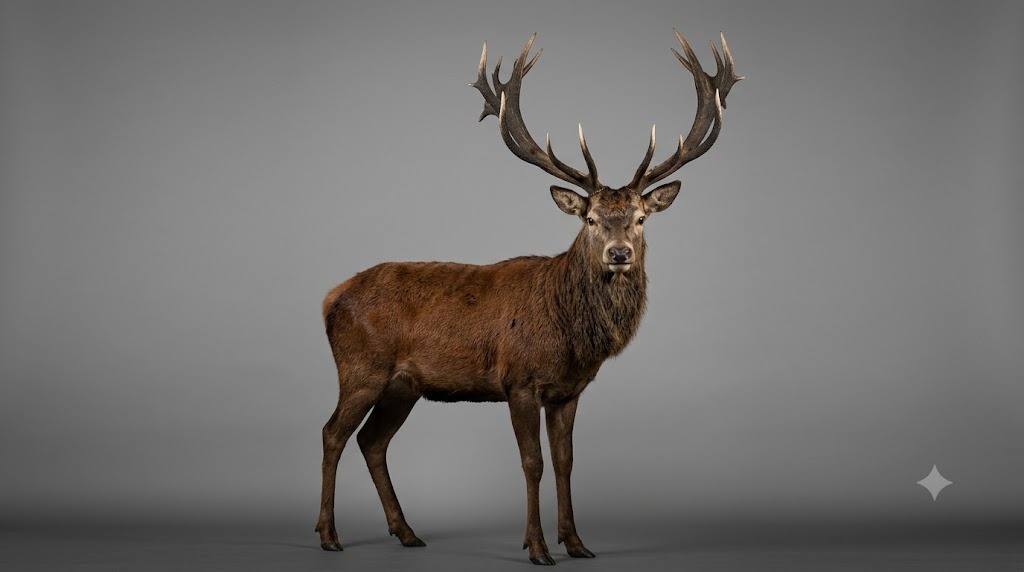
The red stag is a large, powerfully built deer with a rich reddish-brown to mahogany summer coat that darkens to a grayer brown in winter, often with a lighter rump patch and a darker mane on the neck of mature stags during the rut. The defining feature is the antlers: unlike the simple forks of native species, a mature stag carries long, sweeping, heavily branched beams with multiple points, and the very best old stags develop a cluster of points at the top called a crown or "royal" formation. Stags are noticeably larger and heavier than hinds (the females), carry the antlers, and grow a thick neck and shaggy mane in the breeding season, while hinds are smaller, slimmer-necked, and antlerless. Mature stags are big animals, commonly weighing several hundred pounds, with a deep chest and a proud, upright carriage. The combination of mahogany coat, dark rutting mane, and tall branched crown makes a hard old stag unmistakable.
Range & Habitat (US)
In the United States, red stag are an introduced exotic concentrated on private ranches, most heavily across central and southern Texas - the Hill Country and the South Texas brush - with additional herds on exotic and game ranches in other states. They do well in a wide range of cover, from oak-studded rolling hills and cedar brakes to mixed brush country and open pasture edges, favoring a mosaic of woodland, thicket, and feeding openings that gives them browse, shade, and security. Red deer are adaptable grazers and browsers that use cover to bed and travel and step into openings to feed, so the best ground blends thick escape cover with grassy or brushy feeding areas. On large free-range exotic ranches they roam much as native deer do, while high-fence operations manage them within sizeable, habitat-rich enclosures. This flexibility in habitat is a big reason red deer have flourished on American ranches.
Behavior & Sign
Red stag are social, vocal deer with sharp senses and a strong rut, and outside the breeding season stags and hinds typically live apart - hinds and calves in family groups, stags in bachelor bands. Everything changes in the autumn rut, when mature stags roar - a deep, guttural, far-carrying bellow used to claim territory and gather hinds - and gather and defend groups of hinds, sparring and occasionally fighting rival stags with their antlers. They feed most actively in the cooler hours of early morning and evening, bedding in heavy cover through the heat of the day. Sign is much like that of native deer but larger: big cloven tracks on trails and in soft ground, sizable droppings, rubs on saplings and brush where stags polish antlers and mark territory, wallows churned up by rutting stags, and well-worn trails between bedding cover and feeding areas. During the rut, the roar itself is the surest sign of all, letting a hunter locate and even call to a stag.
Hunting Seasons & Timing
Because red stag are classified as an exotic in Texas and most states, they may generally be hunted year-round on private land with a valid hunting license and landowner permission - there is no draw, no lottery, and no closed season to wait on, which is a large part of their appeal. That said, timing matters enormously for the experience. The autumn rut, often called the roar and typically running through the cooler months of fall, is the premier time to hunt: stags are vocal, visible, focused on hinds, and carry hard, fully developed antlers and a dark mane, making for the most exciting and traditional red stag hunt. The cooler months also ease long days afield and the care of a large carcass. Hunters seeking the full roaring spectacle should plan around the rut, while those simply wanting a stag can go nearly any time. Always confirm the license requirements and the specific ranch's season, management, and access rules before you book.
Hunting Methods
Spot-and-stalk and calling during the roar are the classic methods for red stag, and the rut makes both especially productive. Outside the rut, hunters glass feeding openings and field edges at first and last light, locate a stag, and use cover and wind to stalk into range, much as for native deer. During the roar, the game changes: a hunter can listen for a roaring stag, move in on the sound, and even roar back to challenge and draw a territorial stag into the open, an electrifying and effective tactic. Hunting from blinds or stands overlooking feeders, trails, and water is also common and successful on managed ranches. Whatever the method, red stag are heavy, sturdy animals, so hunters should carry an adequate rifle and bullet, get a steady rest, and pick clean broadside or quartering shots. Patience, good glassing, attention to wind, and - in the rut - a good roar are the keys.
Where to Find Them - Reading the Terrain
Hunt the mosaic: the edges where heavy bedding cover meets grassy or brushy feeding openings, where red stag move at dawn and dusk. Glass field edges, pasture corners, oak flats, and openings in the brush at first and last light, looking for the mahogany bodies and tall antlers of feeding animals. On the ground, read the larger-than-native sign - big tracks on trails, sizable droppings, fresh rubs on saplings, churned wallows, and worn travel routes between cover and food. During the roar, let your ears guide you: move quietly through stag country listening for roars, then close the distance or call. Water sources, feeders, and travel corridors concentrate movement, especially in dry weather and heat. Use the wind on every approach and keep to cover, because a mature stag's eyes, ears, and nose are every bit as sharp as a wary buck's.
Gear & Optics Needed
Red stag hunting blends glassing with stalking and stand work, so good optics and an adequate rifle are the priorities. A quality 8x or 10x42 binocular handles most glassing of openings and edges, and a spotting scope helps judge antlers and age at distance on open ranches, while a rangefinder is valuable for confirming distance before the shot. Bring a flat-shooting, hard-hitting rifle - cartridges in the .270 to .30 caliber class or larger with tough, well-constructed bullets suit a heavy, deep-chested deer that can soak up a marginal hit. A steady rest such as shooting sticks or a bipod helps anchor a clean shot. Add sturdy boots for brush and hill country, weather-appropriate camouflage, and, for the rut, a roaring call or grunt tube to challenge stags. Round it out with a sharp knife and game bags and a plan to quarter and cool several hundred pounds of meat, which matters especially in warm early-season weather. Practice from field positions before the hunt.
Shot Placement & Field-Dressing
A clean, ethical harvest on a heavy red stag depends on precise shot placement and adequate power. The broadside shot to the heart-lung area, tight behind the front shoulder and into the lower third of the chest, is the surest, and a slightly quartering-away angle that drives the bullet forward into the off shoulder works well on a big stag. Wait for a calm, well-ranged, unobstructed shot from a steady rest, and avoid marginal angles on such a sturdy animal. After the shot, give a hit stag time if needed, then follow up carefully. Field care follows standard big-game practice: a mature stag yields a great deal of meat that should be field-dressed promptly, then skinned and quartered and cooled as quickly as conditions allow - especially important in warm weather. Keep the carcass clean, work methodically, and follow all carcass-handling and disease rules for the ranch and state.
Meat & Eating Quality
Red stag venison is excellent - lean, fine-grained, and rich without being strong, widely regarded as some of the finest of the deer meats and a real prize for the table. As with all game, eating quality depends heavily on prompt field care and rapid cooling, particularly in warm early-season conditions. The tender loin and backstrap shine with quick, high-heat cooking served on the rarer side, while the large hindquarter muscles roast and braise beautifully and trim and grind into superb burger and sausage. A mature stag yields an abundance of premium red meat, so a single animal fills a freezer with high-quality table fare. For meat hunters, the red stag offers both a magnificent trophy and a generous supply of outstanding venison, fully rewarding the effort of the hunt.
Common Mistakes
The most common mistake with red stag is treating a heavy, sturdy animal like a light native deer and bringing too little rifle or taking a marginal shot - a poorly placed bullet on a big stag often means a long, hard recovery or a lost animal. Misjudging distance without a rangefinder and failing to use a steady rest are frequent errors that cost clean shots. In the rut, hunters sometimes move too aggressively or ignore the wind when working a roaring stag, and a stag's nose ends the hunt fast. Others rush the roar tactic, calling poorly or impatiently rather than letting a territorial stag commit. Finally, underestimating the heat and the sheer mass of meat can spoil a hard-won harvest. Adequate equipment, careful shooting, attention to wind, patience in the rut, and a real plan for the meat all prevent these mistakes.
Regulations & Conservation Note
Red stag occupy the exotic category in American wildlife management: in Texas and most states they are privately owned game hunted under the landowner's authority, generally year-round with a valid hunting license and no draw or closed season, on free-range, low-fence, and high-fence ranches alike. Regulated, ranch-managed hunting funds habitat improvement, herd management, and conservation of the land that holds these animals, and well-run operations carefully manage stag numbers, age structure, and genetics. Responsible hunters apply fair-chase ethics, take only clean shots with adequate equipment, fully use the meat, and follow all license, ranch, and carcass-movement rules, including any disease-management requirements. Hunting red stag legally and ethically supports the private-land conservation model that keeps these herds and their habitat thriving, and it lets a hunter take part in a long European hunting tradition on American ground.
Best Suited For
The red stag suits the hunter who wants a heavy, world-class antlered animal on a flexible, draw-free schedule and who enjoys a mix of glassing, stalking, stand hunting, and - in the rut - the thrill of calling a roaring stag into the open. It rewards good marksmanship with an adequate rifle, attention to wind and cover, and patience, while remaining accessible enough for a wide range of experience levels on a guided or managed ranch. Hunters chasing the full experience will time their hunt to the autumn roar for the vocal, hard-antlered stags and the unforgettable bellow, while those simply seeking a fine trophy and freezer of premium venison can go nearly any time of year. It is an outstanding choice for anyone wanting European red deer pedigree and excellent meat without the wait of a public draw.
FAQ
Do I need a special permit or draw to hunt red stag? No - in Texas and most states red stag are an exotic hunted on private land with a valid hunting license and landowner permission, with no draw, lottery, or closed season. You book a hunt directly with a ranch and can go year-round. Always confirm the license requirements and the specific ranch's rules.
When is the best time to hunt red stag? The autumn rut, known as the roar, is the premier time: stags are vocal, visible, focused on hinds, and carry hard, fully developed antlers and a dark mane. The cooler weather also eases long days and the care of a large carcass. Outside the rut you can still take a fine stag nearly any time of year.
Why is the roar such a big deal? During the rut, mature stags give a deep, far-carrying bellow to claim territory and gather hinds. A hunter can locate a stag by ear, move in on the sound, and even roar back to challenge and draw a territorial stag into the open - an electrifying and highly effective tactic unique to red deer.
Is red stag meat good to eat? Yes - it is lean, fine-grained, and rich without being strong, widely considered among the finest deer meats. Prompt field care and rapid cooling, especially in warm weather, are essential, and a single mature stag yields a large amount of premium venison.
What rifle should I bring for red stag? A flat-shooting, hard-hitting cartridge in roughly the .270 to .30 caliber class or larger, paired with a tough, well-constructed bullet and a steady rest, is well suited to a heavy, deep-chested deer. Pick clean broadside or quartering-away shots and avoid marginal angles on such a sturdy animal.