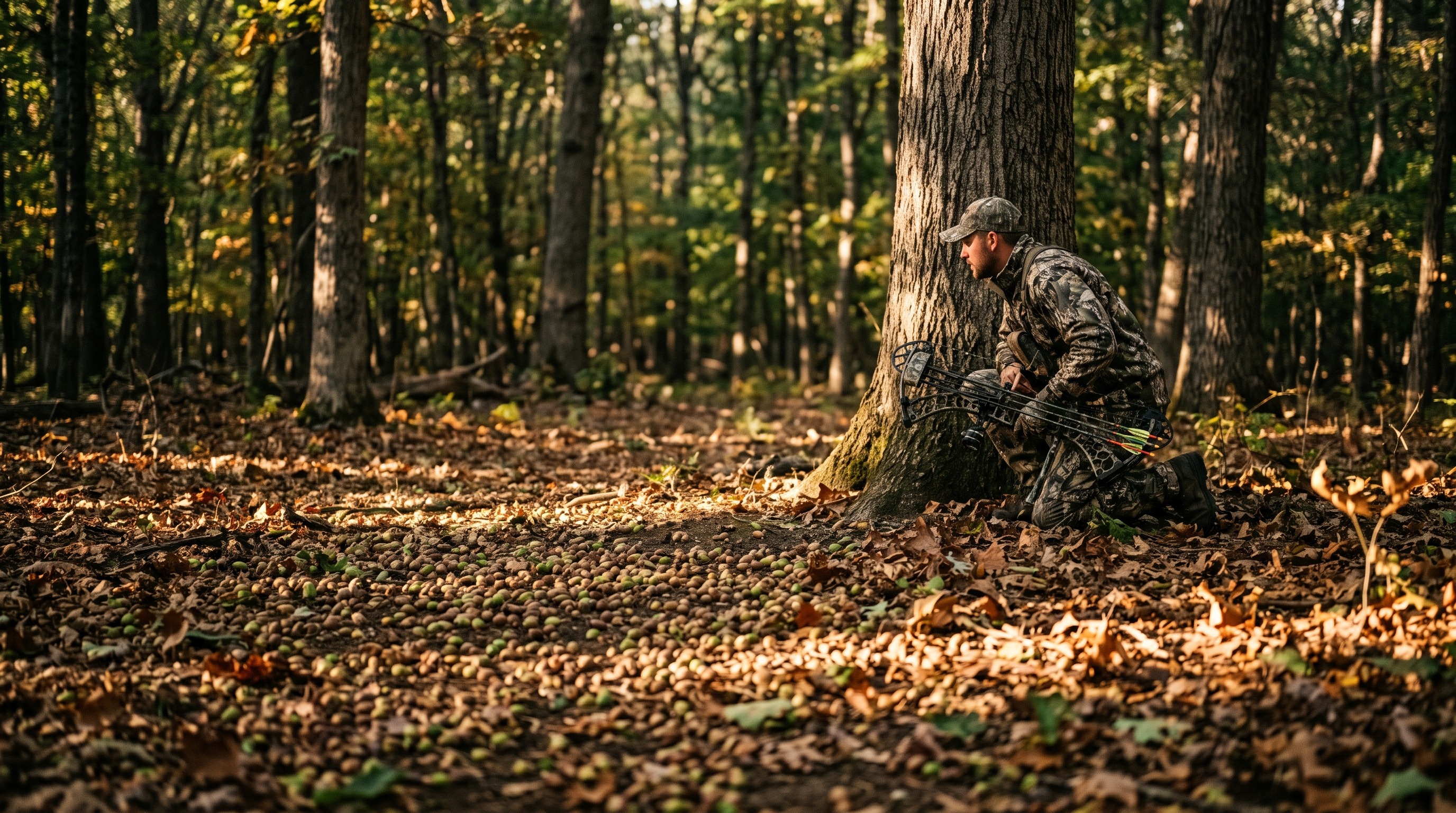
Hunting First Aid Kit
A backcountry hunting first aid kit weighs about a pound and can save your life. Most hunters never assemble one - until the day they need it…
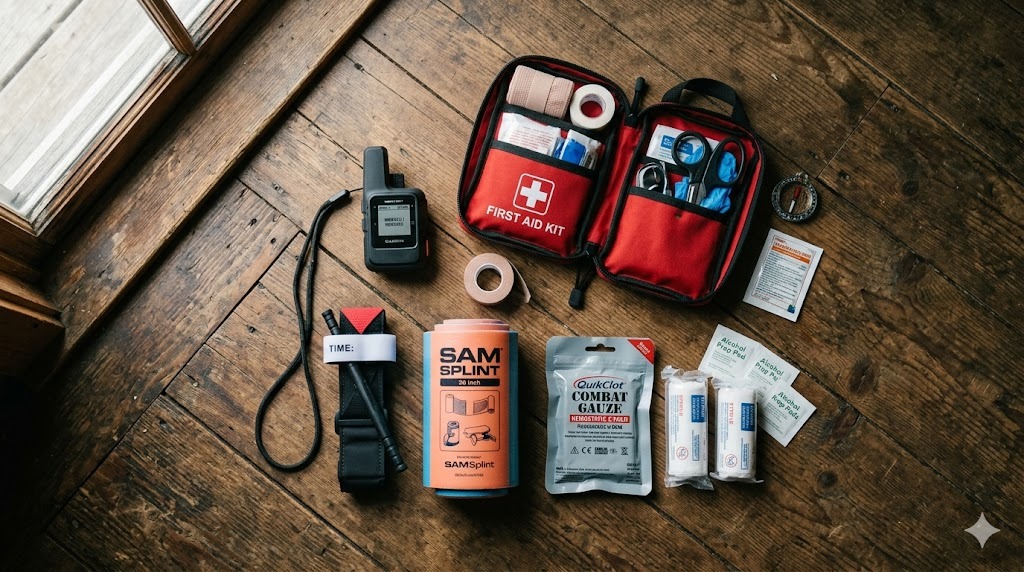
The essentials in a hunting first aid kit cover four jobs: stop bleeding (a tourniquet and a trauma or pressure dressing), close and protect wounds (butterfly strips, gauze, tape), treat the body (pain and anti-inflammatory meds, an antihistamine, blister care), and handle field realities (an emergency blanket, a small knife, and a way to call for help). Skip the bandage-and-aspirin filler of store-bought kits.
A serious hunting first aid kit weighs about a pound, fits in a sandwich-sized pouch, and can save your life - yours or someone else’s. Most hunters never assemble one until they need it, and what actually happens in the field is deep lacerations from knives, sprained ankles 4 miles from the truck, hypothermia, allergic reactions, and broken bones. This guide lists exactly what to carry, why, and how to use it - a natural companion to the wider hunting safety rules that keep those emergencies from happening in the first place.
The Real Hunting Injuries
The injuries you’ll actually see in the field are predictable:
- Knife wounds to hands and thighs during field dressing
- Sprained or broken ankles from steep terrain
- Hypothermia from cold rain, falling through ice, or sweat-soaked layers
- Broken bones from falls, especially from treestands
- Allergic reactions to insect stings or food
- Burns from camp stoves and lanterns
- Tick-borne illness (a slow emergency you address later)
- Cardiac events from cold, exertion, and altitude
Your kit needs to address bleeding, stabilization, warmth, and the ability to call for help. Decoration is dead weight.
The 20 Essentials List
Trauma and bleeding
- CAT-style tourniquet - the single most important item; stops arterial bleeding
- Israeli pressure bandage (4-6 inch) - for serious wounds
- QuikClot hemostatic gauze - for wounds you can’t tourniquet (neck, groin)
- Compressed gauze rolls (2)
- Chest seal (Hyfin or similar) - for penetrating chest wounds
Wound care 6. Adhesive bandages assortment (Band-Aids, butterfly closures) 7. Steri-strips for closing minor lacerations 8. Antibiotic ointment packets (triple antibiotic) 9. Alcohol prep pads and iodine swabs 10. Medical tape (cloth, not paper)
Stabilization 11. SAM splint - moldable, ultralight, works for arms/legs/fingers 12. Elastic compression wrap (ACE bandage) 13. Trauma shears - cut through clothing/boots
Medication 14. Ibuprofen and acetaminophen (10 doses each) 15. Diphenhydramine (Benadryl) for allergic reactions 16. EpiPen if you or a partner has known allergies 17. Personal prescriptions - at least a 3-day supply
Survival and signaling 18. Emergency bivy or space blanket - hypothermia is the silent killer 19. Headlamp with spare batteries - yes, you have one; pack a backup 20. Whistle and signal mirror
Optional Add-Ons
- Naloxone (Narcan) - useful in any kit; one-time use auto-injector or nasal spray
- CPR mask if you’re trained in CPR
- Suture kit if you’re truly remote and have training
- Burn gel packets
- Sting relief wipes
- Imodium for sudden gut issues that turn a trip miserable
How to Pack It
Use a bright red or orange pouch so anyone can find it in your pack in an emergency. Pelican zip pouches, Maxpedition organizers, or even a freezer-grade ziplock work. Keep the tourniquet outside the pack, attached to a shoulder strap or hip belt where you can grab it one-handed with bleeding fingers.
A second small kit (1-2 oz) lives in your hunting pants pocket for the basics: 3 bandages, a tourniquet card, ibuprofen, and lighter.
Practical Skills That Matter More Than Gear
A kit you can’t use is decoration. Take a Stop the Bleed course (free, 90 minutes, offered nationwide) - you’ll learn tourniquet application, wound packing, and pressure. A basic Wilderness First Aid course (16 hours) teaches stabilization for the situations where the helicopter can’t come for 6 hours.
Practice the kit at home. Open the tourniquet, simulate placing it one-handed. Pack a wound with gauze. Splint your buddy’s forearm with the SAM splint. Skills atrophy in months without practice.
Cold-Weather Specifics
Cold turns minor injuries into major emergencies. Add to the standard kit:
- Chemical hand and body warmers (4 sets) - slip into the bivy to combat shock
- Heavy-duty emergency blanket (not the foil kind) - reusable, blocks wind
- Dry change of base layer in a dry bag - wet clothing kills
Communication and Evacuation
A first aid kit without communication is half a kit. A Garmin inReach Mini or similar satellite messenger lets you call for help anywhere on the continent. The SOS button connects you to a 24/7 emergency monitoring center that coordinates evac. Subscription is $15/month basic - cheaper than your hunting license.
Tell someone your exact plan before you leave: trailhead, route, return time, vehicle description. The single biggest factor in survival of a backcountry injury is how quickly someone realizes you’re overdue. Fold the kit into your standard pack-out checklist so it’s never the item you leave in the truck.
FAQ
How often do I check the kit? Annually, before season. Replace expired meds and check tourniquet for sun damage.
Is a $100 pre-built kit good enough? Pre-built kits skew toward Band-Aids and ignore trauma. Replace junk with the items above and you’ll have a real kit.
Can I bring my kit on a plane? Yes, in checked luggage. Carry-on rules ban scissors and some meds in liquid form.
What about my hunting dog? Add vet wrap, a muzzle, and a small bottle of saline for paw flushing. Most human meds are toxic to dogs in human doses - call a vet emergency line, don’t guess.
Does my hunting partner need a kit too? Two kits, two tourniquets. If your partner is injured and you used your only tourniquet on them, you have nothing for yourself.
Conclusion
A proper hunting first aid kit costs $80-150 and weighs about a pound. Carry a tourniquet on the outside of your pack, learn to use it before you need it, and pair the kit with a satellite communicator. The day you use it, you’ll consider it the smartest purchase you ever made.
🛒 Recommended Gear on Amazon
- IFAK trauma kit - browse current options and reviews on Amazon.
- CAT tourniquet - browse current options and reviews on Amazon.
- Israeli bandage - browse current options and reviews on Amazon.
As an Amazon Associate, we earn from qualifying purchases - at no extra cost to you. This helps us keep producing free, in-depth guides.