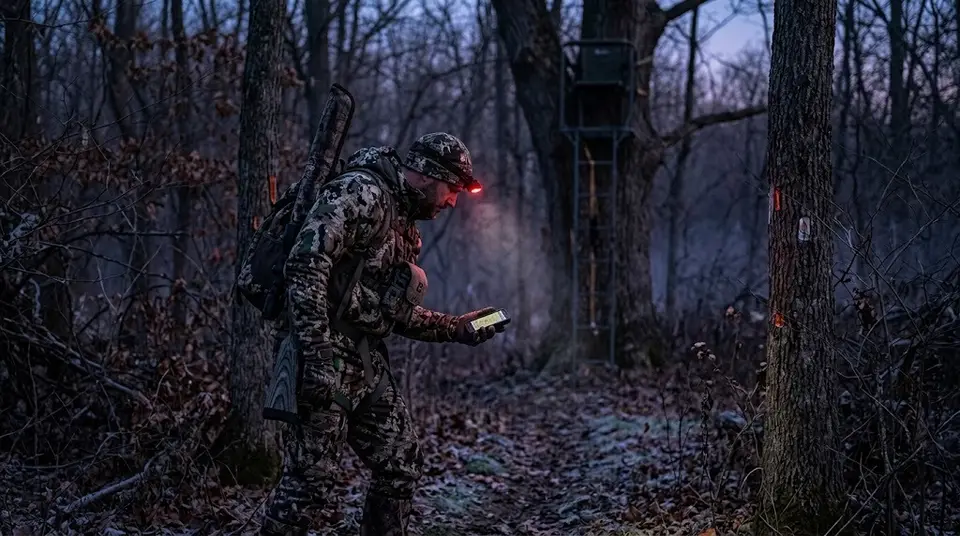
Reaching Your Stand Before Dawn
Getting to a morning setup in the dark: why hunter education recommends tree stands only in daylight, ground-level alternatives, planning and marking the route, leaving a hunting plan, a haul line and a fall-arrest system attached from the ground, and the rules to check on markers and legal hours.
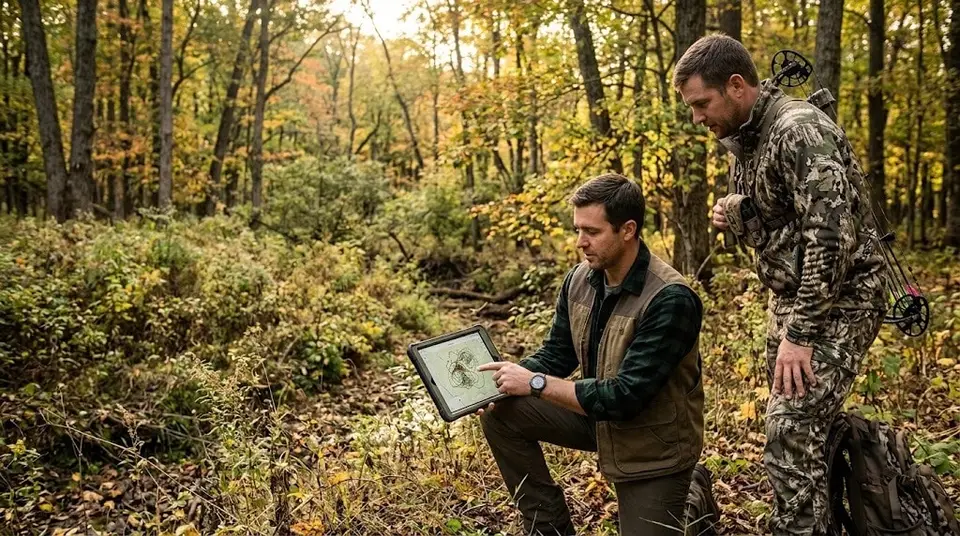
The October Lull, Explained
The mid-October slump in whitetail sightings is real for many hunters, but GPS-collar research suggests deer do not stop moving - they move differently. What changes in early to mid October, and how hunters adjust instead of waiting it out.
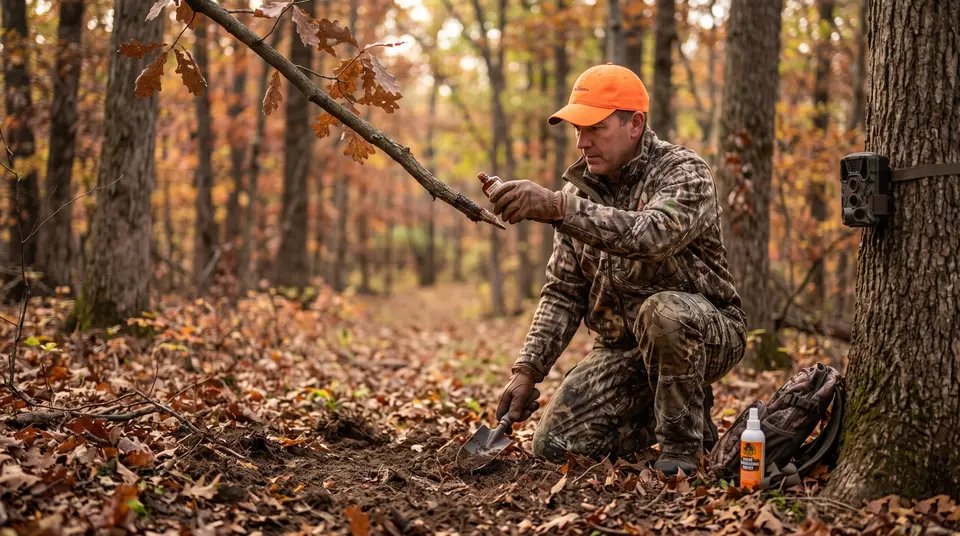
How to Make Mock Scrapes
A mock scrape is a hand-made copy of a buck's signpost - a pawed patch under a licking branch - used to inventory deer on camera and draw movement toward a spot you can hunt. Where to put one, when to make it, and the scent rules to check first.
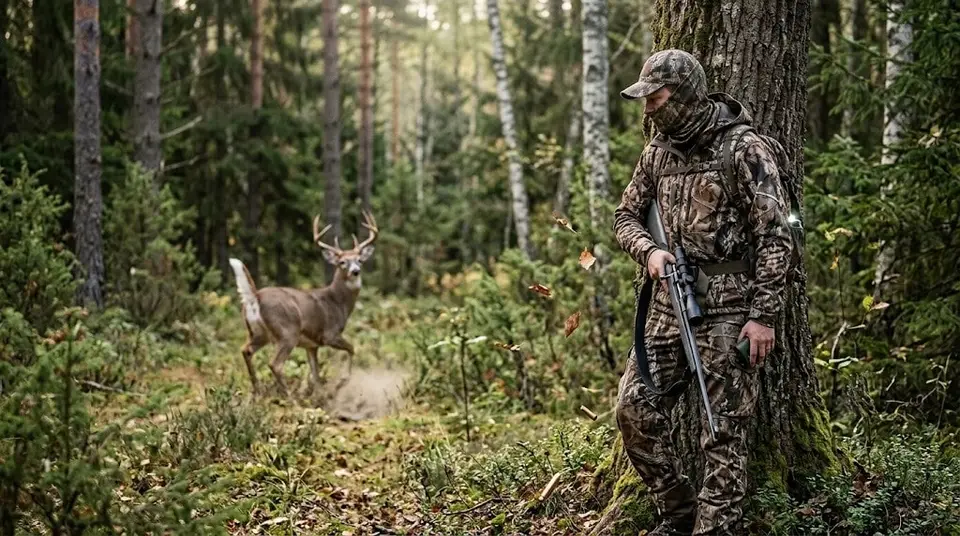
Why You Missed That Deer
Why shots at deer go wrong, from the hunter-education list: range, an alert animal, unclear vitals, fatigue and excitement, brush, moving targets, poor follow-through, and deer jumping the string. How to judge distance (including from a tree stand), and what to change, following the Alaska Bowhunter Safety Course.
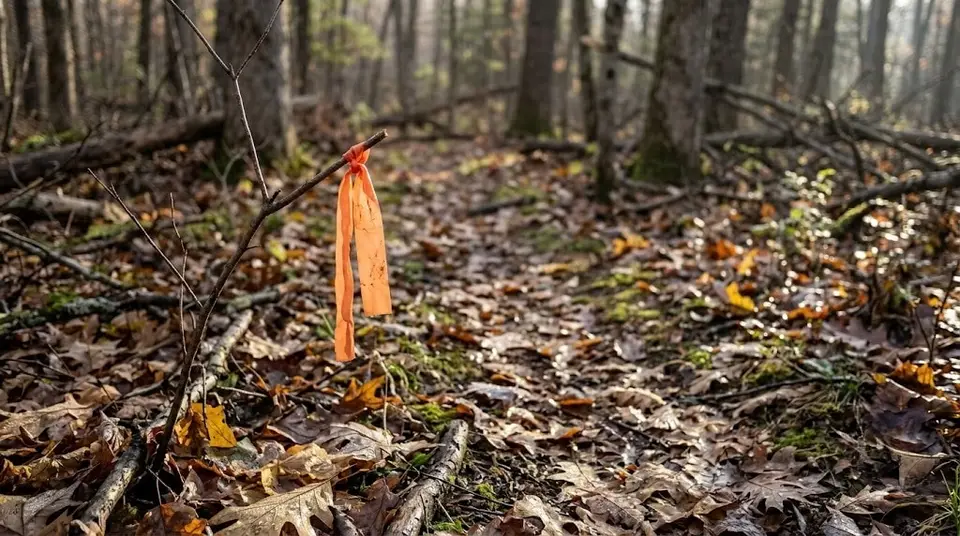
Blood Trailing A Wounded Deer
The two mistakes that are hardest to undo are made in the first twenty minutes: pushing too soon and walking on the sign. Here is how experienced trackers read the hit, how long they wait, and what the rules allow.
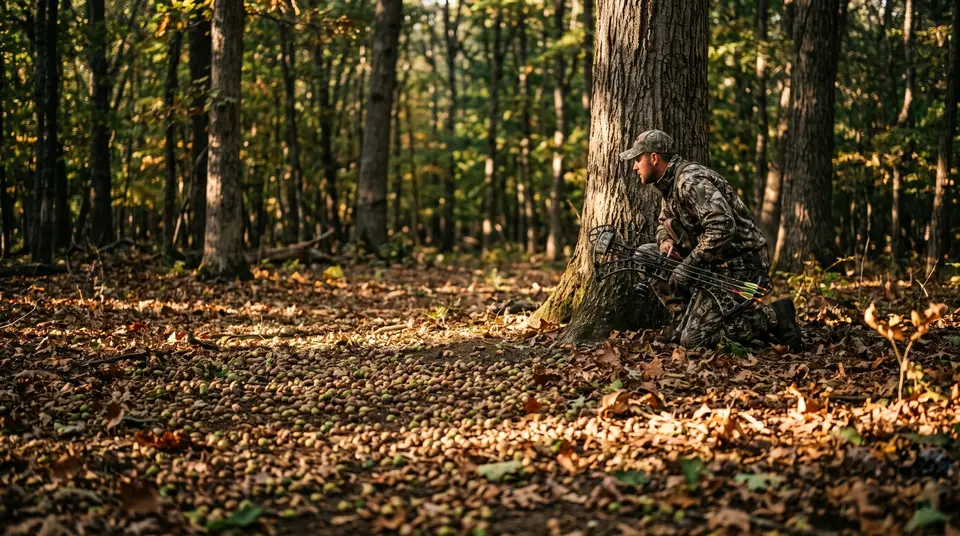
How to Hunt Acorn Flats
When acorns start dropping, deer abandon fields for the timber almost overnight. Find the few trees that are producing, hunt the downwind edge of the drop, and move on as soon as the crop is eaten.
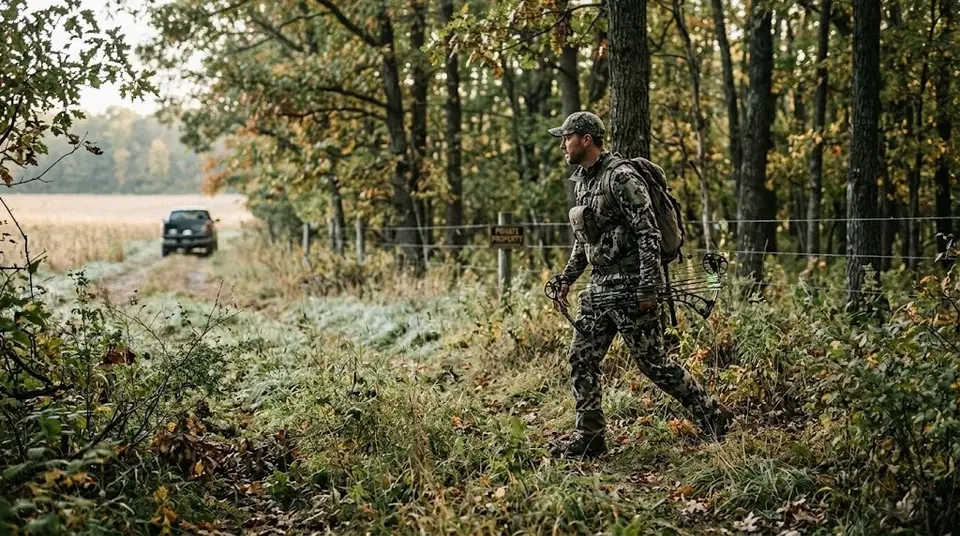
Hunting Small Properties Effectively
On a small parcel, boundaries, access and wind matter most: know the lines, talk to neighbours before a retrieval, plan stands for specific winds and hunt sparingly, following the Missouri Department of Conservation, Virginia DWR and the Alaska course.
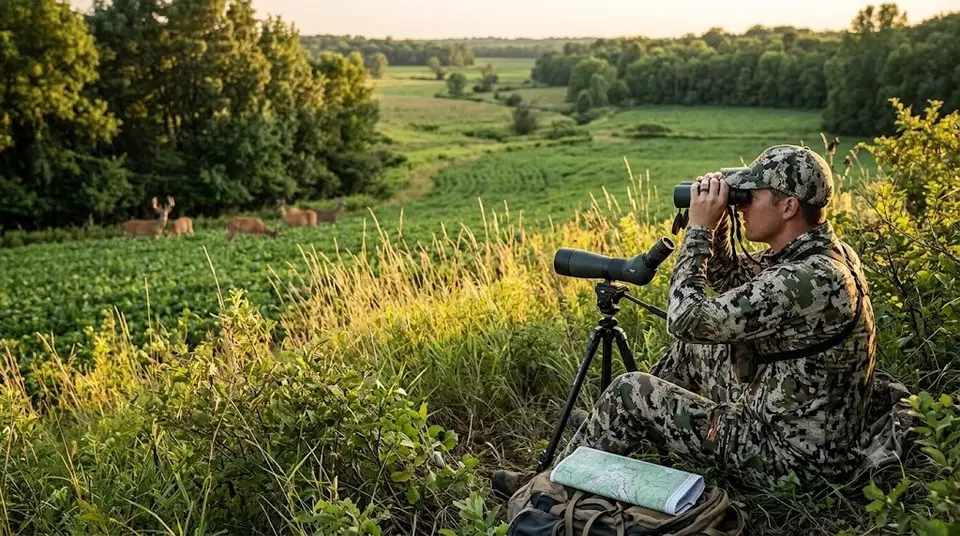
Summer Scouting for Whitetail
Summer scouting for whitetails: glassing fields from a distance at dawn and dusk, maps first, cameras with few visits, finding trails, beds and water, getting landowner permission, and what summer patterns can't tell you about fall, following the Alaska Bowhunter Safety Course, the Mule Deer Foundation and Wikipedia.
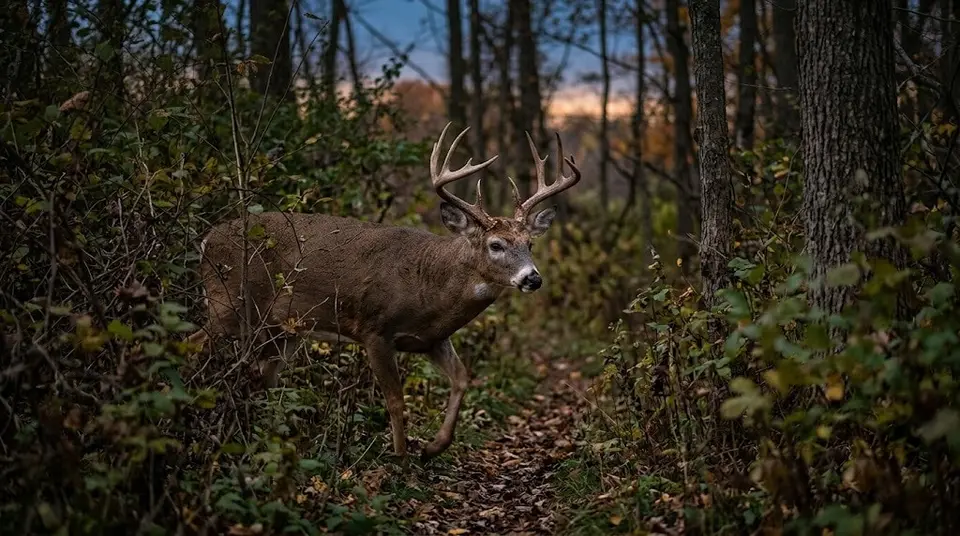
Why Bucks Go Nocturnal
The short answer: bucks don't truly become nocturnal - hunting pressure teaches them to move in the last minutes of light and shrink their daylight range. Here is what the research says and how to hunt an 'invisible' buck.
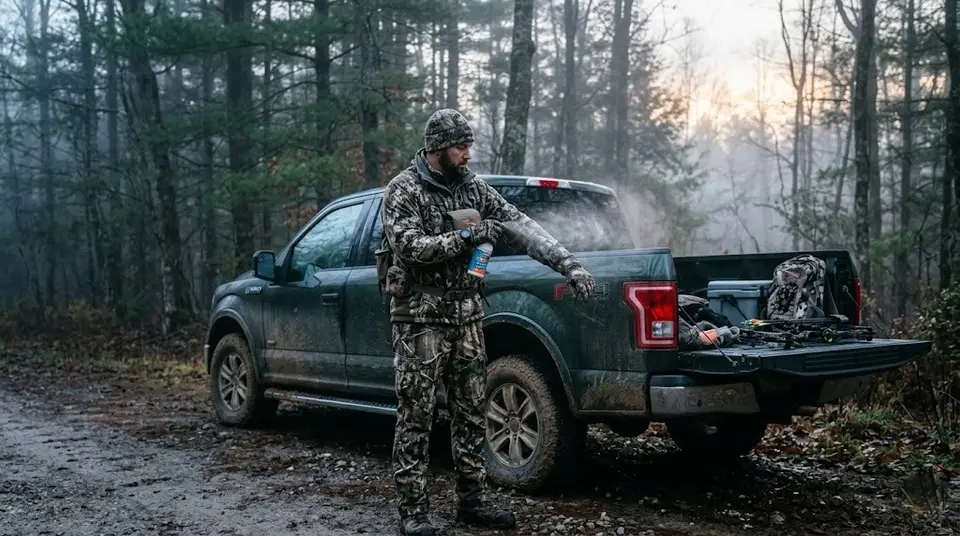
Deer Scent Eliminators Compared
Sprays, carbon suits, ozone - what the published tests of scent control found, what a Penn State deer researcher concluded, the EPA's caution about ozone, and why the wind still decides.
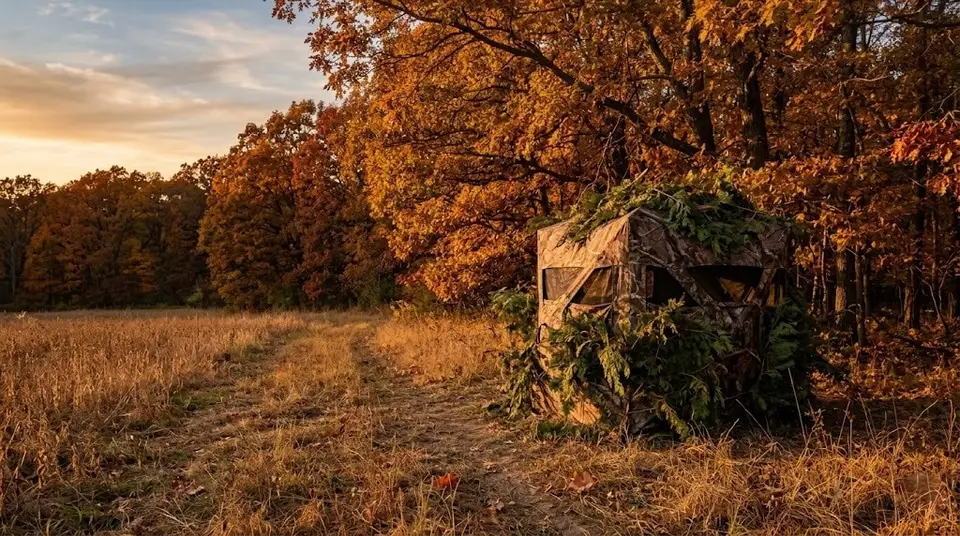
Ground Blind Setup Guide
Where to put a ground blind (downwind or crosswind of trails, food and water), natural vs. cloth blinds, clearing the floor, face and hand camouflage, staying still, safe shooting directions, and the pros and cons of blinds vs. tree stands, following the Alaska Bowhunter Safety Course.
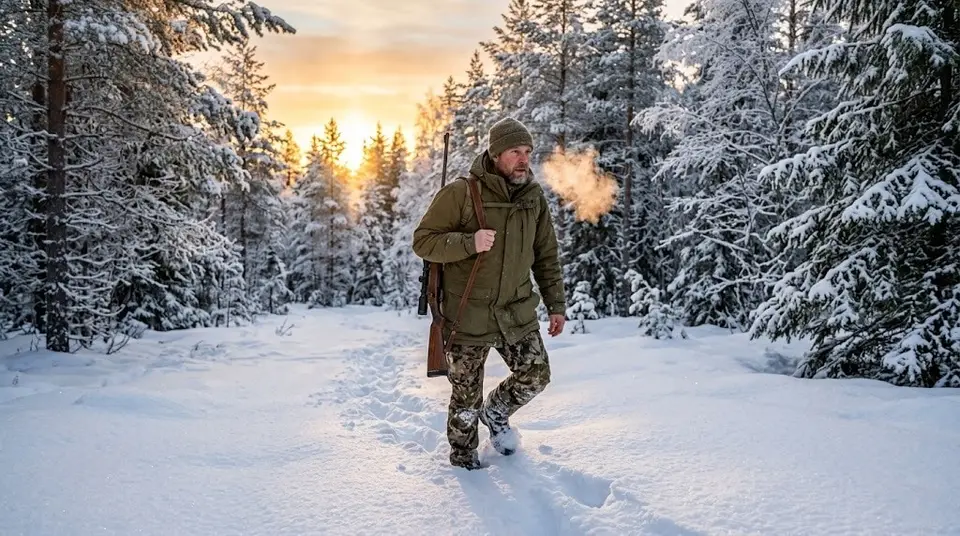
Hunting in Snow
Snow turns the woods into a transparent book. The gear, the tactics and the cold-weather rules that matter when temperatures drop below freezing.
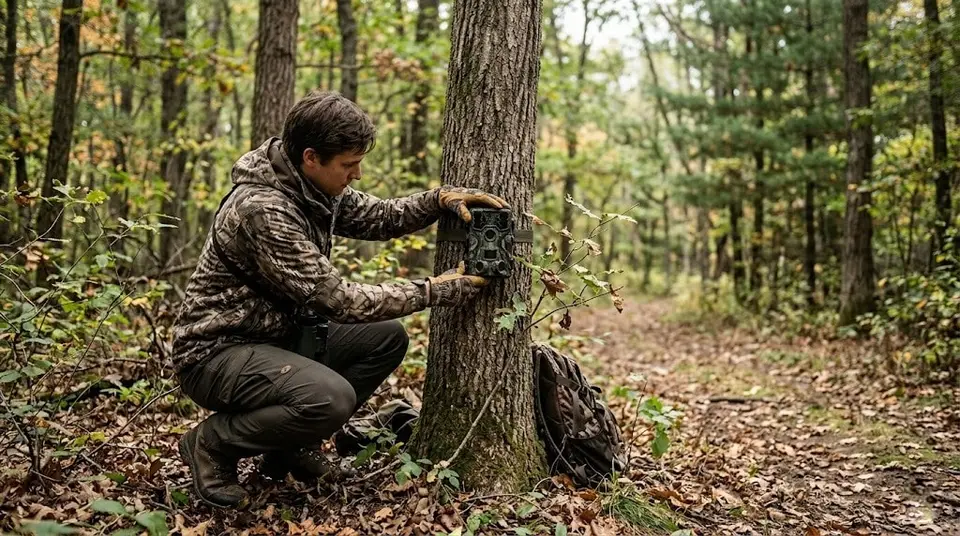
Trail Camera Placement Tips
How trail cameras trigger, where to place them (trails, beds, water, food), no-glow vs. flash, false triggers, cellular cameras, batteries, checking them quietly and the rules on cameras, following Wikipedia and Penn State deer research.