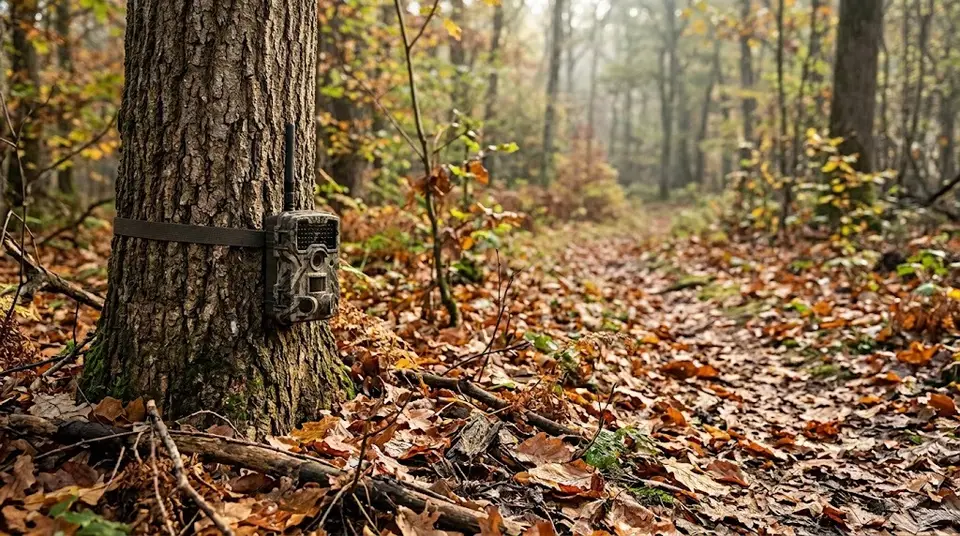
Best Cellular Trail Cameras
Six cellular trail cameras compared from their makers' specs (Browning, Moultrie, SPYPOINT and Tactacam), how a cellular trail camera sends pictures to your phone, data plans, carriers, solar power and what to check before you buy.
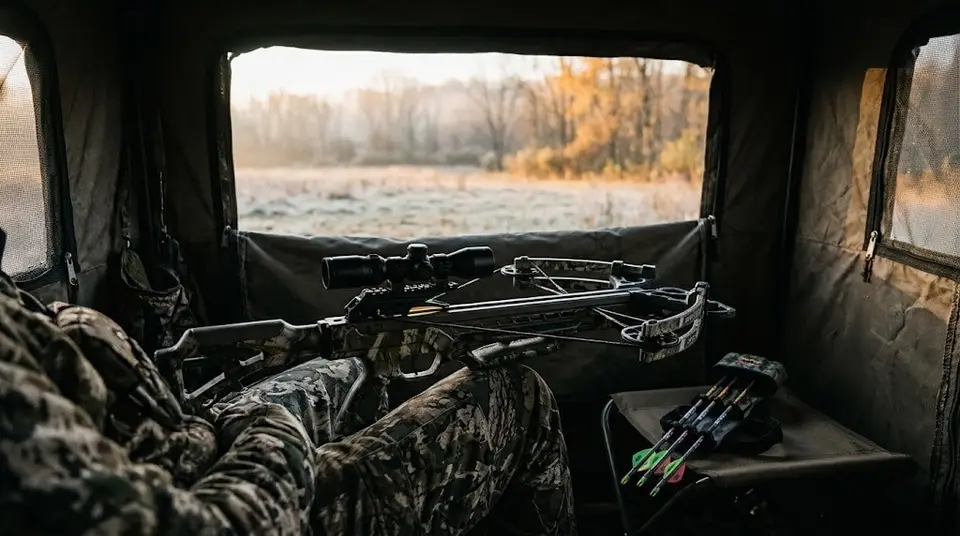
Best Crossbows, Compared
Five hunting crossbows compared from their makers' specs (speed, weight, length, draw weight and how you cock them), compound vs. recurve, what suits a beginner, and the rules to check first.
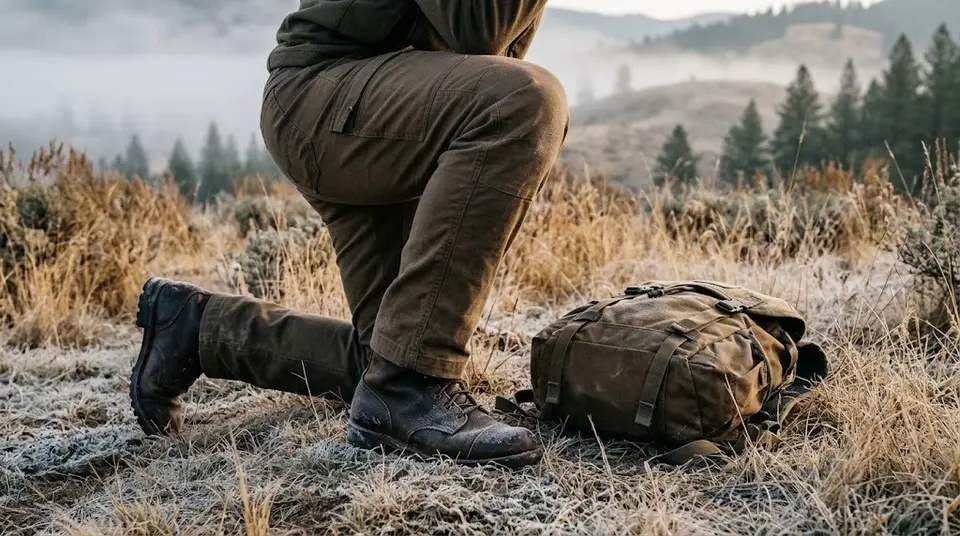
Best Hunting Pants by Season
Seven hunting pants compared from their makers' specs, sorted for early season, all season and late season (fabric, venting, waterproofing, insulation), plus how to layer hunting clothing and the blaze orange rules to check.
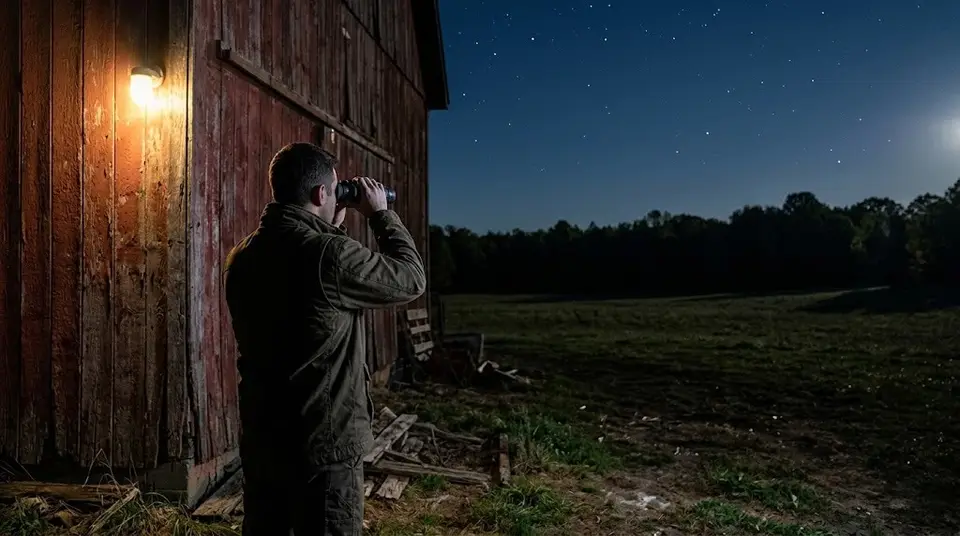
Best Night Vision Binoculars
Three night vision binoculars compared from their makers' specs (a digital day-and-night unit, a thermal-plus-digital hybrid and a Gen 2+ tube), digital vs. green and white phosphor, infrared illuminators, and the law to check first.
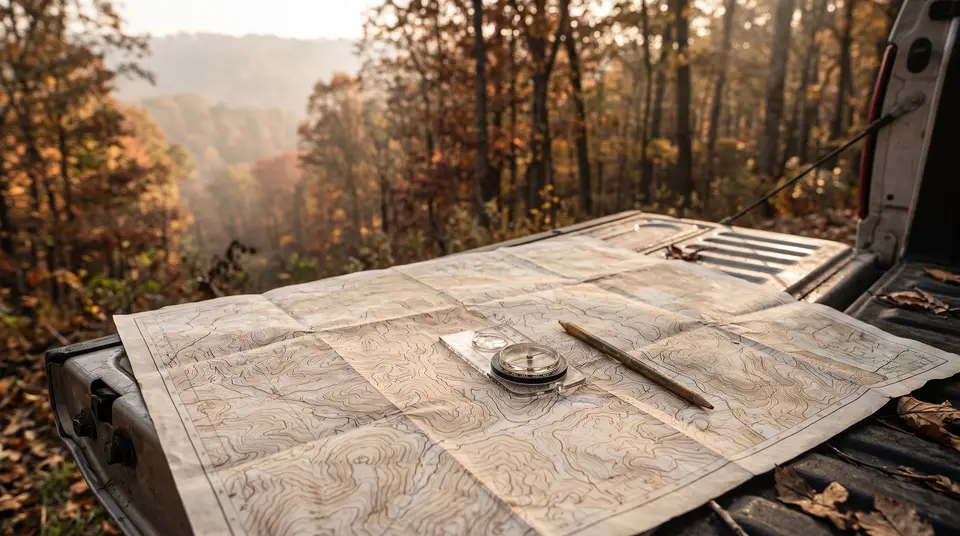
Reading Topo Maps for Hunting
How to read contour lines on a topographic map to find the ridges, saddles, benches and draws that deer and elk use, then check those marks against aerial photos, the wind and a walk on the ground.
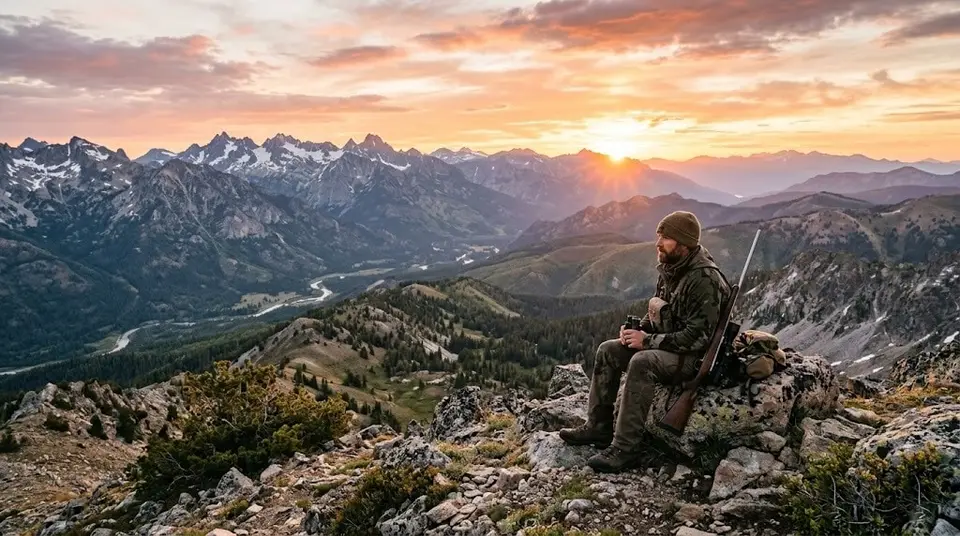
Hunting Ethics and Conservation
Hunting is far more than a way to fill a freezer. A guide to hunting ethics and the conservation legacy every hunter inherits and helps carry forward.
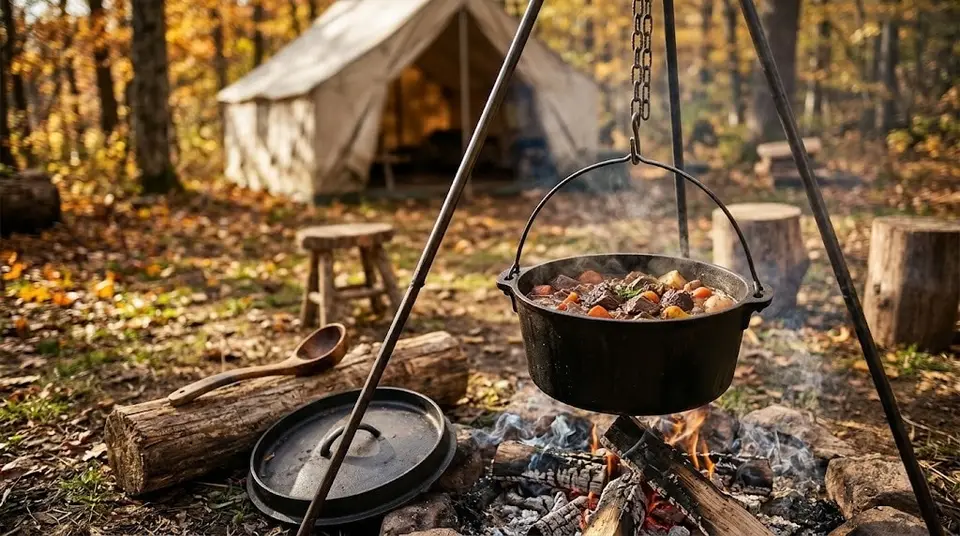
Cooking Wild Game: A Beginner's Guide
Cooking the animals you harvest is the natural conclusion of the hunt - and one of its greatest pleasures.
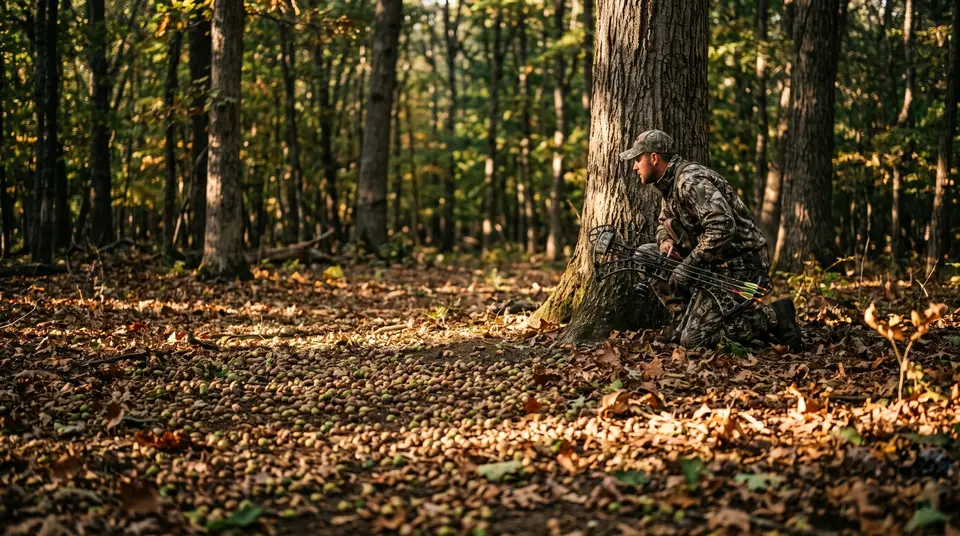
How to Hunt Acorn Flats
When acorns start dropping, deer abandon fields for the timber almost overnight. Find the few trees that are producing, hunt the downwind edge of the drop, and move on as soon as the crop is eaten.
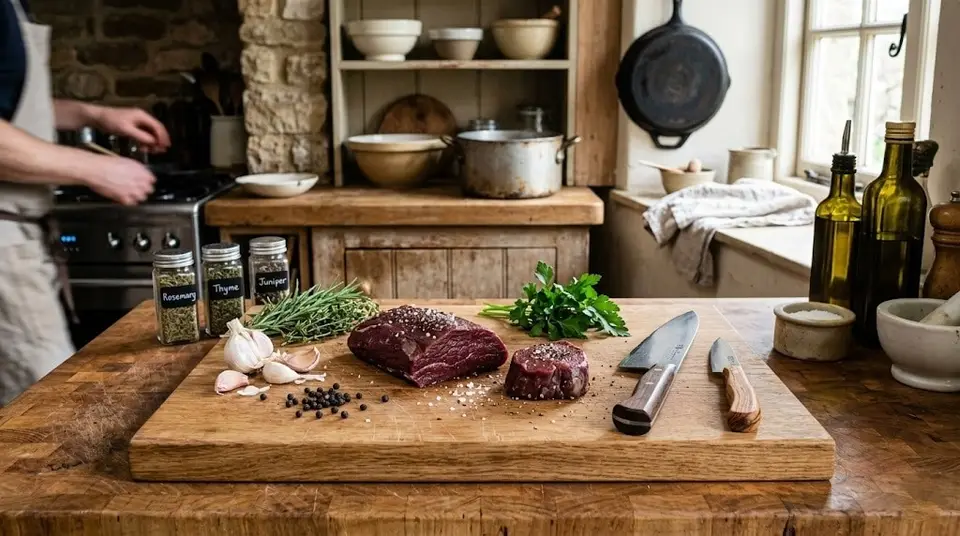
Processing Your Own Game Meat
Processing your own game meat is one of the most rewarding parts of hunting.
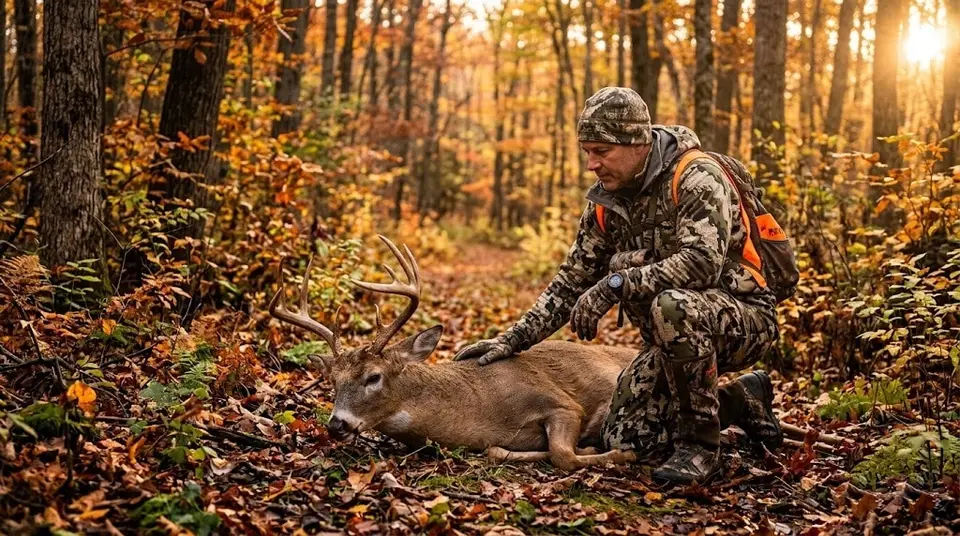
How to Field Dress a Deer
Field dressing - removing the internal organs from a harvested white-tailed deer - is one of the most important skills a hunter can learn.
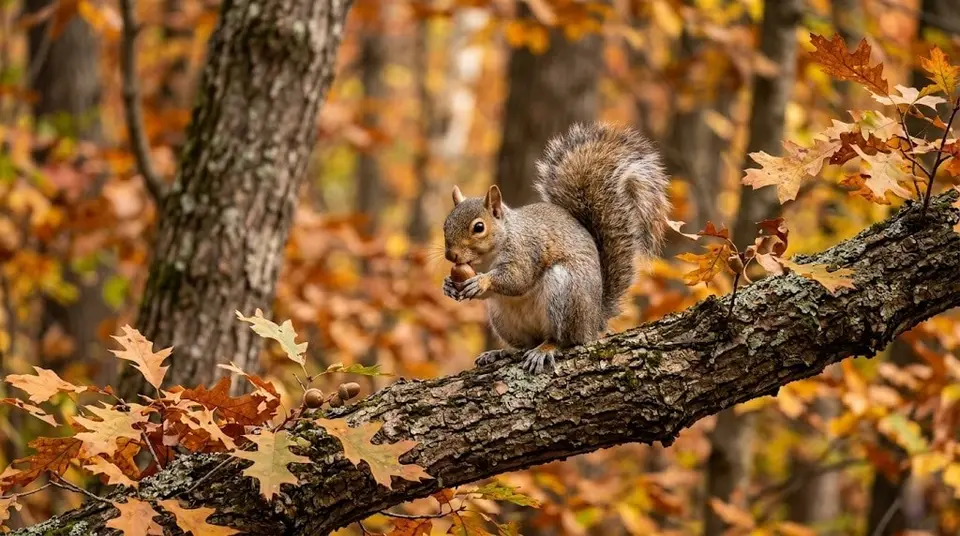
Squirrel and Rabbit Hunting
If you want to become a better hunter, start with small game. Squirrels and rabbits are abundant, widely distributed, and pursued with simple, affordable gear.
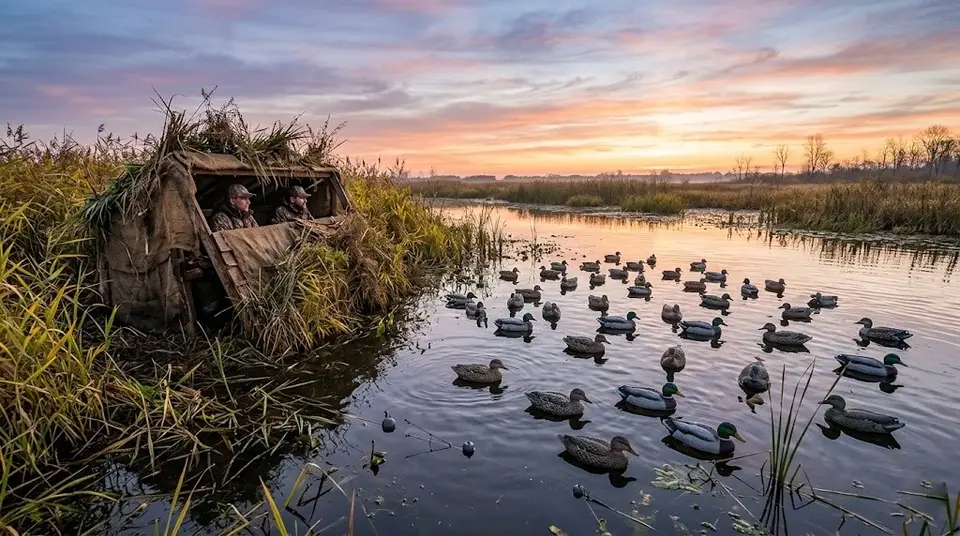
Duck Hunting: Setup and Strategy
Few hunting experiences match a frosty morning in a duck blind - the whistle of wings overhead, decoys riding the chop, and a Lab quivering with anticipation.
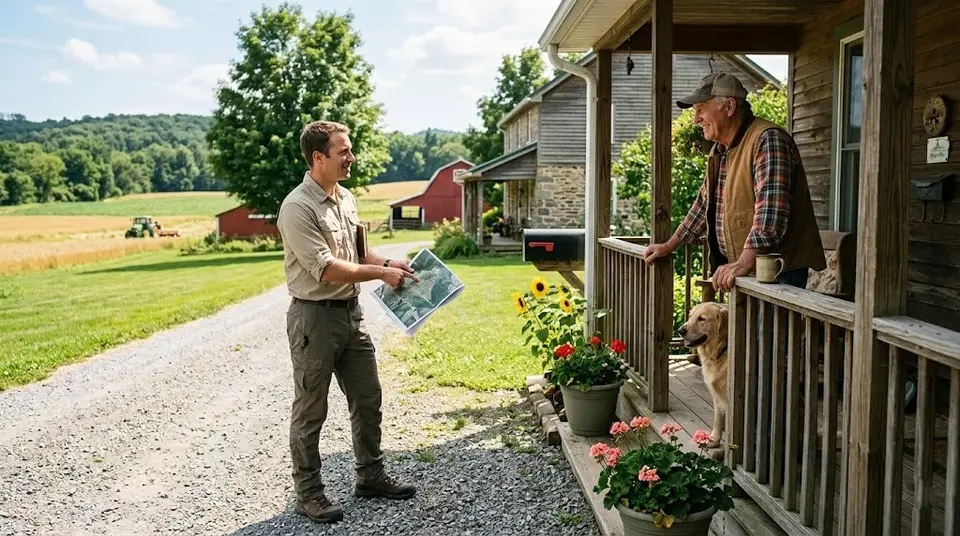
How to Ask Landowner Permission
Find the owner, ask face to face and well before the season, ask about their rules and goals, offer help in return, keep in touch after every visit, and ask again every year - following the Missouri Department of Conservation, Virginia DWR and Maine's hunter safety course.
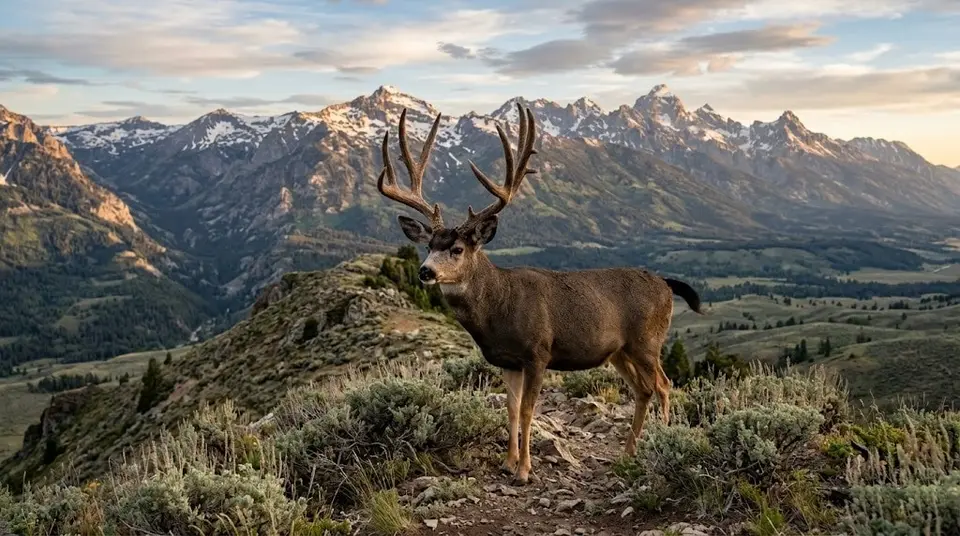
Mule Deer Hunting Out West
Mule deer basics for a western hunt: how to tell them from whitetails, getting fit and planning tags, glassing from vantage points, reading tracks, beds and rubs, stalking on a diagonal with the wind, ethical shots and packing out, following the Mule Deer Foundation, Wikipedia and the Alaska Bowhunter Safety Course.
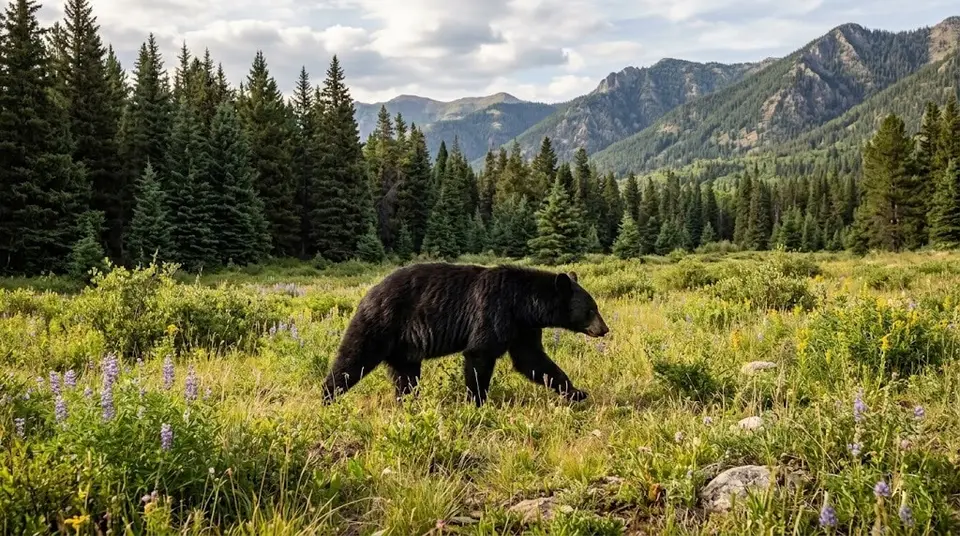
Black Bear Hunting Methods
Black bears are one of North America's most rewarding big-game animals to hunt.
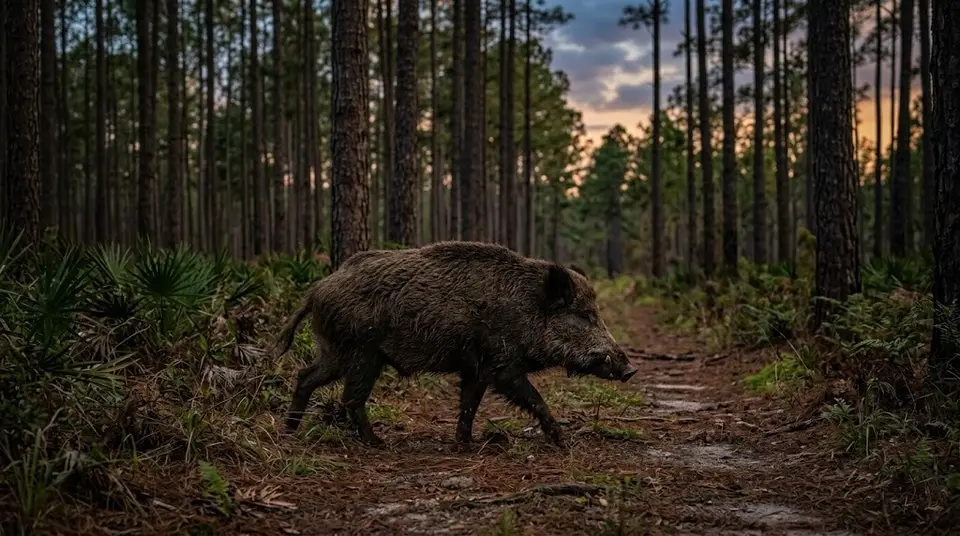
Wild Hog Hunting Tips
Wild hogs - also called feral hogs or wild boar - have spread across much of the southern and central United States.
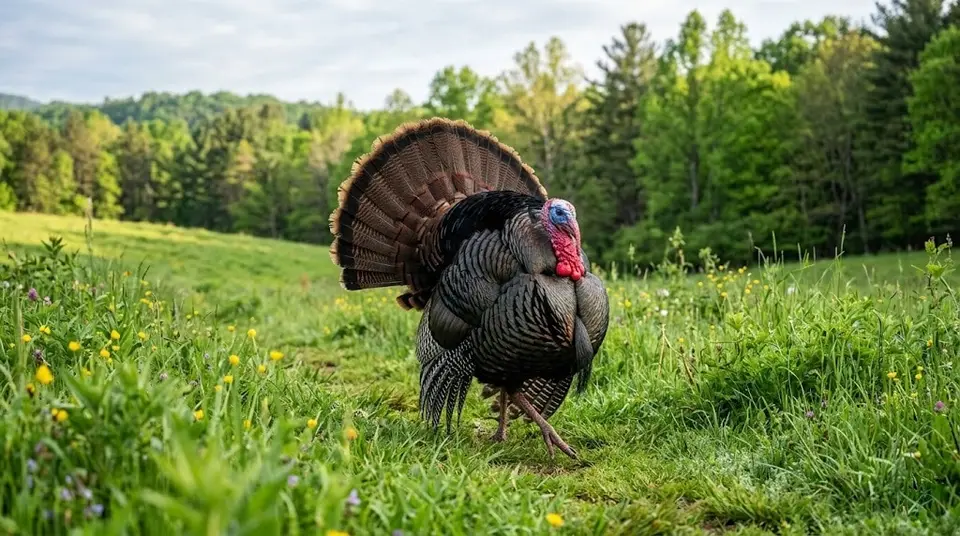
Spring Wild Turkey Hunting
Spring turkey hunting is one of the most exciting and accessible pursuits in North America.
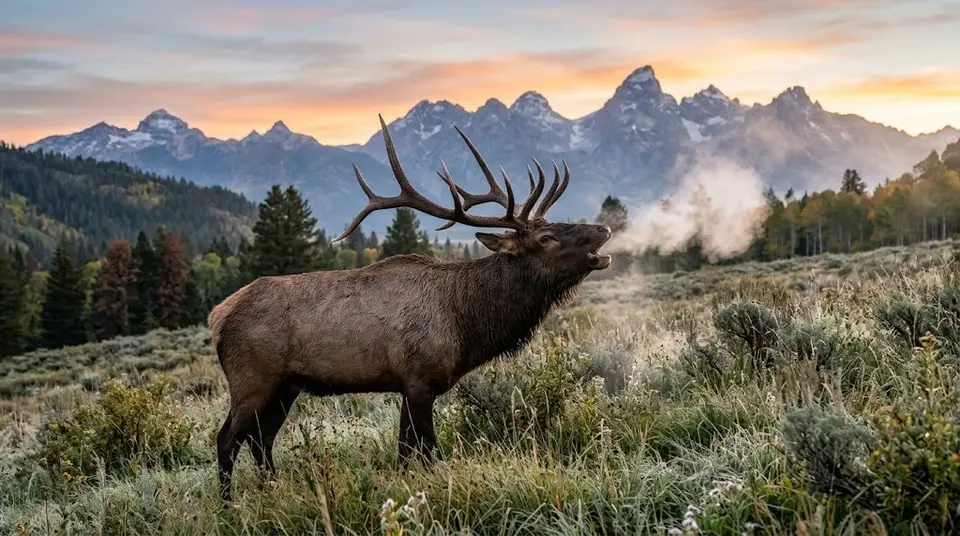
Elk Hunting for Beginners
Elk hunting for beginners: the pre-rut, rut and post-rut, bugles and cow calls, playing the wind in timber, fitness, tags, the pack-out and cooling meat, following Outdoor Life, the Alaska Bowhunter Safety Course and Penn State Extension.
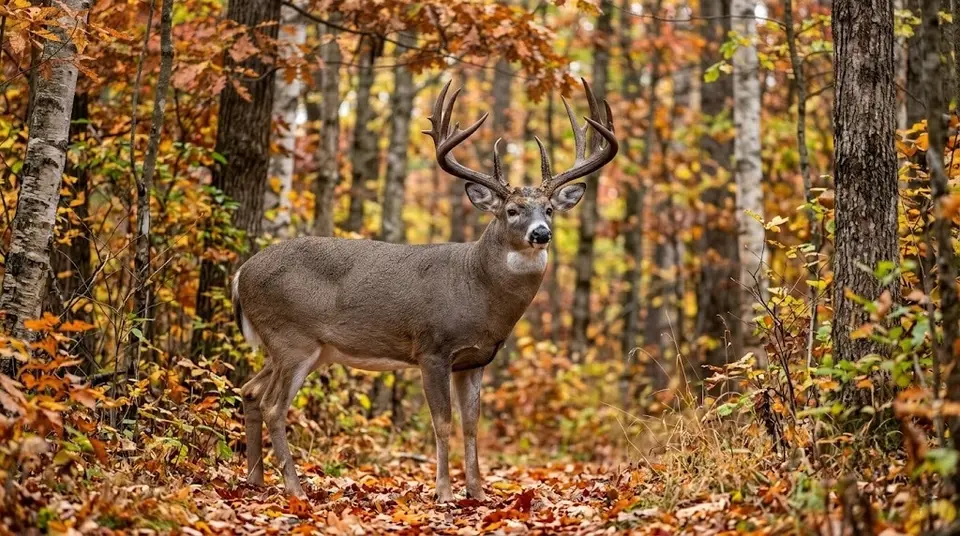
How to Hunt Whitetail Deer
The white-tailed deer is a popular big game animal across North America, and for good reason.
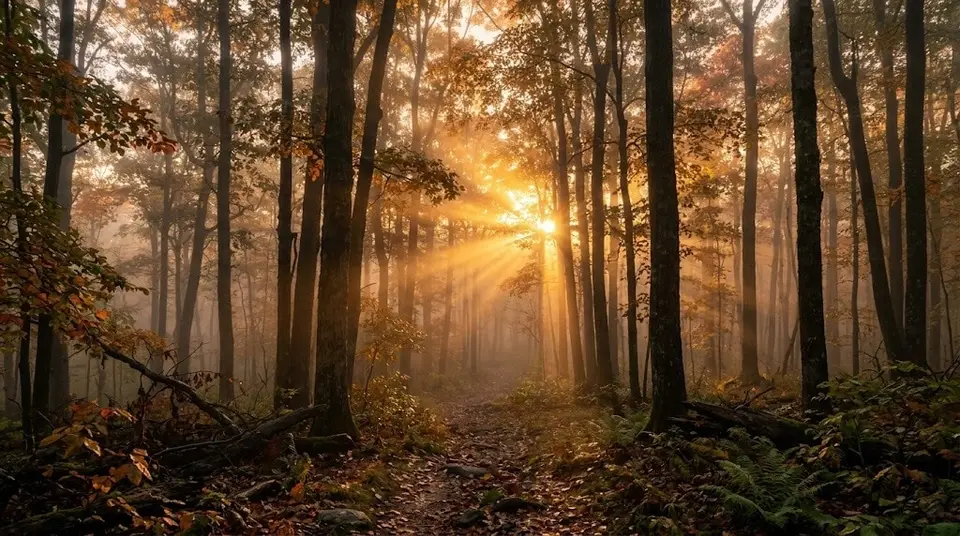
Best Times of Day to Hunt
Every hunter has heard the advice: "Hunt early, hunt late." There's real truth in it.
How Weather Affects Animal Movement
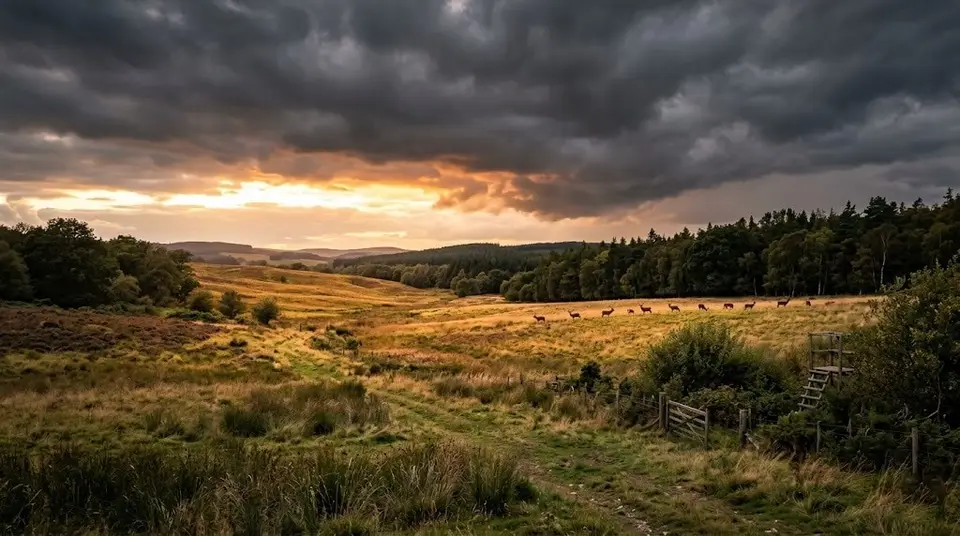
Ask any seasoned hunter for the secret to consistent success, and weather will come up fast.
Hunting in Cold and Snow
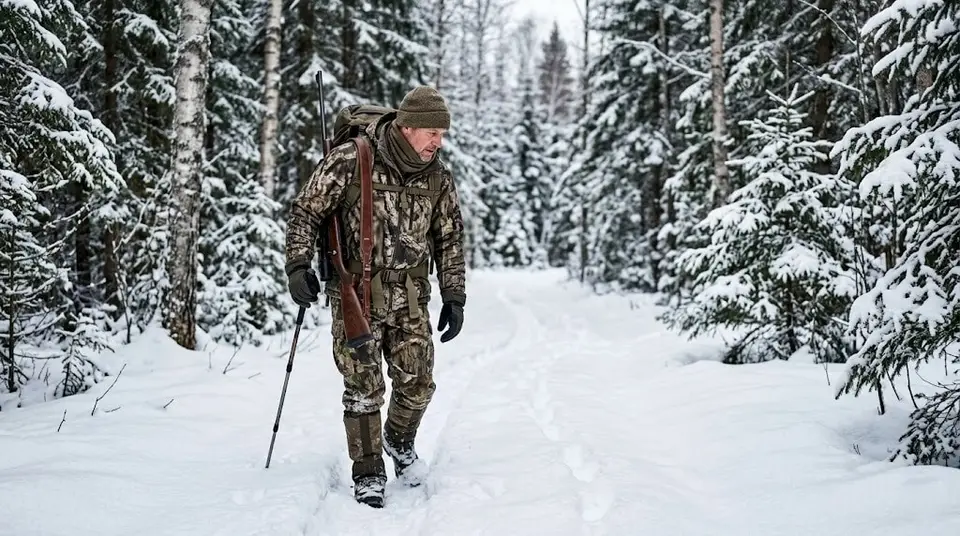
Hunting in cold and snow is a test of preparation, judgment, and grit.
Late-Season Hunting Tactics
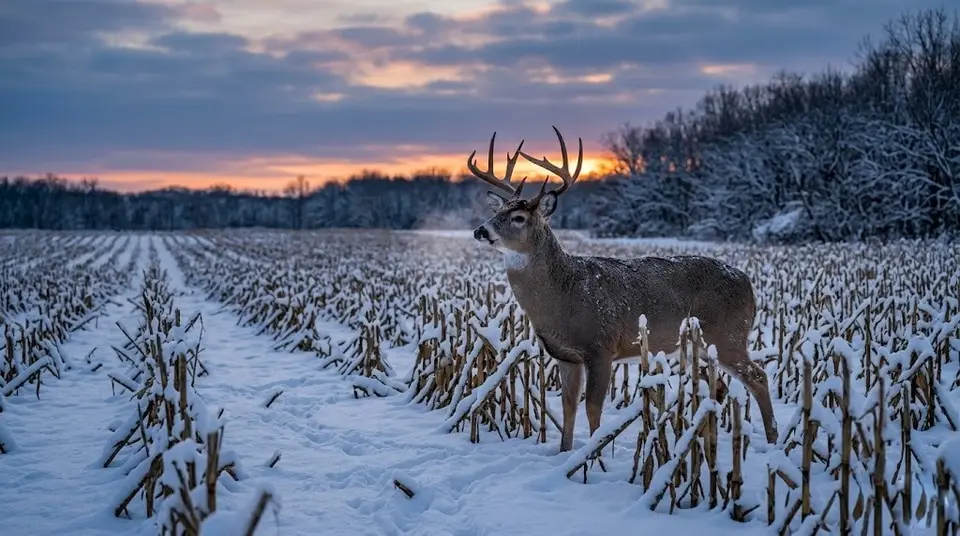
After the rut and under pressure, deer hold near cover and food and elk move into timber and down with snow. Setups, calling less and cold-weather safety, following Outdoor Life and the Alaska Bowhunter Safety Course.
Opening Day Tactics
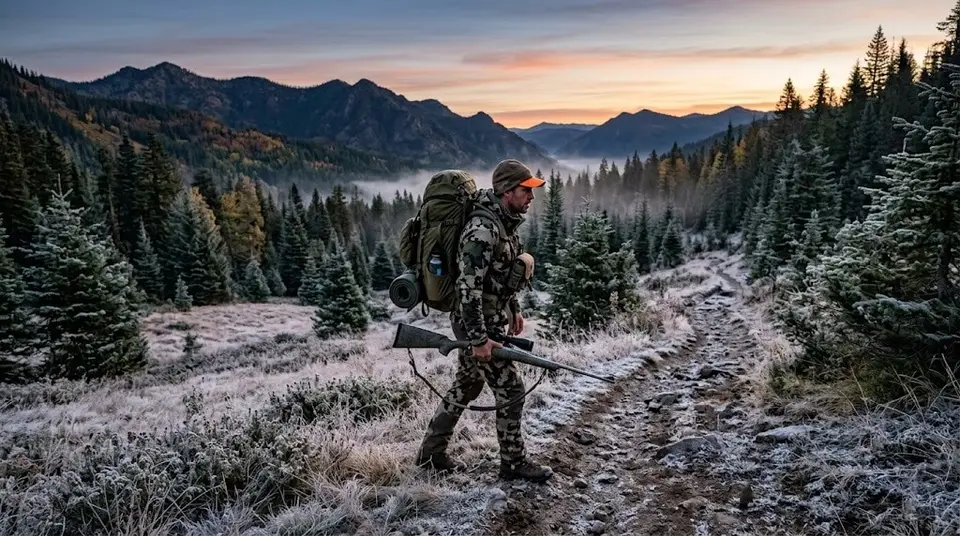
Opening day checklist: scouting and permission done early, your weapon sighted in, a hunting plan left with someone, a quiet approach with the wind, the first and last hours, the shot and safety, following state agencies and hunter education courses.
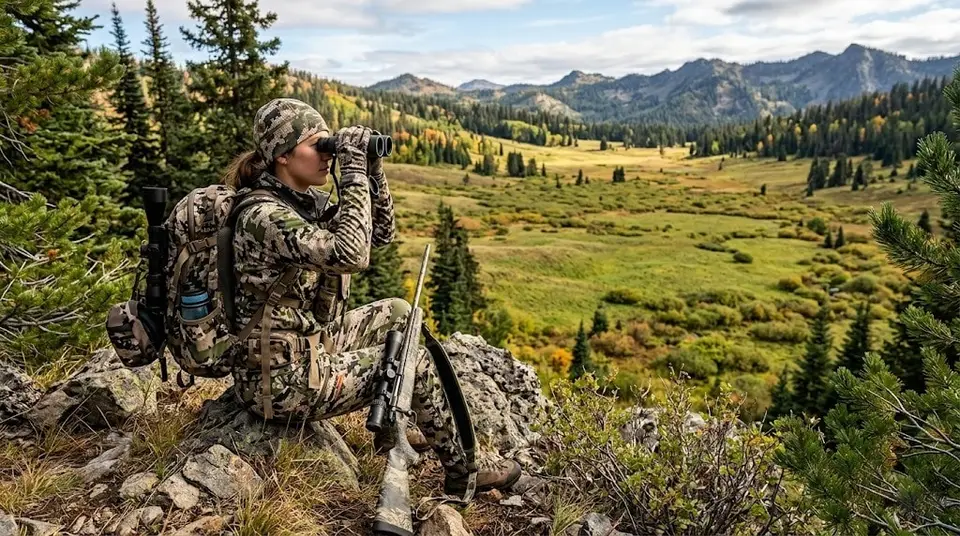
Early-Season Hunting Strategies
Early season means warm weather and game on summer patterns. Scouting and patterning, hunting food and water, calling sparingly, heat safety for you, cooling meat fast, and tree-stand safety, following the Alaska Bowhunter Safety Course, Penn State Extension and Outdoor Life's whitetail and elk writers.
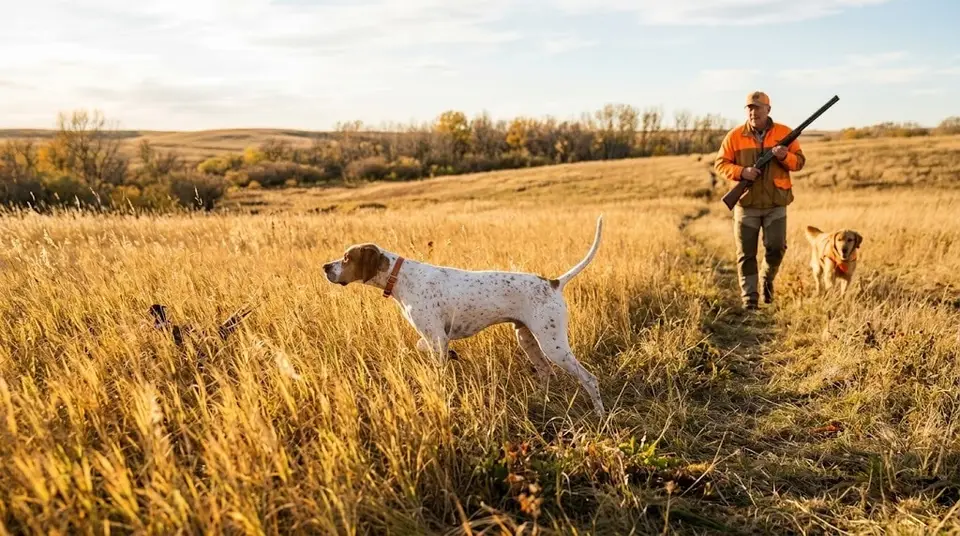
Upland Bird Hunting with Dogs
Pheasant, quail, grouse and woodcock over a dog: gun dog types, the 45-degree zone of fire, shots above shoulder height, hunter orange and caring for the dog, following hunter-ed.com, MassWildlife, Wikipedia and a Gun Dog Magazine trainer.
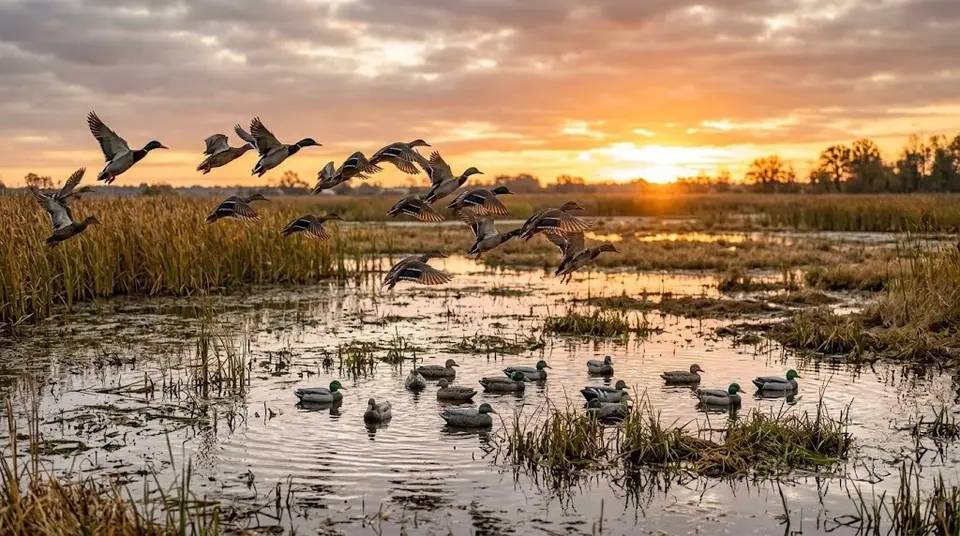
Waterfowl Hunting Basics
Few experiences in the outdoors match the thrill of watching a flock of mallards cup their wings and drop into your decoy spread as the sun breaks over a marsh.
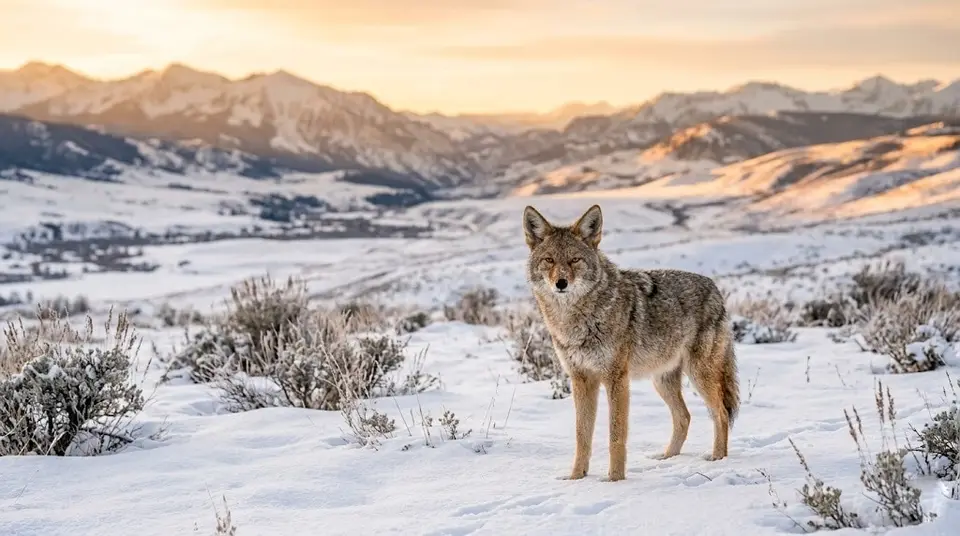
Predator Hunting: Calling Coyotes
Coyotes are abundant, challenging, and huntable across long seasons in much of the country.
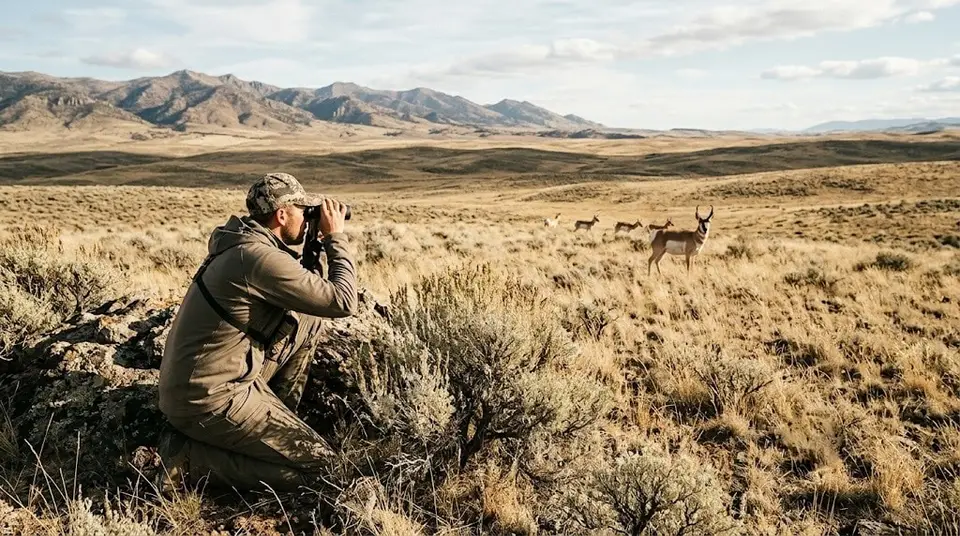
Antelope Hunting: Open Country Tactics
Pronghorn live in the most exposed country in North America. Where the tags are, how a draw works, and the glassing and stalking that open ground demands.
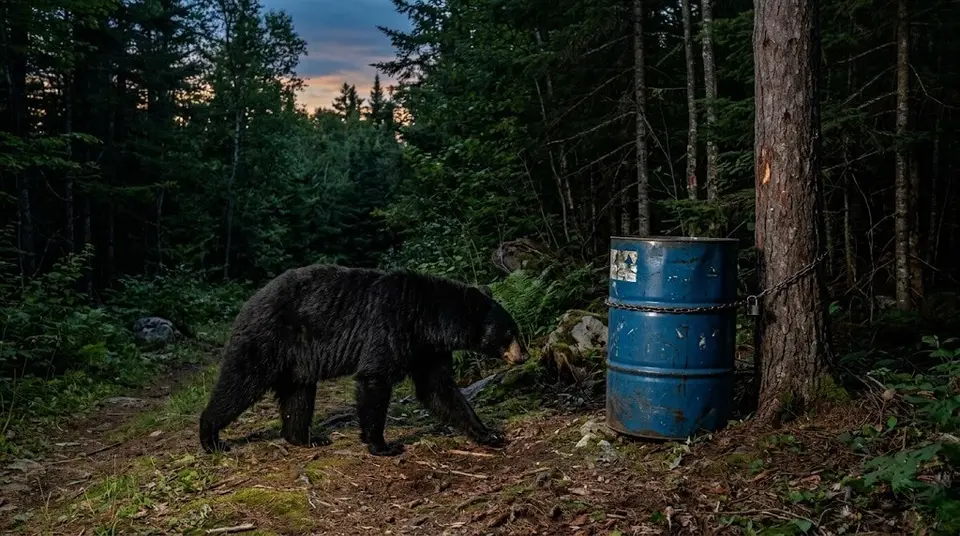
Bear Hunting with Bait
Bear baiting is legal in some states, banned in others, and tightly regulated wherever it is allowed. What eight state wildlife agencies publish about permits, bait and timing, plus the CDC's warning about bear meat.
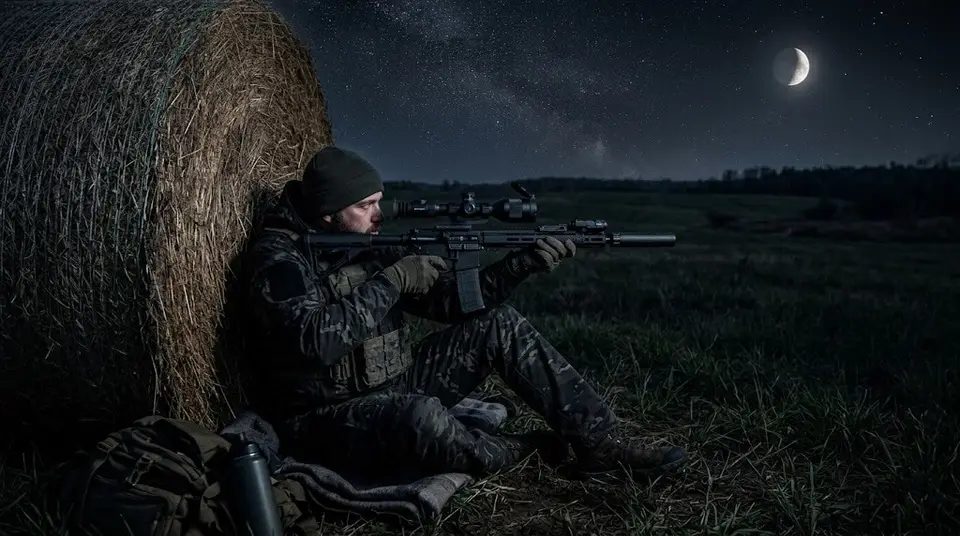
Coyote Night Hunting: Calls, Lights, Thermals
Coyotes move mostly after dark, and night hunting puts you on the predator's schedule - where your state allows it. Lights versus thermal, a simple calling sequence, wind, and the legal checks to make first.
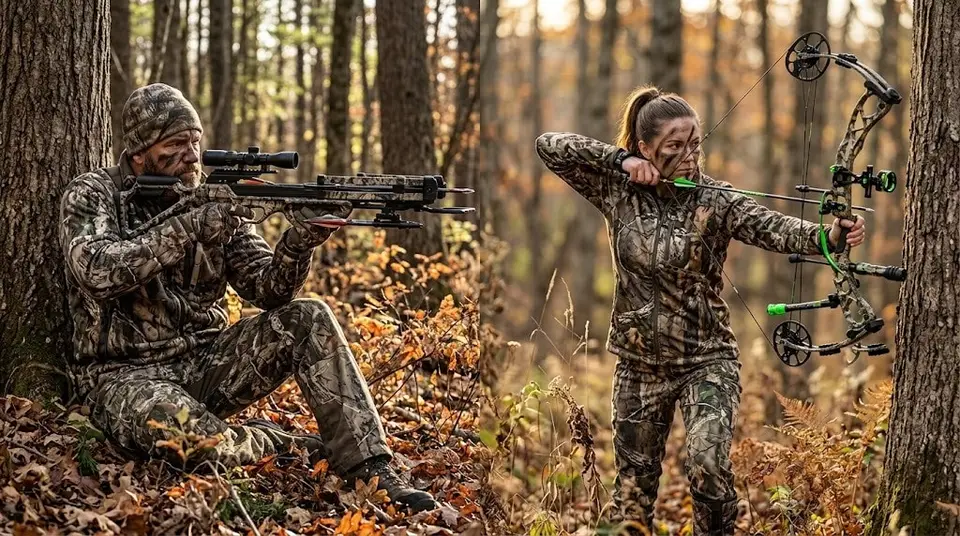
Crossbow vs Compound Bow
How a crossbow's short power stroke compares with a compound bow's, range and noise, cocking, holding and shooting safely, crossbows in tree stands, uncocking, and checking whether your state allows crossbows in archery season, following the Nebraska and Alaska bowhunter safety courses.
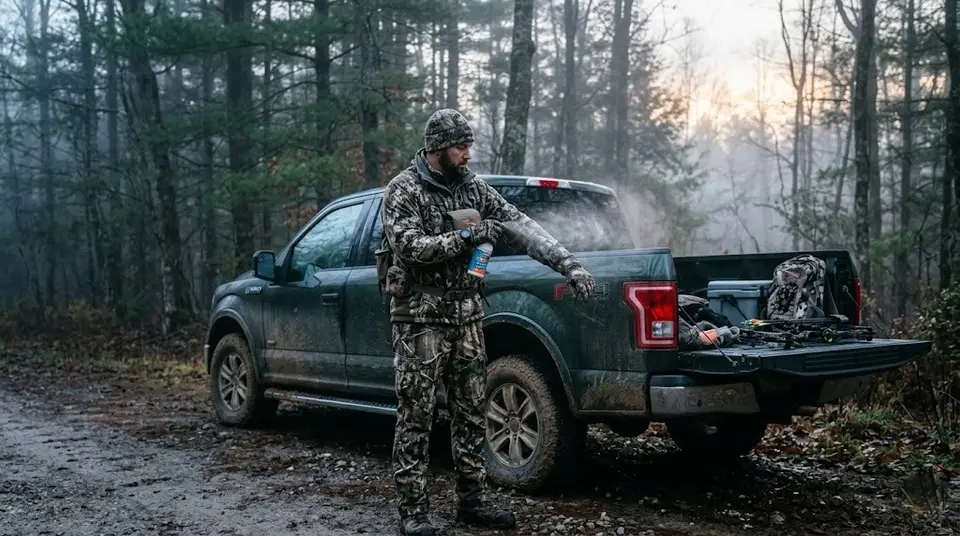
Deer Scent Eliminators Compared
Sprays, carbon suits, ozone - what the published tests of scent control found, what a Penn State deer researcher concluded, the EPA's caution about ozone, and why the wind still decides.
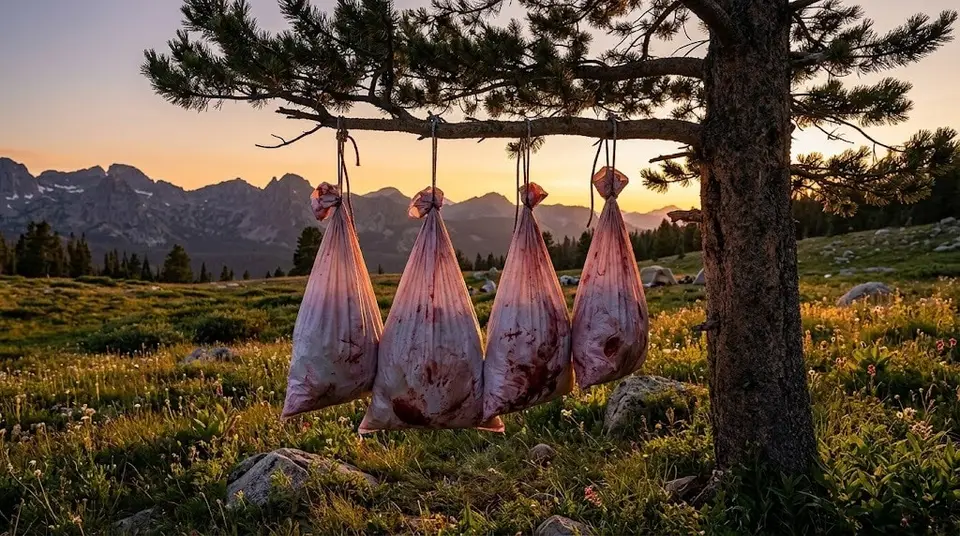
Elk Game Bags & Meat Care
Elk meat care in the field: breathable game bags, cooling the meat fast to 35-40°F, the order to pack it out in - and the evidence-of-sex rule to read before you start cutting.
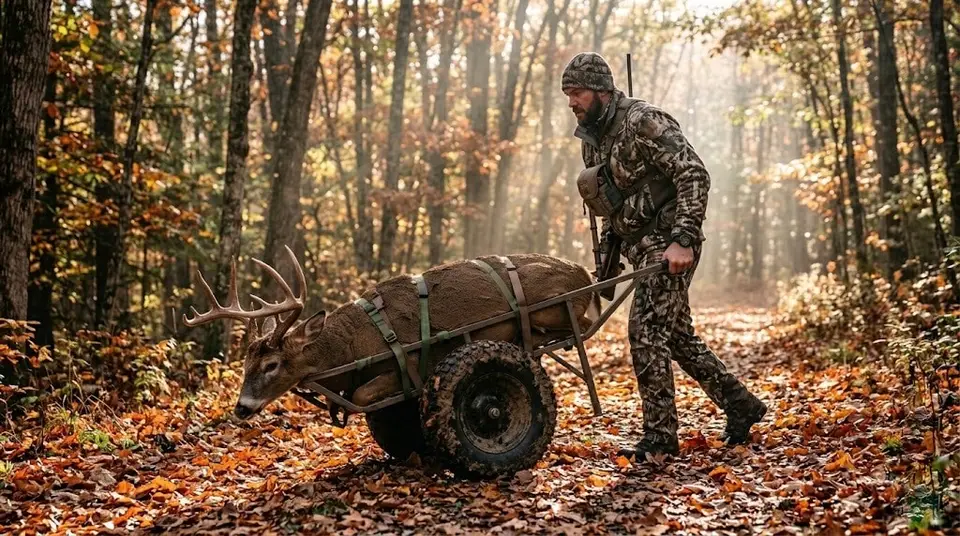
Game Carts for Retrieval
When a game cart helps get a deer out, one wheel or two, what to compare, loading and strapping, keeping the carcass clean and cool, and checking the land manager's rules on carts, following the Alaska Bowhunter Safety Course and Penn State Extension.
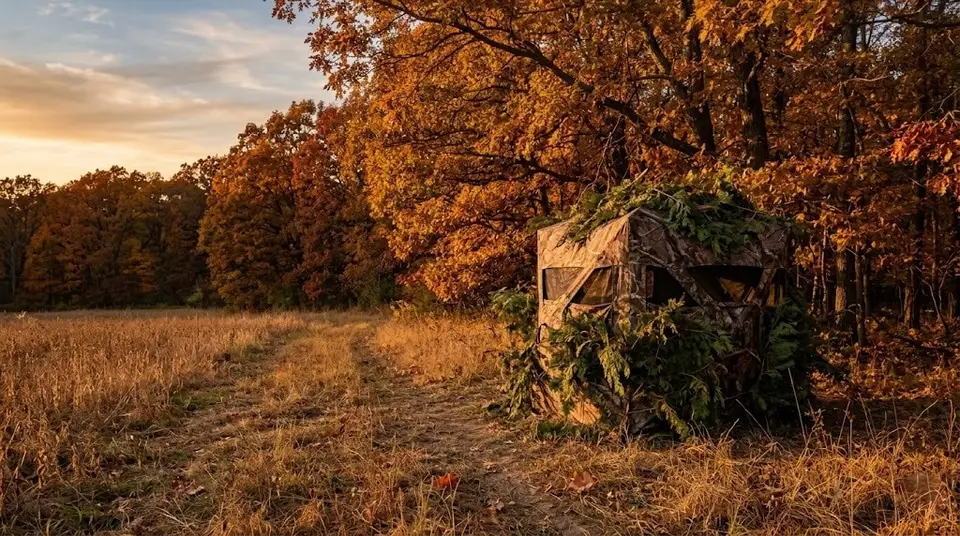
Ground Blind Setup Guide
Where to put a ground blind (downwind or crosswind of trails, food and water), natural vs. cloth blinds, clearing the floor, face and hand camouflage, staying still, safe shooting directions, and the pros and cons of blinds vs. tree stands, following the Alaska Bowhunter Safety Course.
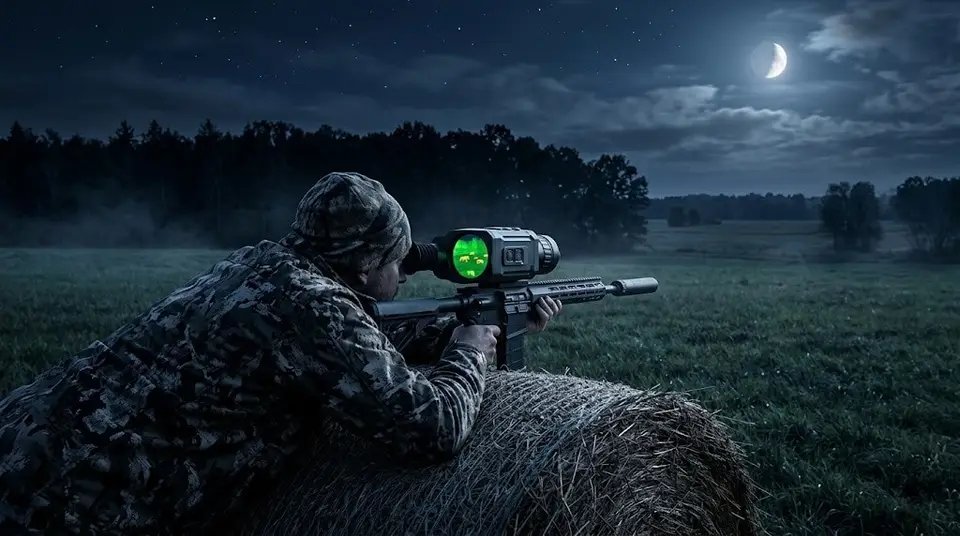
Hog Night Hunting: Thermal Gear
Night hunting for feral hogs is open in some states, licensed in others and prohibited in a few. What five state agencies say, how thermal and night vision differ, and what the CDC says about handling and cooking the meat.
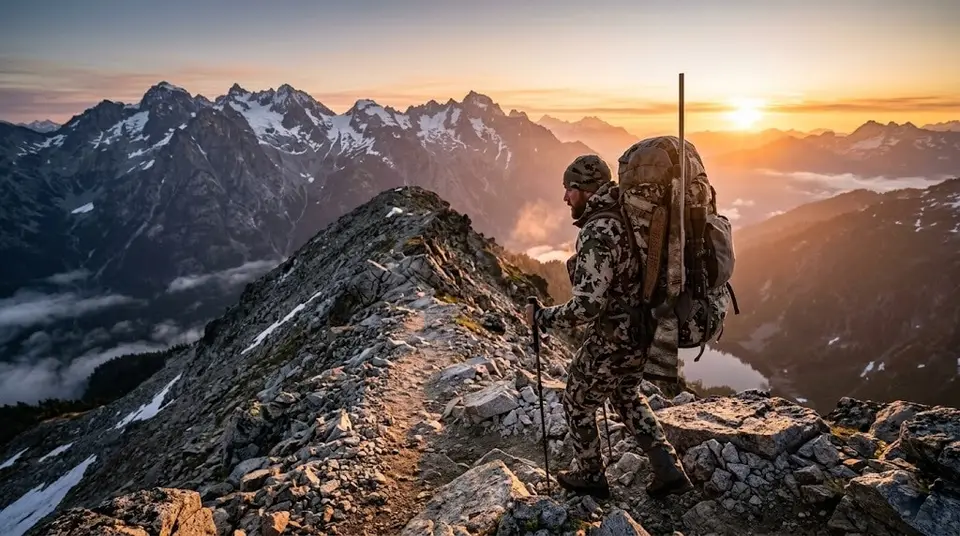
Hunting Backpack Frame Types
Frameless, internal-frame and external-frame packs: how a frame moves weight from shoulders to hips, which suits day hunts, backcountry trips and hauling meat, fit, and planning loads for packing out an elk, following Wikipedia, the Alaska Bowhunter Safety Course and Penn State Extension.
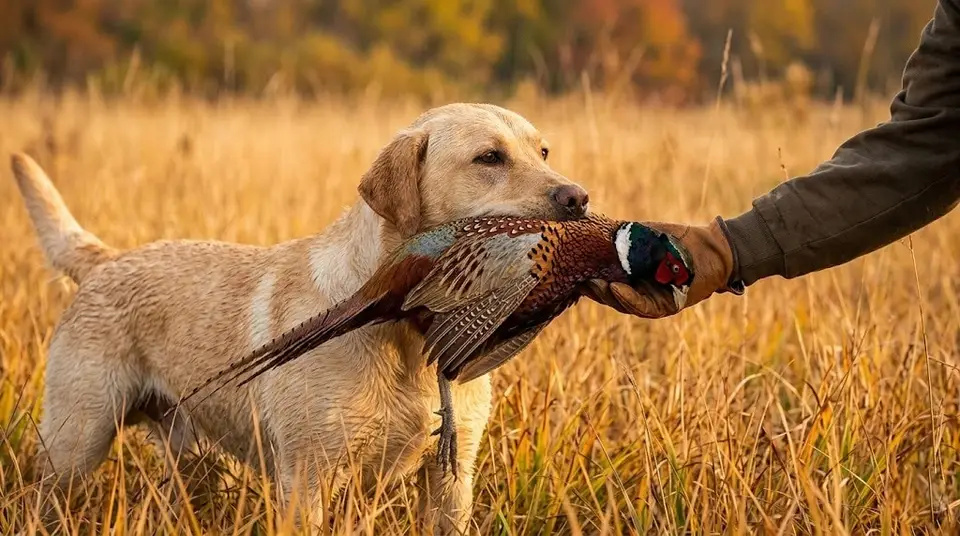
Hunting Dog Training Basics
Gun dog types, obedience before hunting, bird drive and a step-by-step introduction to gunfire, plus safety for dogs in the field, following Wikipedia, a Gun Dog Magazine trainer and MassWildlife's hunter education lesson.
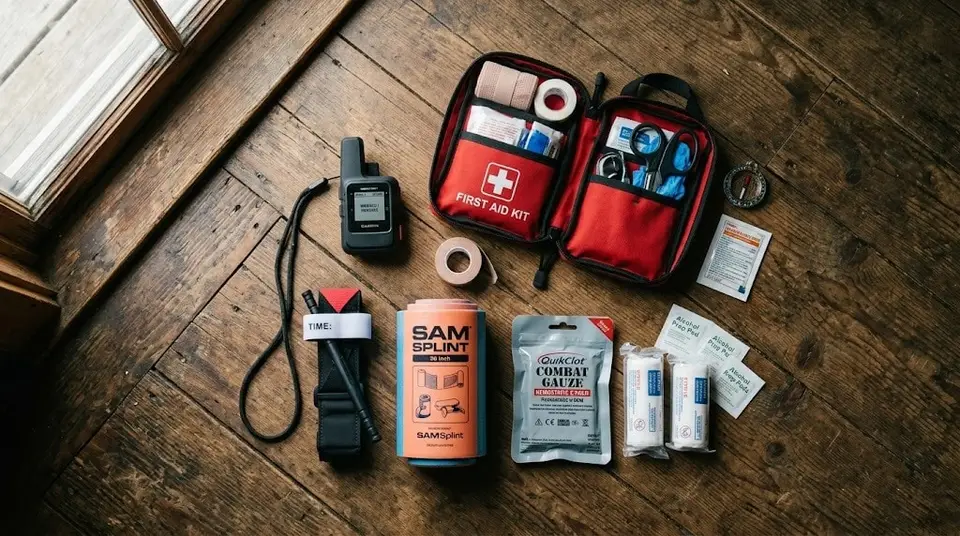
Hunting First Aid Kit
A backcountry hunting first aid kit weighs about a pound and can save your life.
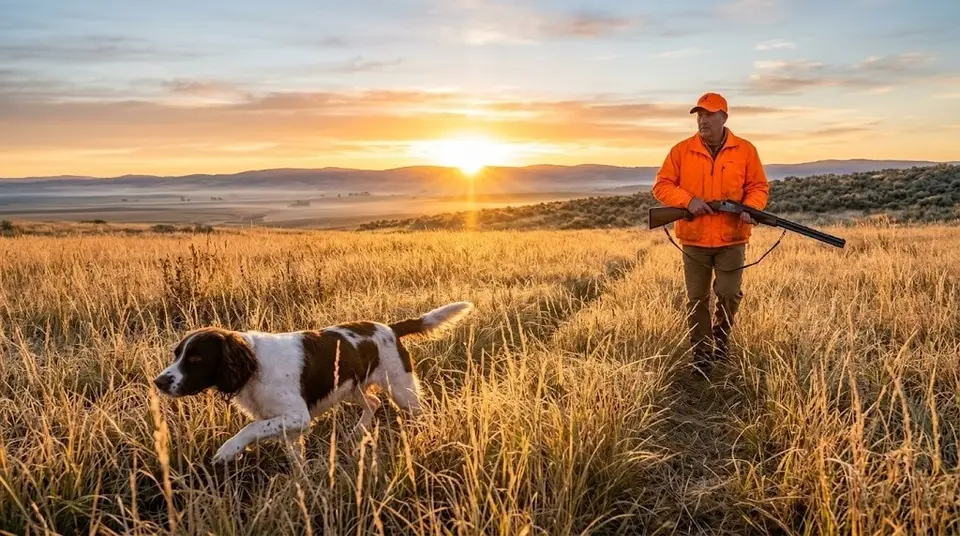
Hunting GPS Units 2026
Three kinds of hunting GPS - dog-tracking handhelds, satellite communicators and mapping handhelds: what each is for, what the maker says about range and battery life, and what to check before buying.
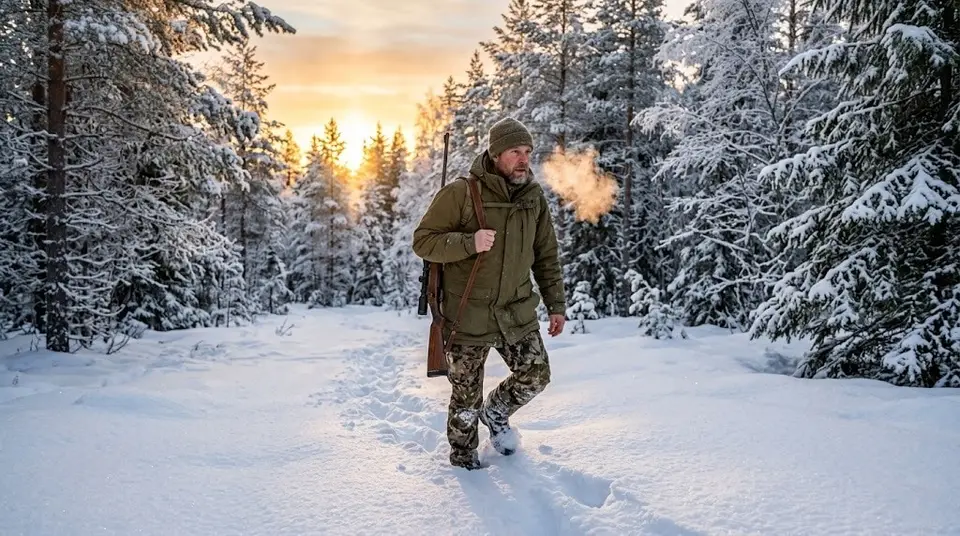
Hunting in Snow
Snow turns the woods into a transparent book. The gear, the tactics and the cold-weather rules that matter when temperatures drop below freezing.
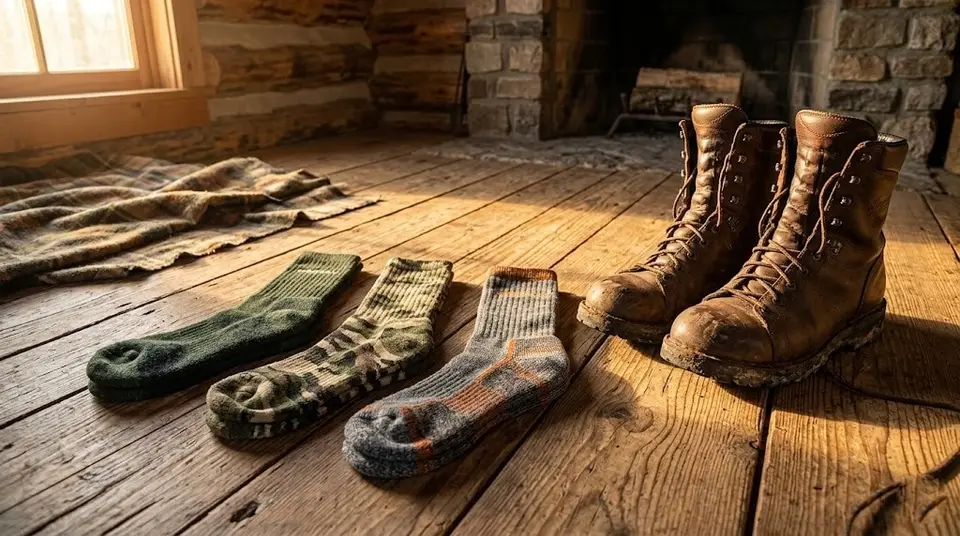
Hunting Socks: Merino vs Synthetic
Why cotton socks are a poor choice in cold, wet weather, what merino wool and synthetics each do, layering with a liner, matching socks to boots, keeping feet dry against hypothermia, and when to replace socks, following the Alaska Bowhunter Safety Course and Wikipedia.
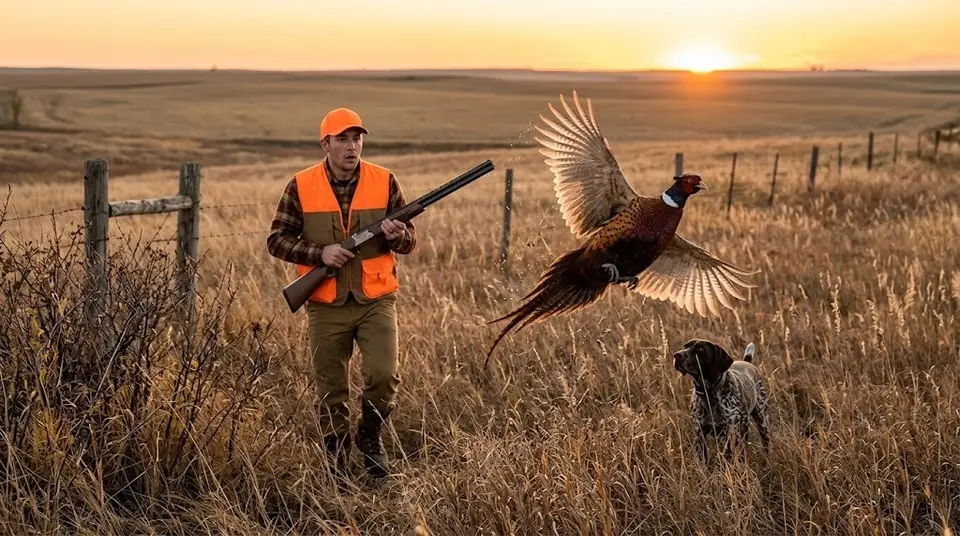
Pheasant Hunting for Beginners
What a brand-new pheasant hunter actually needs: the gun, the gear, the public land options, and the truth about whether you need a dog.
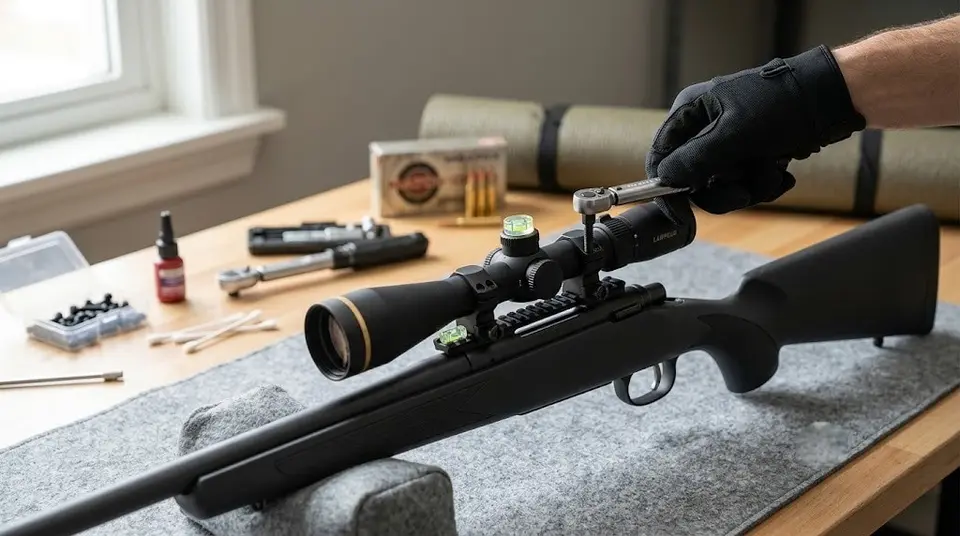
Rifle Scope Mounting Guide
How scope bases and rings work, matching ring size to the scope tube, the common rail types, a mounting checklist (clean, level, eye relief, torque to the maker's values), bore sighting, and the first range check, following Wikipedia, Alaska Fish and Game and the makers' manuals.
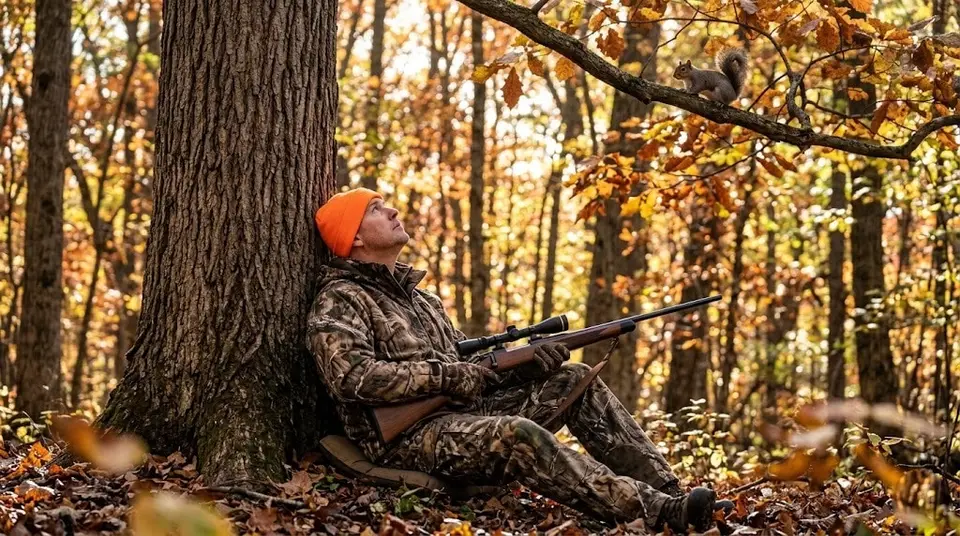
Squirrel Hunting with a .22
Squirrel hunting with a .22 rifle is cheap and builds real marksmanship. Set up the rifle right, find the load it shoots best, and keep shots inside the range you have practiced.
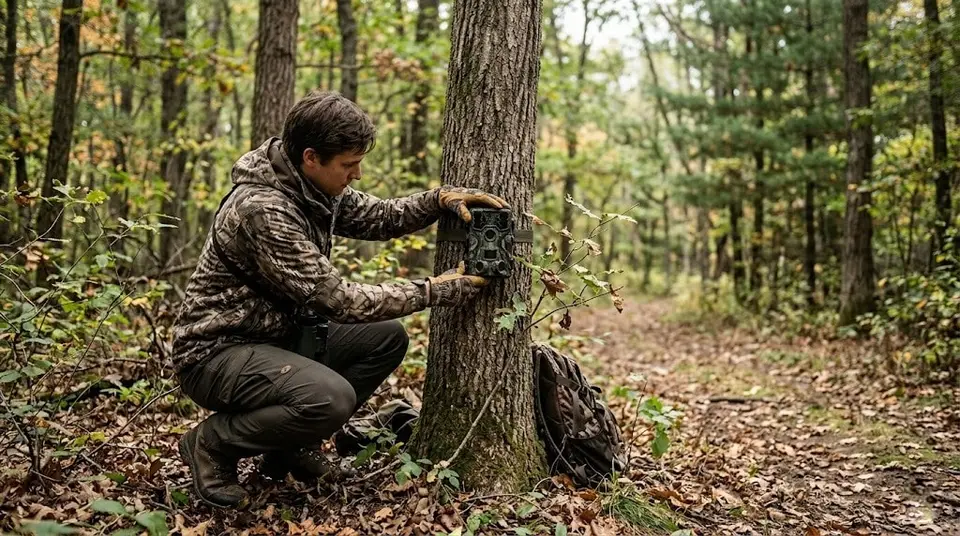
Trail Camera Placement Tips
How trail cameras trigger, where to place them (trails, beds, water, food), no-glow vs. flash, false triggers, cellular cameras, batteries, checking them quietly and the rules on cameras, following Wikipedia and Penn State deer research.
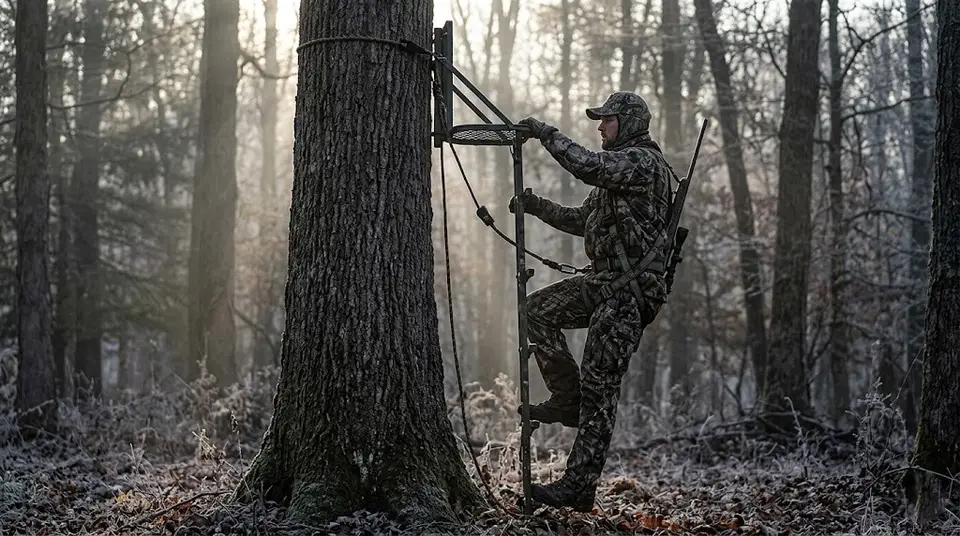
Tree Stand Safety Harnesses Compared
What state wildlife agencies say about tree stand safety: a full-body harness, a lifeline that keeps you connected from the ground up, three points of contact, a haul line - and what to do if you are left hanging.
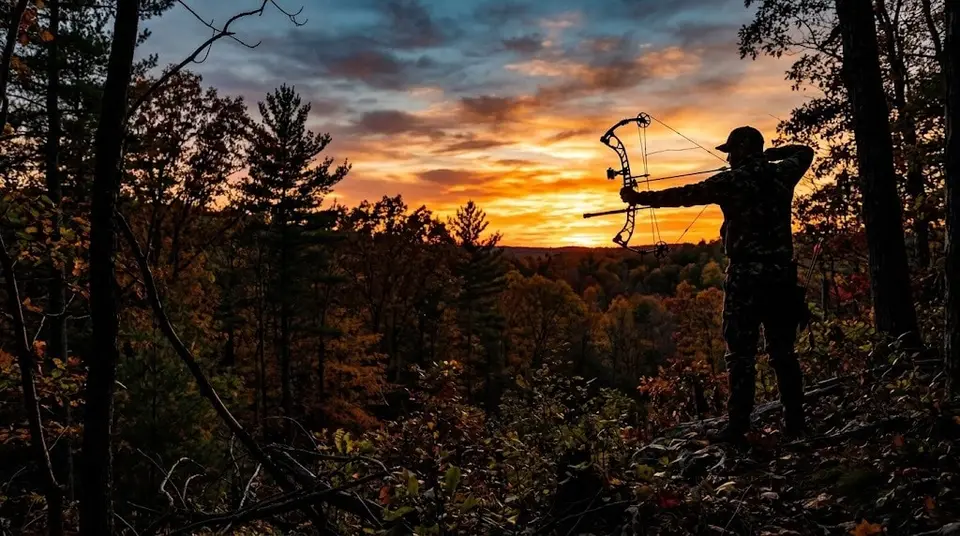
Bowhunting for Beginners
Choosing and fitting a first bow (dominant eye, draw length, draw weight), matched arrows, archery safety rules, practice, effective range, shot placement, and the course and rules to start with, following the Alaska Bowhunter Safety Course.
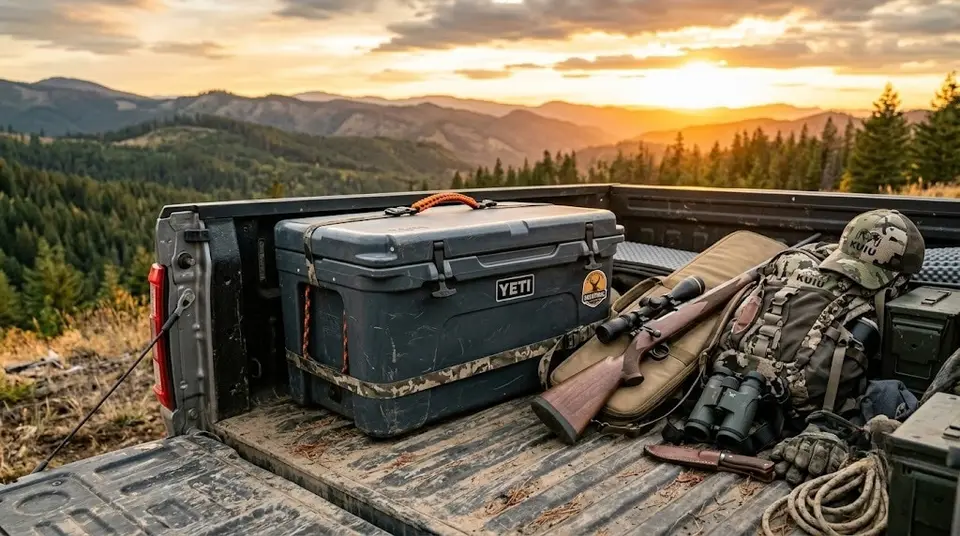
Choosing a Cooler for Game Meat
Why game meat must be cooled fast and kept at 40°F or below, how a cooler fits into field care, sizing for deer and elk, bagging and ice, keeping meat out of the sun, bear-resistant coolers and what IGBC certification means, following Penn State Extension, NMSU and the Interagency Grizzly Bear Committee.
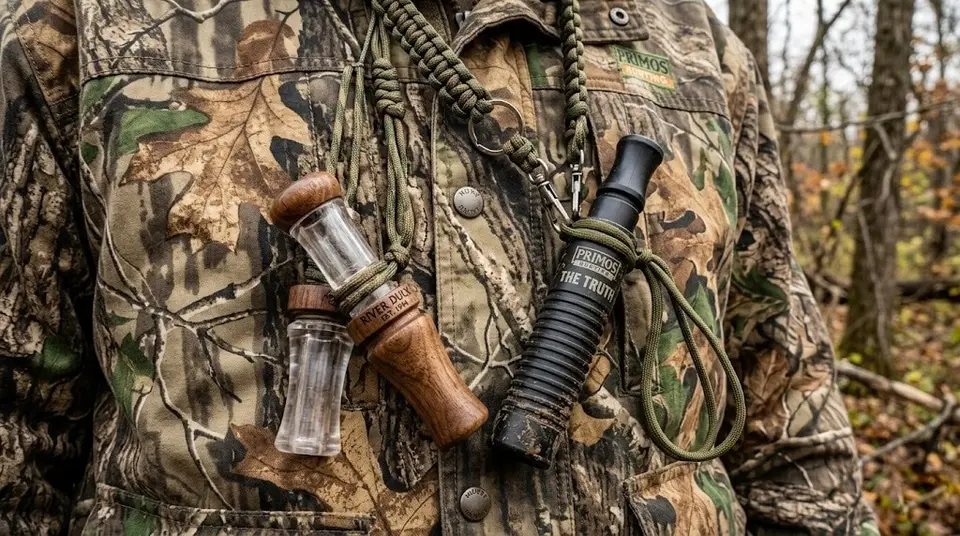
Best Game Calls for Deer & Elk
The main call types for whitetails (grunt tube, bleat can, rattling), elk (bugle, cow call, diaphragm) and turkeys (box, slate, mouth call), what each sounds like and when hunters use it, plus the rules on electronic callers, following hunter-ed.com, Outdoor Life and Wikipedia.
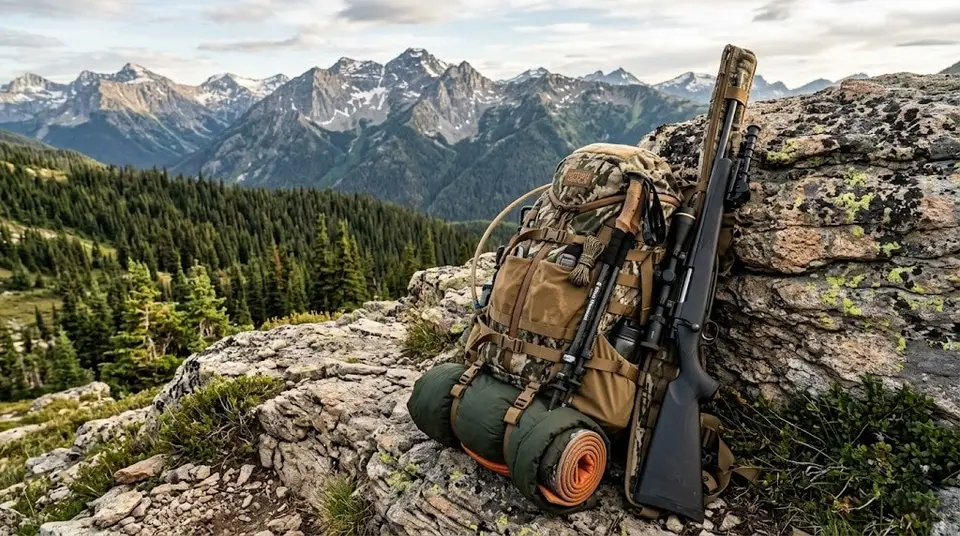
Best Hunting Backpacks, Compared
Five hunting backpacks compared from their makers' specs, from a tree-stand day pack and a saddle hunting pack to a multi-day meat hauler, plus capacity, frame and fit.
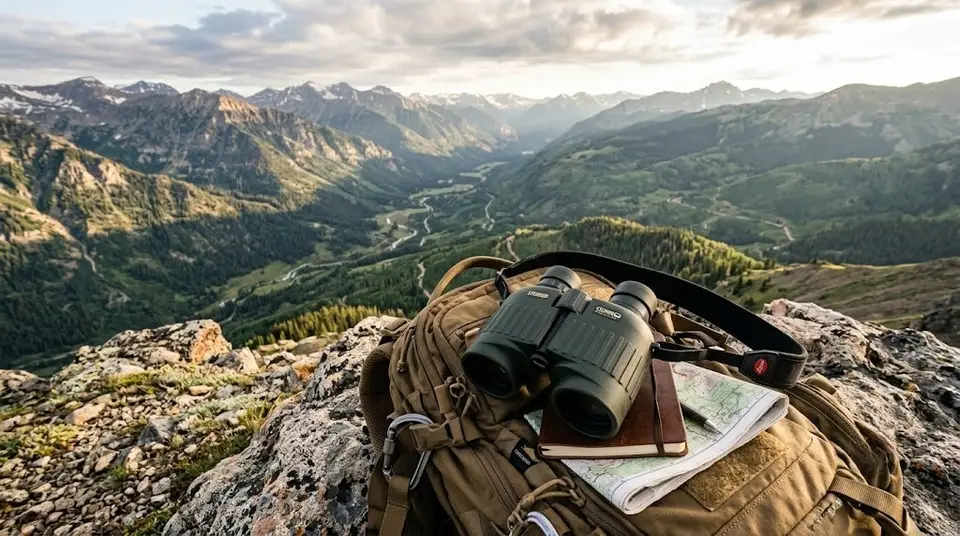
Best Hunting Binoculars, Compared
Five 10x42 hunting binoculars compared from their makers' specs - weight, field of view, close focus, eye relief and glass - plus how to choose magnification and glass for timber or open country.
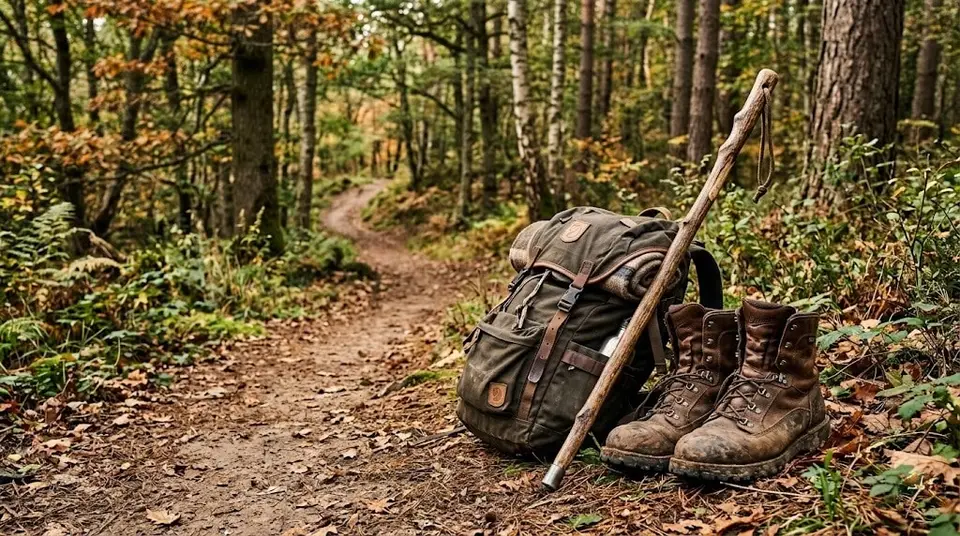
Best Hunting Boots by Terrain
Five hunting boots compared from their makers' specs - rubber, light, all-round and mountain - with insulation, height and what each suits, plus how to choose by terrain, insulation and fit.
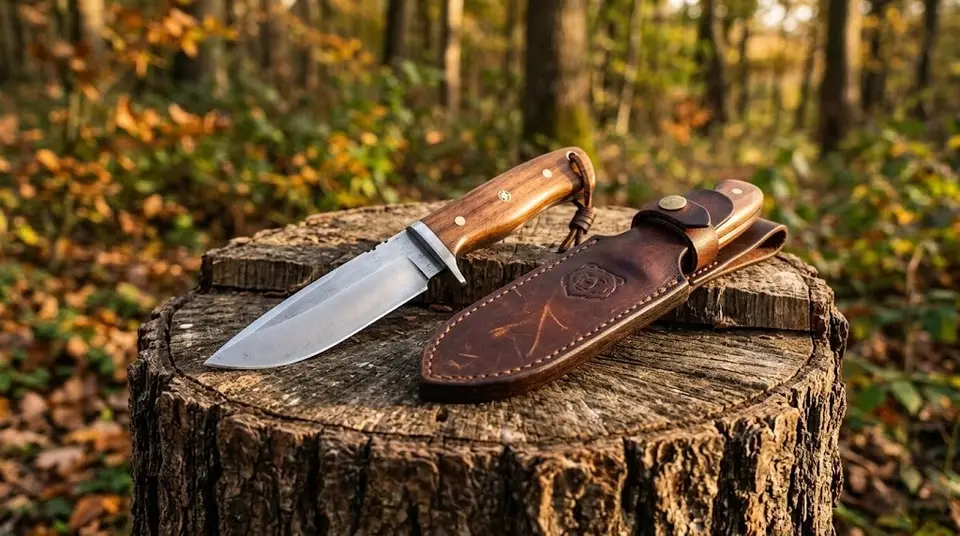
Best Hunting Knives With Sheaths
Four hunting knives with sheaths compared from their makers' specs - two fixed blades and two replaceable-blade knives - by blade length, steel, weight and sheath, plus how to choose a field-dressing kit.
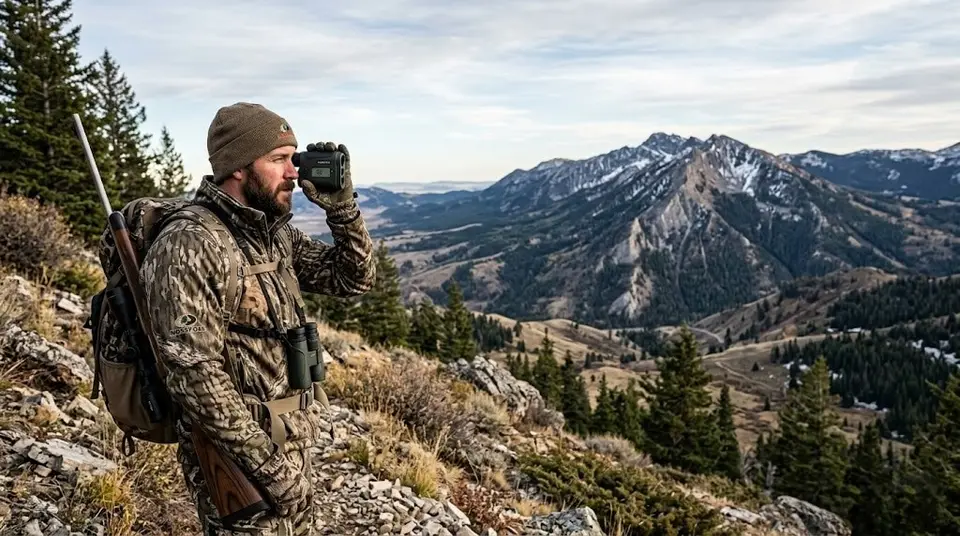
Best Rangefinders for Hunting
Three hunting rangefinders compared from their makers' specs - range on reflective targets and deer, angle compensation, weight and extras - plus how to choose between bow and rifle units.
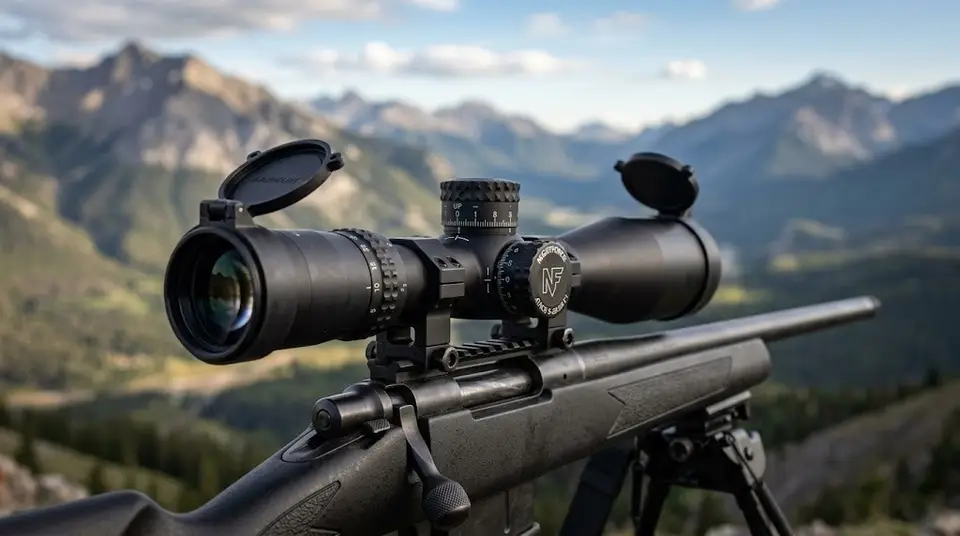
How to Choose a Rifle Scope
What scope numbers like 3-9x40 mean, objective size, exit pupil and brightness, eye relief, first vs. second focal plane reticles, parallax adjustment, and what to check about mounting and sighting in, following Wikipedia's telescopic sight article and Alaska Fish and Game.
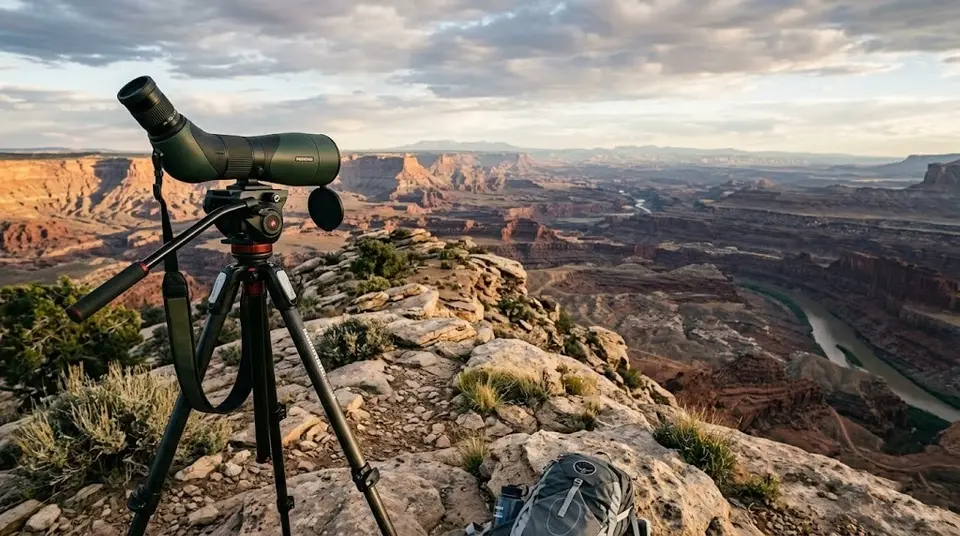
Best Spotting Scopes for Hunting
Four hunting spotting scopes compared from their makers' specs - magnification, objective, weight, length, close focus and glass - plus how to choose magnification, eyepiece angle and a tripod for western big game.
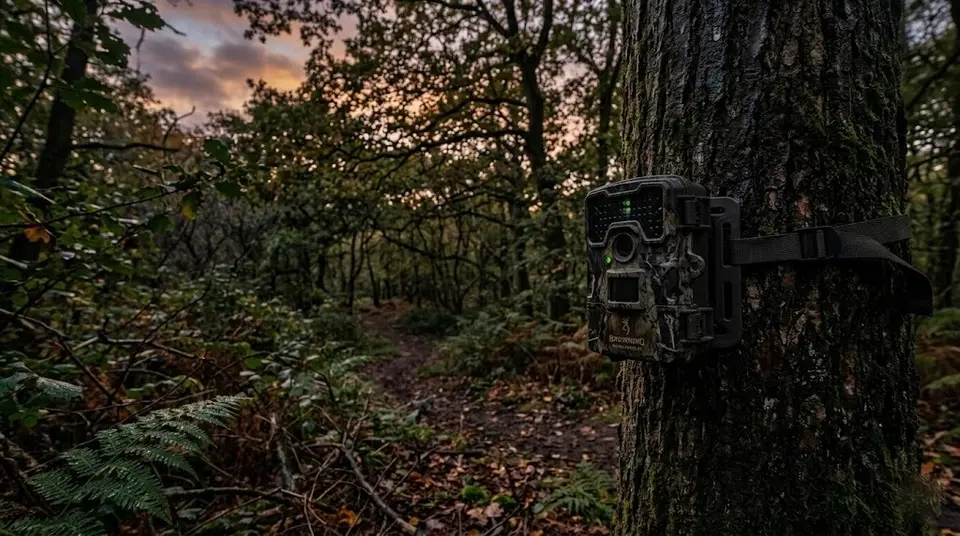
Best Trail Cameras, Compared
Four trail cameras compared from their makers' specs - two standard, two cellular - by trigger speed, detection and flash range, flash type and power, plus how to choose by ground, budget and data plan.
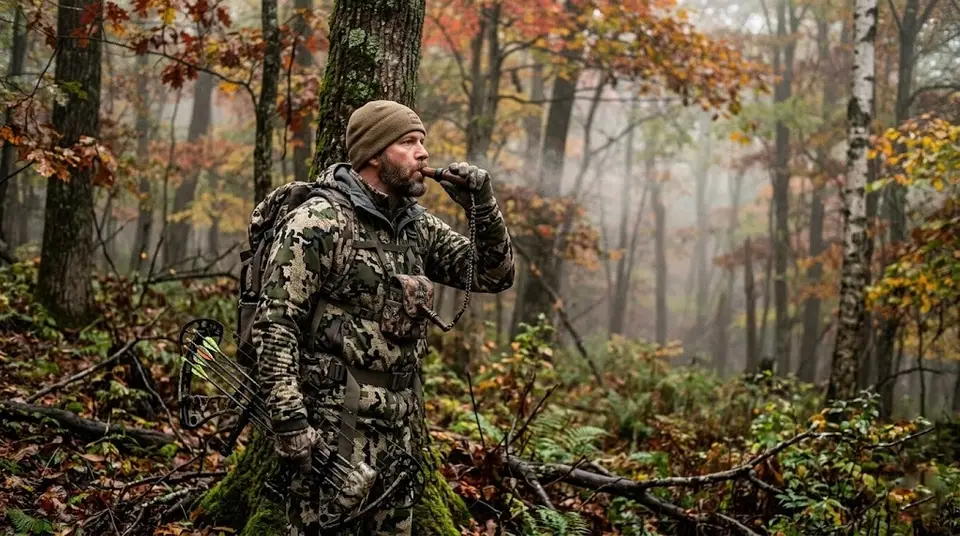
Calling Tactics for Deer and Elk
Whitetail grunts, bleats and the tending grunt, when to call and when to stay quiet, and elk bugles and cow calls through the pre-rut, rut and post-rut, from Outdoor Life's whitetail and elk experts and Wikipedia - experienced hunters' methods, not rules.
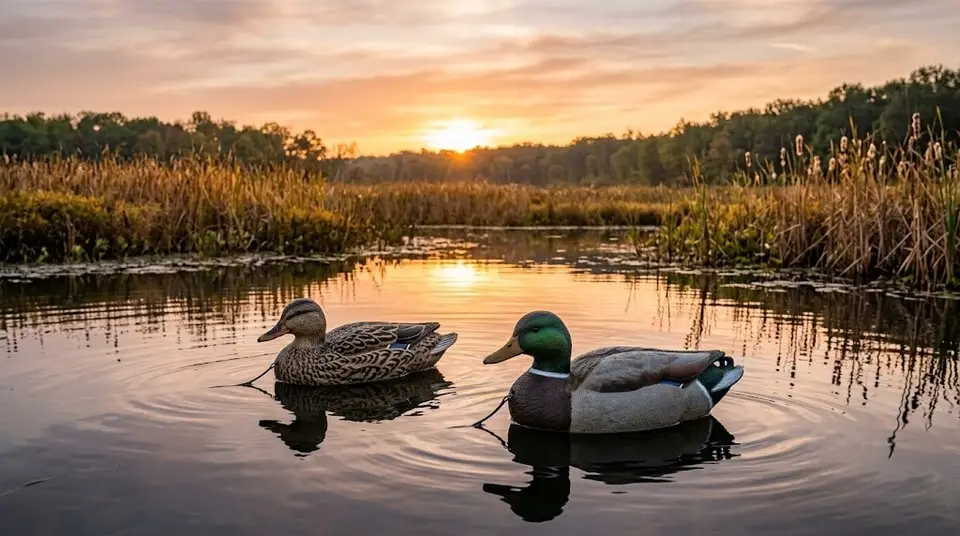
Decoy Strategies That Work
Decoy safety first (open fields only, never in timber or on heavily hunted public land, carried in a bag, hunter orange nearby), then a spring turkey field setup from the Missouri Department of Conservation: scouting, a 20-yard spread, shooting lanes and patience, plus notes on deer and waterfowl decoys.
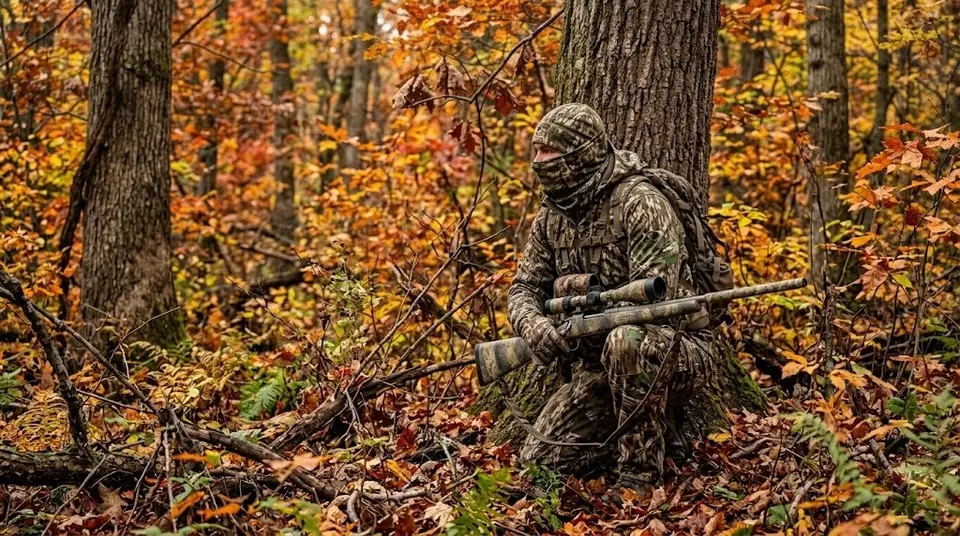
How to Choose Hunting Camo
What camouflage does and doesn't do, contrast in patterns, covering face and hands, dulling shine, quiet fabrics and fit, layering with wicking, wool and synthetics (and why not cotton), rain gear, and the fluorescent orange rules that come first, following the Alaska Bowhunter Safety Course and state hunter education.
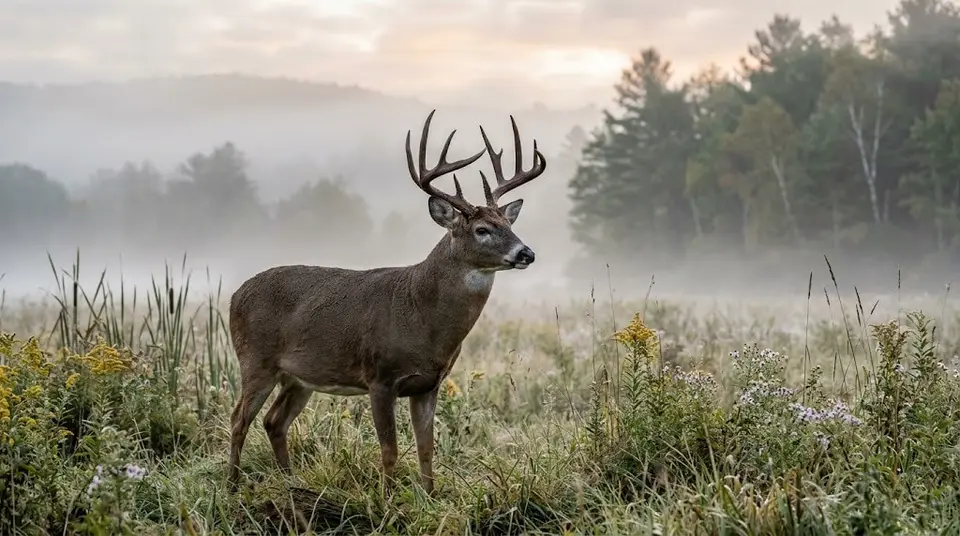
How to Field Judge Game
Field judging: identifying a live animal's species, sex, legality and maturity before you shoot. Adult deer vs. fawns, antlers vs. horns and why mistakes are illegal kills, following the Alaska Bowhunter Safety Course and the National Deer Association.
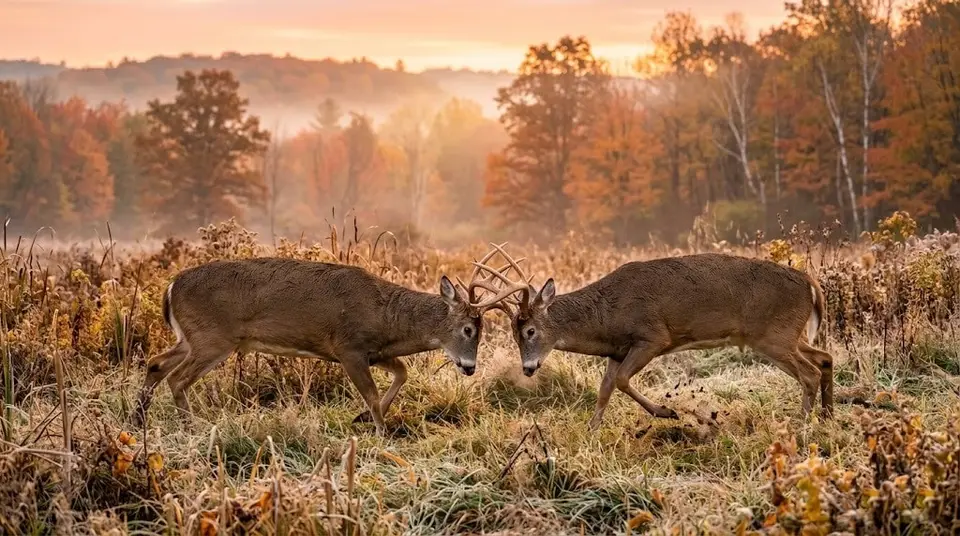
How to Hunt the Rut
What the whitetail rut is and what triggers it, rubs and scrapes as sign-posts, how calling changes from pre-rut to peak to post-rut, where to set up, and when to be at the ready, following Wikipedia, Outdoor Life's whitetail writers and the Alaska Bowhunter Safety Course, with state timing on our rut map.
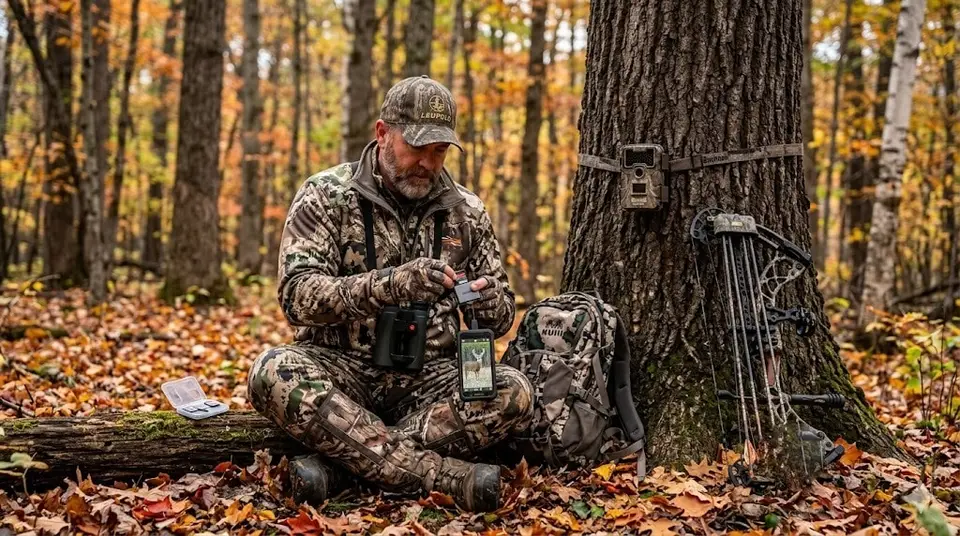
How to Scout for Hunting Spots
Scouting from maps to boots: topographic maps, finding trails, beds and water by slow travel, glassing at dawn and dusk, when to scout, landowner permission on private ground, and how to avoid spooking the game you scout, following the Alaska Bowhunter Safety Course and the Missouri Department of Conservation.
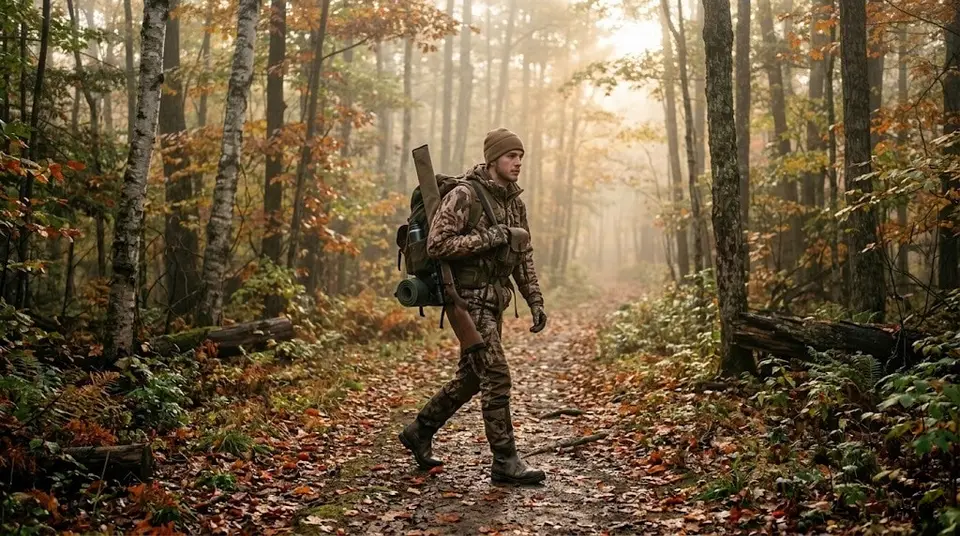
Hunting for Beginners
Licenses to figure out, gear to buy, seasons to learn, skills to build: the first steps into hunting for anyone who didn't grow up in a hunting family.
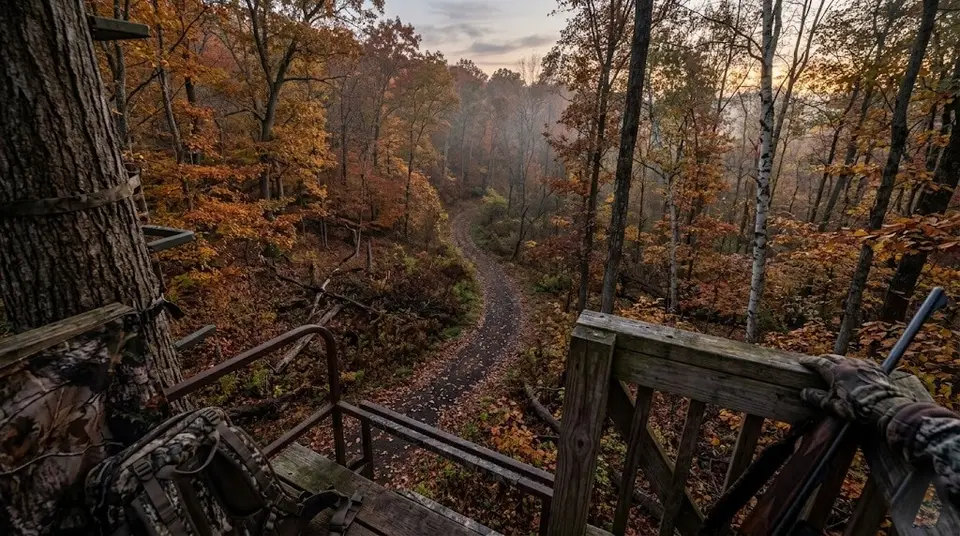
Hunting from a Tree Stand
Hunting from a tree stand is one of the most effective ways to pursue whitetail deer and other big game.
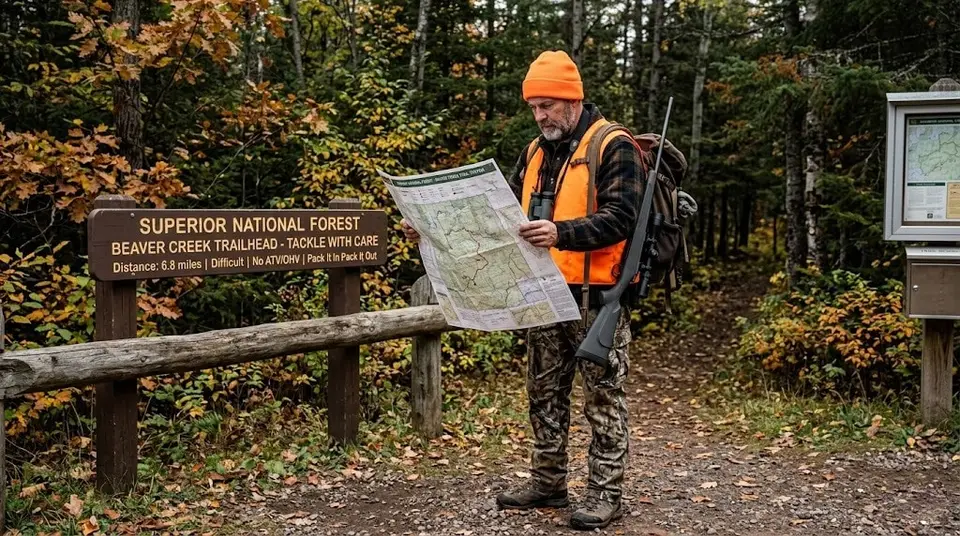
Getting Your Hunting License
To hunt legally in the United States you need a license and, in nearly every state, a hunter education course. How the system works and what steps to take.
Hunting Safety: The Rules That Matter
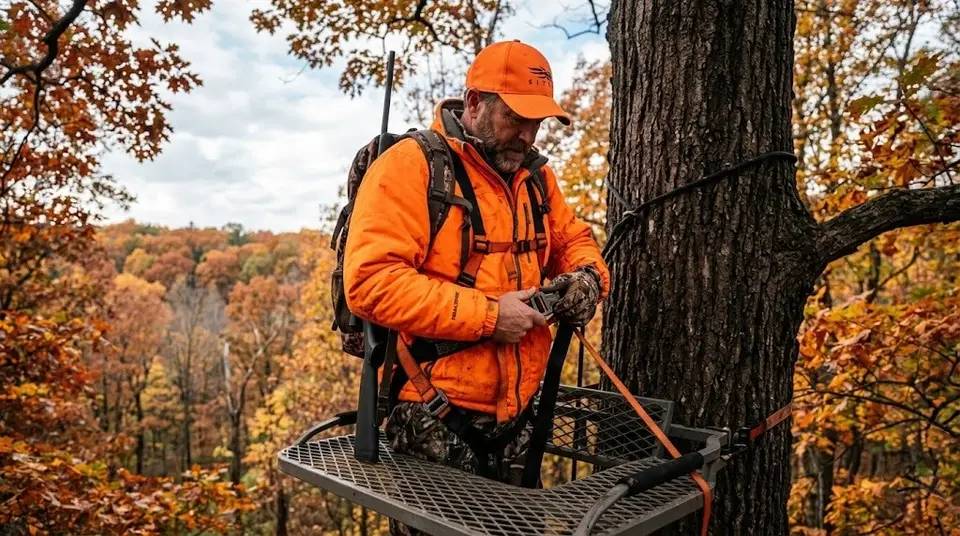
Hunting can be a safe activity, but that safety isn't an accident. The four firearm rules, identifying your target, tree stand safety, blaze orange and hidden hazards.
Understanding Hunting Seasons and Tags
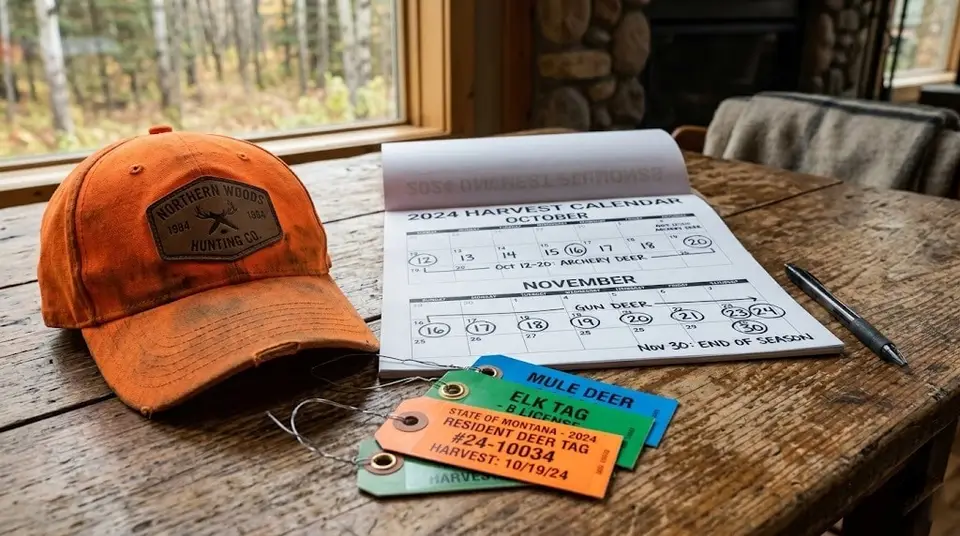
Why seasons and bag limits exist, which rules to look up (seasons, methods, licences, tags, stamps, transport), the federal duck stamp, and planning a hunting year, following the Alaska Bowhunter Safety Course and the US Fish and Wildlife Service.
Public Land Hunting: A Beginner's Guide
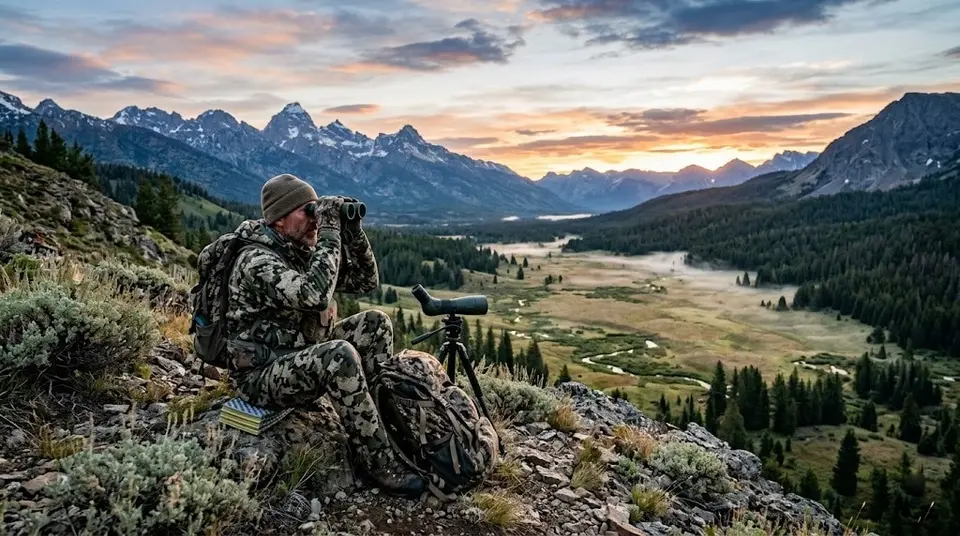
You don't need to own a ranch or know a friendly farmer to be a hunter in America.
Reading Animal Sign
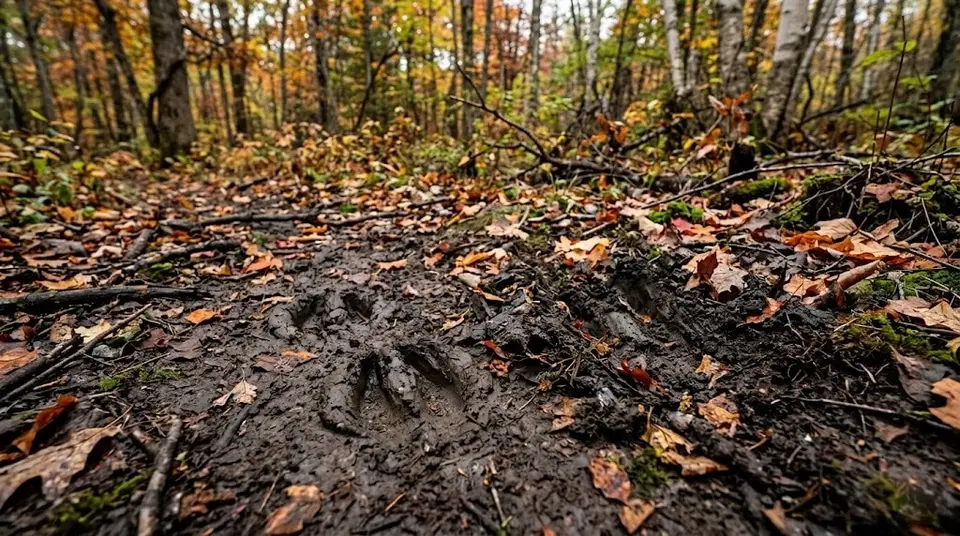
What tracks, beds, rubs, scrapes, browse and sounds tell you, how to judge freshness, how track spacing shows speed, and how to piece sign together into travel routes between bedding and feeding areas, following the Alaska Bowhunter Safety Course and the Mule Deer Foundation.
Spot-and-Stalk Hunting Explained
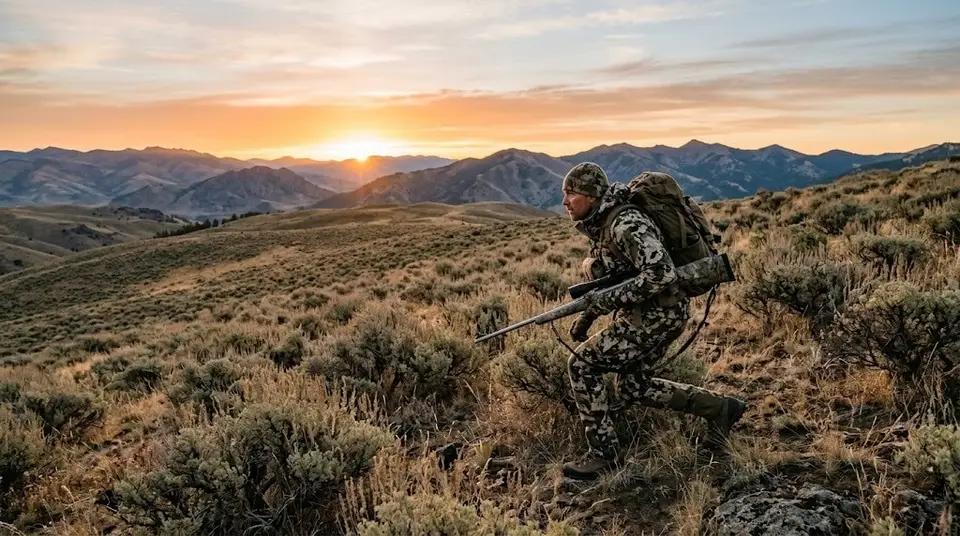
Spot-and-stalk means glassing for game from a vantage point, then closing the distance unseen. How the Alaska Bowhunter Safety Course describes glassing and stalking, the diagonal approach, wind, timing the final move, distance judging, and safety.
Still Hunting: Moving Slow
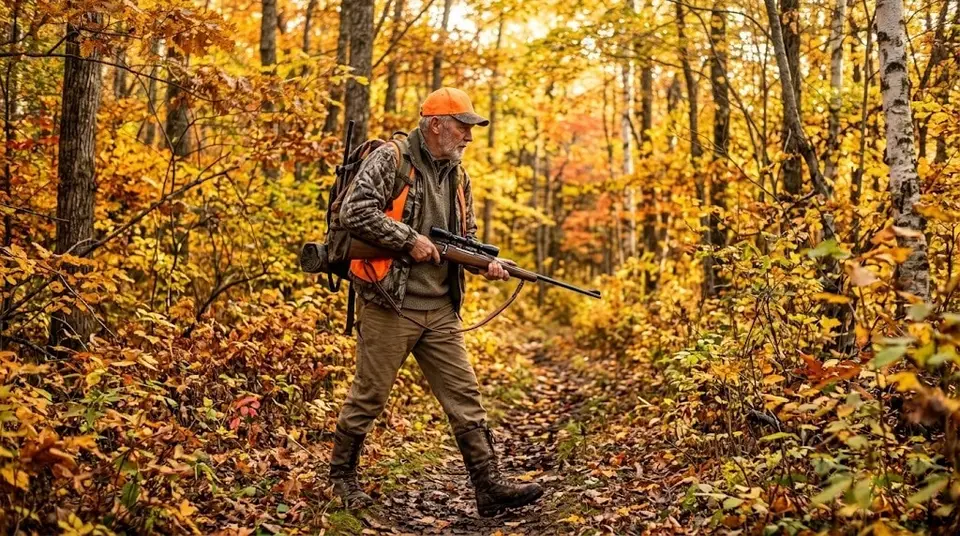
Still hunting means moving slowly and deliberately to spot game before it spots you: a few steps, then a long, motionless scan, from the downwind side. How to do it, quiet clothing and boots, the trade-offs, and the safety rules, following the Alaska Bowhunter Safety Course.
Thermal & Night Vision for Predators
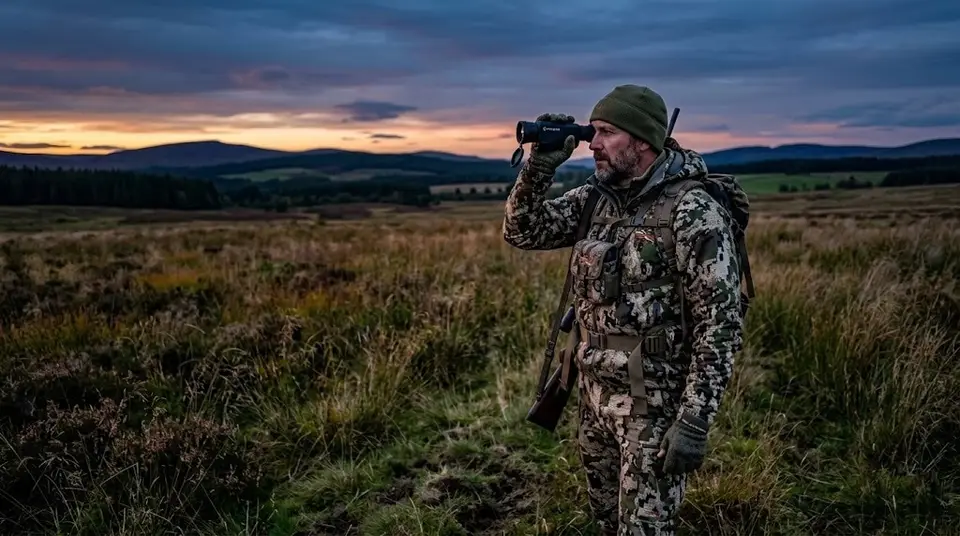
Check your state's law on night hunting, thermal and night-vision optics and infrared lights first. Then how night vision and thermal imaging differ, scanners vs. weapon sights, specs and safe identification, following Wikipedia and the Alaska Bowhunter Safety Course.
Tree Stand vs Ground Blind
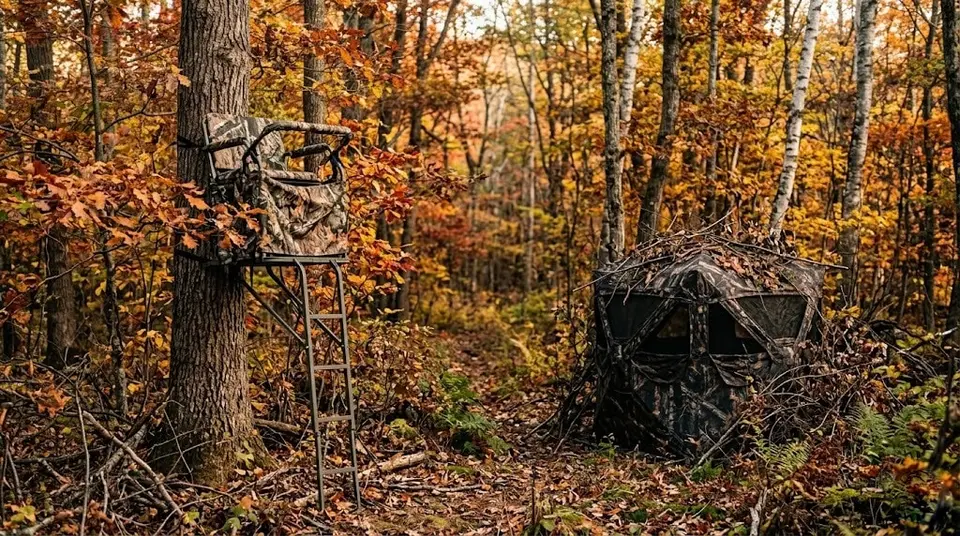
When hunters set up to ambush game, they usually have two main options: get up in a tree, or stay on the ground in a concealed blind. Both work.
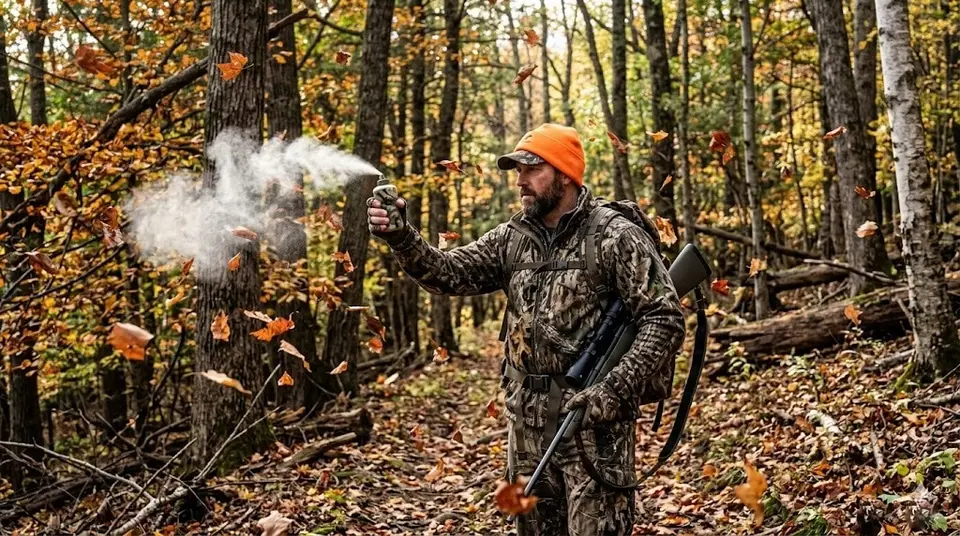
Wind and Scent Control for Hunters
Which game can smell you, why setting up downwind or crosswind matters most, practical ways to cut human scent (rubber boots, stored clothing, cover scents), using attractants without leading deer to you, what research says about scent-adsorbing clothing, and why not to use ozone generators in enclosed spaces.